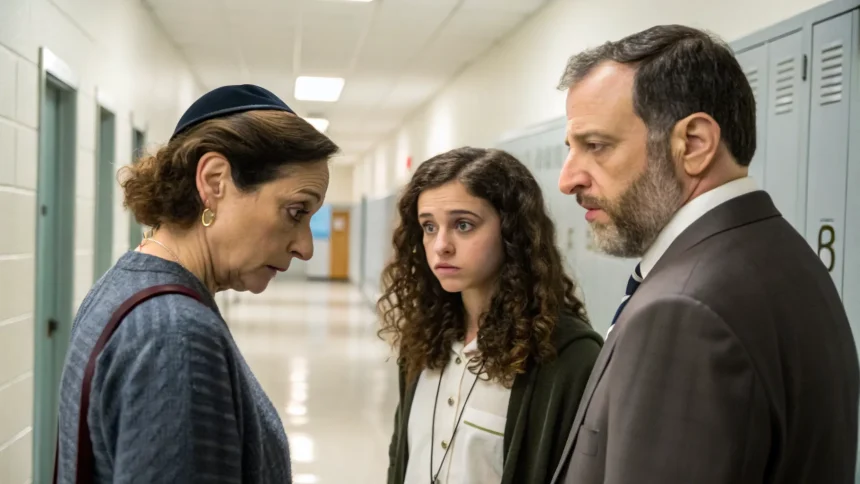
Jewish parents across California say school officials have failed to protect their children, warning that a pattern of neglect has spread across campuses in recent months. They describe rising hostility, uneven enforcement of rules, and weak oversight that leaves students vulnerable. The concerns center on safety, discrimination, and how schools respond when complaints arise.
Parents argue that district leaders and state officials are not acting fast enough to address incidents that make Jewish students feel targeted. They point to classroom debates, school events, and hallway interactions that they say cross the line. Many want stronger policies, clearer training for staff, and more consistent discipline when rules are broken.
“Officials in California have turned a blind eye to state-wide rot that has taken root in schools,” one parent said.
Rising Tensions and a Broader Trend
The concerns come as reports of antisemitic incidents have increased nationwide. The Anti-Defamation League has described a sharp rise since late 2023, with California among states reporting high totals. These include harassment, vandalism, and heated confrontations tied to global events and domestic debates.
Educators say schools are struggling to manage new pressures on campus speech and safety while keeping classrooms open to tough conversations. Many districts have policies that ban hate symbols, protect religious expression, and punish harassment. But parents say those policies often live on paper and break down in practice.
Parents Describe Uneven Enforcement
Families report that responses to incidents vary from school to school. Some principals act quickly, parents say, while others wait for formal complaints or call incidents “misunderstandings.” Several parents describe students skipping classes or removing symbols of faith to avoid attention.
- Students report slurs or hostile comments during lunch and in hallways.
- Classroom discussions sometimes turn personal, leaving some students isolated.
- Parents say discipline is inconsistent and investigations are slow.
“We are not asking for special treatment,” another parent said in a community forum, according to attendees. “We want the rules to apply the same way, every time.”
What Schools Say They Are Doing
School officials often respond that they condemn hate and are working to improve. Districts point to bias reporting tools, staff training, and student assemblies. Some have updated codes of conduct to address religious harassment and added clearer steps for investigations.
State and federal laws require schools to provide a safe learning environment and to respond to harassment based on religion. Civil rights guidance urges prompt, thorough reviews of complaints and action to prevent repeat incidents. Advocates for students say these steps are essential, but parents argue compliance is uneven.
Legal, Policy, and Training Gaps
Education law experts note that schools must balance free speech with protection from harassment. That can be complex when political slogans or controversial symbols appear on campus. Training helps staff draw lines between protected expression and conduct that targets a student for their identity.
Policy groups urge districts to standardize procedures across campuses, collect reliable data on incidents, and communicate results to families. They also suggest peer-to-peer programs and restorative practices when appropriate, alongside firm consequences for repeat or severe offenses.
Data, Trust, and Transparency
Many parents say they want data on incidents and outcomes to be public. They argue that transparency builds trust and deters future misconduct. Districts caution that privacy laws limit what can be shared about student discipline, but they agree that aggregated reporting is possible.
Experts advise schools to publish regular summaries, track response times, and measure whether interventions reduce repeat incidents. Without clear metrics, parents fear the problem will continue and students will self-censor or disengage.
What to Watch Next
Community groups are calling for independent audits, broader staff training, and uniform enforcement. Parent coalitions plan to press school boards for timelines and public updates. Civil rights organizations may file complaints if they see patterns of noncompliance.
The state could issue new guidance on religious harassment or expand funding for training and data systems. Districts that move quickly may rebuild confidence. Those that delay risk deeper divisions.
Parents’ warnings signal a demand for urgent, consistent action. Schools will be judged by how they protect students and uphold their own rules. Clear policies, timely responses, and open reporting may decide whether families feel heard—or keep sounding the alarm about what they call a state-wide rot in school culture.