In a rare bipartisan move, Sens. Elizabeth Warren of Massachusetts and Josh Hawley of Missouri pressed the U.S. Energy Information Administration on Thursday to require annual electricity reporting from data centers. The request aims to shed light on how much power the fast-growing sector draws, at a time when artificial intelligence and cloud services are expanding across the country.
The lawmakers asked the agency to use its authority to collect consistent, facility-level data nationwide. They argued that public officials and consumers need clear facts to plan for grid investments, manage rates, and weigh climate impacts.
The senators urged the Energy Information Administration to “mandate annual electricity disclosure for data centers.”
Why Data Center Power Use Is Under Scrutiny
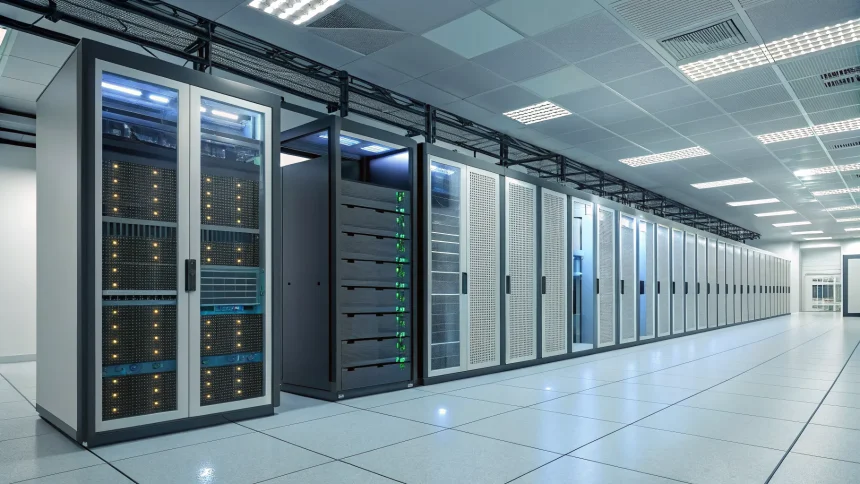
Data centers run servers around the clock and require heavy cooling. Their combined demand is large and growing as companies deploy AI models and add storage. The International Energy Agency estimates global data center electricity use could rise from roughly 460 terawatt-hours in 2022 to between 620 and 1,050 terawatt-hours by 2026.
U.S. hubs like Northern Virginia, Central Ohio, and parts of Texas have seen rapid build-outs. Utilities in these regions have revised load forecasts upward, citing data center clusters. Local officials worry about grid strain and the cost of new transmission, while residents fear higher rates and longer construction timelines.
What the Senators Want the EIA to Do
The Energy Information Administration already conducts energy surveys across sectors. The senators want the agency to add or adapt instruments that capture data center electricity use on a regular cadence and in a standardized format.
- Require annual reporting by operators of large data centers.
- Publish aggregated results to protect sensitive business information.
- Track regional trends to inform grid planning and reliability.
Supporters say consistent federal data would replace patchwork estimates. States and utilities could plan substations, transmission, and generation with better precision, reducing the risk of shortages or overbuilding.
Industry Concerns and Privacy Questions
Industry groups have warned that new reporting rules could impose costs and expose proprietary operations. They argue operators already share some information with utilities and local authorities. Firms also note they sign contracts that include confidentiality clauses tied to energy use and infrastructure plans.
Policymakers counter that the EIA can aggregate data to protect individual companies. They say the public interest is served by transparent, comparable statistics on a sector that can shape regional power markets.
Climate, Grid Reliability, and Consumer Bills
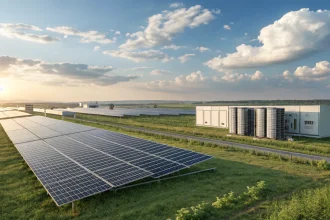
Rising electricity demand affects climate goals and reliability. More data centers can increase peak loads, which may require gas plants for backup if renewables and storage lag. On the other hand, large operators have bought wind and solar power through long-term contracts, helping finance new clean projects.
Without accurate demand data, regulators struggle to assess the net effect. Consumer advocates worry that grid upgrades may flow into rate bases with limited scrutiny. Clear reporting could help target upgrades where they are most needed and track the impact of corporate clean power deals.
What Could Change If Reporting Is Mandated
A national dataset would allow year-over-year comparisons by state and region. It could guide site selection for new data centers, steer incentives, and set expectations for water and land use tied to cooling systems and substations.
Utilities could refine load forecasts. Planners could prioritize transmission corridors serving clusters with documented demand. Investors would gain a better read on where grid constraints might delay projects.
The Road Ahead
The EIA can move through a rulemaking-like process for new surveys, which typically involves public comment and time to set definitions. Key questions include the threshold for which facilities must report, how to treat colocation sites, and the level of detail made public.
The senators’ request adds political momentum to a data push already underway among grid planners. If the agency proceeds, the first results could arrive after a full reporting cycle, giving officials a clearer baseline for 2026 and beyond.
The latest appeal signals growing urgency around the power needs of AI and cloud computing. Clear, annual reporting would not settle debates over siting, rates, or emissions, but it would ground them in shared facts. Watch for the EIA’s response, industry feedback on confidentiality, and how utilities adjust long-term plans as visibility improves.