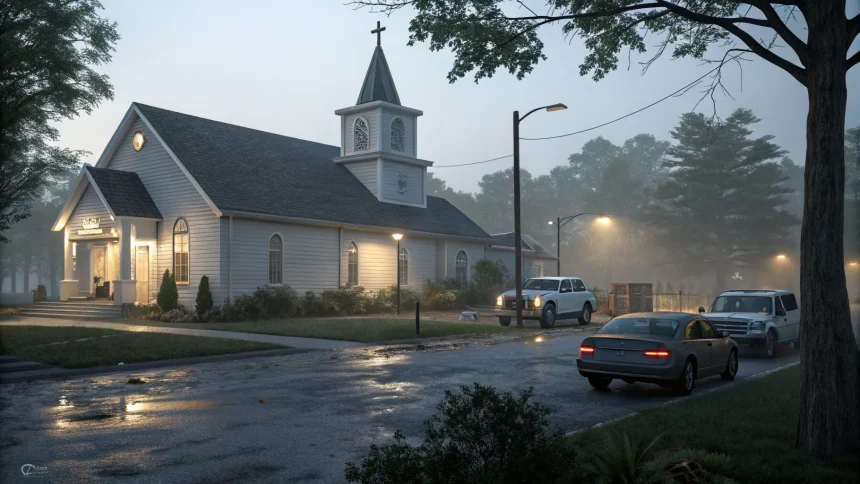
Two people were killed and six others wounded Wednesday night in a shooting outside a Salt Lake City church, where mourners had gathered for a memorial service, according to police. The attack unfolded as people inside honored a loved one, turning a moment of grief into a scene of chaos and fear. Investigators said they were working to identify those responsible and to determine a motive.
What Police Say Happened
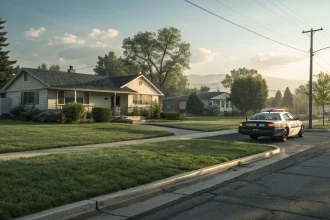
“Two people were killed and six others injured in a shooting outside a Salt Lake City church Wednesday night while mourners were attending a memorial service inside,” police said.
Authorities did not immediately release the names of the victims. Details about a suspect, possible arrests, or the type of weapon used were not available as of early Thursday. Officers secured the area and interviewed witnesses late into the night, while the church remained on lockdown.
Community on Edge
The shooting struck at a place many consider a refuge. Faith leaders in the city have long described their buildings as open doors for neighbors in need. A memorial service is one of the most vulnerable gatherings a community can hold, drawing family, friends, and children into the same space.
Residents near the church reported sirens and a heavy police presence as first responders treated the wounded. Hospitals prepared to receive multiple patients at once, a now-familiar drill in cities across the country. Local counselors often mobilize in the aftermath of such violence, offering support to families and witnesses coping with shock and trauma.
Why Houses of Worship Are at Risk
While shootings at religious sites are relatively rare, they carry high emotional impact. Security plans at churches, synagogues, mosques, and temples have grown more common in recent years, including volunteer teams, camera upgrades, and coordination with police for large events. Memorials and funerals, which can draw people connected to disputes, are often flagged as higher-risk gatherings.
- Large, predictable crowds can make these events targets.
- Entrances and exits may be crowded, complicating response.
- Emotions are high, which can fuel conflicts that spill outside.
How This Fits a National Pattern
Incidents with four or more people shot are often categorized as mass shootings by research groups such as the Gun Violence Archive. By that measure, the Salt Lake City attack meets the threshold. The United States has recorded hundreds of such incidents each year since 2020, with totals commonly above 600 annually. The precise number shifts year to year, but the frequency has kept emergency rooms, schools, and faith communities on alert.
Experts say access to firearms, unresolved disputes, and lapses in conflict mediation can combine to deadly effect. Public spaces—parks, parking lots, and sidewalks—are frequent settings, as they were in this case outside the church.
What Investigators Will Examine
Detectives will review surveillance footage from the church and nearby buildings, map shell casings, and cross-check ballistics with state and federal databases. Witness timelines can reveal whether the shooting stemmed from a dispute among attendees or involved outside actors. Victim interviews, once medically feasible, will be key to identifying possible motives.
Police may also analyze social media posts and phone records tied to the memorial service. If a suspect vehicle was involved, traffic cameras could help trace its route.
Safety Steps for Community Events
Security professionals advise simple measures that do not turn a service into a fortress. For large memorials, they suggest a visible greeter team, clear entry and exit routes, and quick contact with local police about event timing. Training staff to spot escalating arguments and to call for help early can make a difference.
The Salt Lake City shooting leaves families grieving and a neighborhood rattled. As investigators search for answers, the case adds to a nationwide debate over safety at public gatherings and how communities can protect moments meant for healing. The next steps will hinge on what police learn in the coming days—who fired, why it happened, and how to prevent the next tragedy. Until then, the focus remains on the victims, the wounded, and the people who came to mourn but left with fresh scars.