A leading consultancy says industrial value is moving quickly toward software, data, and artificial intelligence. The signal comes as manufacturers face margin pressure, rising costs, and complex supply chains worldwide. The message arrives at a time when many plants are modernizing systems and rethinking where profits will come from.
The claim highlights a race among industrial firms to extract more value from digital tools. It also raises questions about jobs, capital spending, and how fast companies can adapt. The topic matters for sectors from automotive to energy to heavy equipment.
Background and Context
For years, factories invested in automation, sensors, and connected machines. Those investments produced large volumes of operational data. Many companies used the data for basic dashboards and control. Now, attention is shifting to software layers that predict, optimize, and automate decisions.
Service revenues have been growing faster than hardware in several industrial segments. Software subscriptions and outcome-based contracts are gaining traction. This has pushed firms to build digital platforms and data-sharing models with customers and suppliers.
The consultancy frames the transition simply:
“Consultancy flags rapid shift toward software, data and AI-driven industrial value creation.”
What It Means for Industry
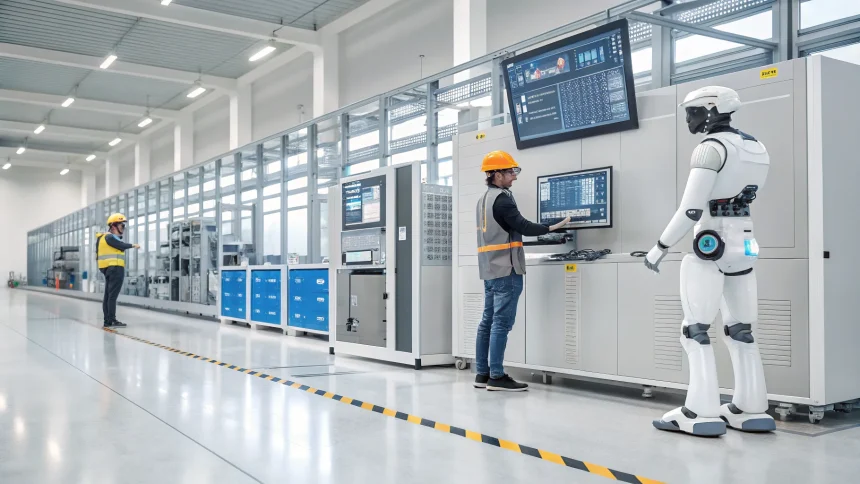
Software now shapes how equipment is designed, sold, and maintained. AI models can forecast failures, fine-tune energy use, and guide production schedules. Data platforms help integrate suppliers and logistics, cutting waste and downtime. The result can be higher uptime and new revenue streams.
Some executives see a path to bundling machines with analytics and support. Others plan to sell performance outcomes rather than parts. The shift also changes talent needs. Plant managers now work with data engineers and product managers more often.
Competing Views and Open Questions
Supporters argue that software lets firms scale expertise across sites. They say data-driven operations improve safety, quality, and cost control. They also point to faster product updates through digital twins and simulation.
Skeptics warn of hype cycles and integration headaches. Legacy equipment can be hard to connect. Data quality and cybersecurity remain persistent issues. Some worry that returns may lag if projects lack clear goals or user adoption.
Labor groups ask how AI will affect skilled trades. Many want stronger training and clear rules for data use on the shop floor. Investors, meanwhile, are pressing management teams for evidence of recurring revenue and disciplined spending.
Challenges and Risks
Companies face several hurdles. Migrating from one-time sales to subscriptions can strain cash flow. Pricing software and services is not easy for hardware-first firms. Partnerships with cloud and analytics vendors introduce new dependencies.
Cyber risk grows as more assets connect. Regulatory pressure on data governance is rising in many markets. Firms must protect sensitive process data while enabling collaboration.
What Companies Can Do Now
Executives are focusing on practical steps that tie technology to results. Early wins can fund broader change and build trust among frontline teams.
- Target high-value use cases, such as predictive maintenance or energy optimization.
- Clean and standardize operational data before scaling AI pilots.
- Align incentives for sales, service, and product teams around outcomes.
- Invest in worker training and clear change management plans.
Signals to Watch
Analysts are tracking how often industrial firms report software and services as distinct lines. They also watch attach rates for digital offerings on new equipment. Another marker is the growth of ecosystems where multiple suppliers share data standards.
Mergers and partnerships may accelerate as firms seek missing software or AI skills. Talent moves, such as hiring chief data officers with plant experience, are another clue.
Outlook
The consultancy’s warning reflects a broader shift in how factories create value. Software, data, and AI are moving from support tools to core profit drivers. Progress will vary by sector and region, shaped by regulation, energy costs, and supply chain complexity.
The next phase will test which firms can turn pilots into scaled products. It will also test whether workers are given the skills and voice to make the tools work. Readers should watch earnings disclosures, customer adoption, and measurable operational gains in the year ahead.
If companies link digital projects to clear business goals, results could build quickly. If not, spending may rise without impact. The stakes are high, and the clock is ticking.