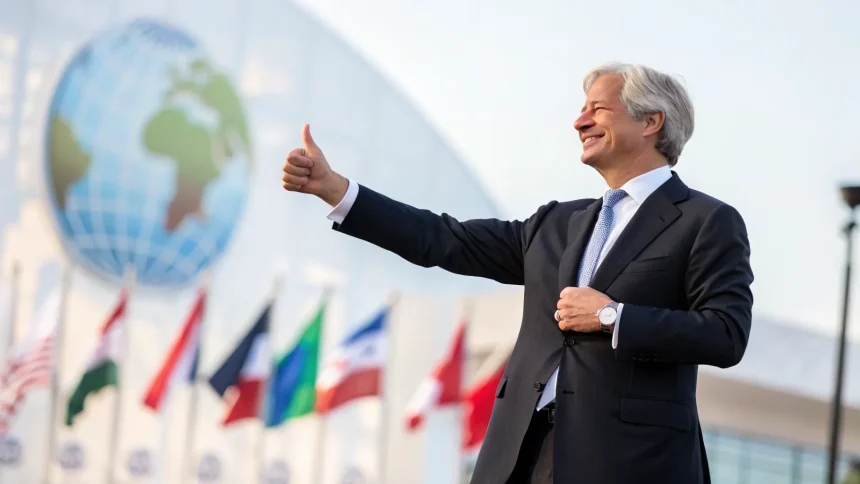
JPMorgan Chase CEO Jamie Dimon expressed optimism about the path to Middle East peace, offering a rare upbeat signal from a top U.S. banker weeks into a war involving Iran. His comments arrive as investors assess geopolitical risk, energy security, and the durability of global growth. Markets have been on alert, and any hint of stabilization carries weight for policy makers, companies, and households.
JPMorgan Chase CEO Jamie Dimon issued an optimistic viewpoint on Middle East peace, weeks into the war with Iran.
Why Dimon’s View Matters
Dimon is one of the most closely watched corporate leaders on geopolitics and the economy. Statements from banking chiefs can influence sentiment because large banks sit at the center of credit, trade, and market plumbing. A more hopeful outlook on de-escalation can ease fears about financing conditions and supply chain strains.
Global lenders have exposure across energy, shipping, and trade finance. Prolonged conflict can disrupt transport routes, raise insurance costs, and affect borrowing needs. A more peaceful trajectory, if it emerges, would help calm oil markets and steady shipping schedules in key waterways.
Signals Investors Are Watching
Even cautious relief can shape decisions in boardrooms and on trading floors. Investors are tracking:
- Energy volatility: Oil price swings filter into fuel costs, inflation, and central bank paths.
- Shipping and insurance: Rerouting and risk premiums can lift prices on goods.
- Capital markets: A safer outlook can reopen issuance windows for corporate debt and equity.
- Safe-haven flows: Demand for U.S. Treasuries and gold tends to move with conflict headlines.
A constructive view from a major bank leader can steady nerves, even if hard news on cease-fires or talks is limited.
Historical Context and Paths to De-Escalation
The region has seen breakthroughs and setbacks. The 2020 Abraham Accords showed that agreements once thought unlikely can advance under pressure and diplomatic effort. At other times, flashpoints have widened quickly, affecting energy markets and trade.
Diplomats often work on parallel tracks: reducing immediate violence, opening communication channels, and addressing longer-term security concerns. Business leaders sometimes lend support by encouraging humanitarian access and signaling that calmer conditions unlock investment and jobs.
Supporters and Skeptics
Supporters of Dimon’s tone say optimism can become a practical tool. It encourages stakeholders to prepare for normalization rather than a prolonged shock. Bankers can mobilize financing for reconstruction, infrastructure, and small businesses when conditions allow.
Critics caution that hope without concrete steps may invite complacency. They argue that market participants should plan for supply disruptions, sanctions risk, and cyber threats tied to conflict. They also warn that any miscalculation can trigger a faster selloff than in past episodes.
Potential Economic Impact
If tensions ease, energy prices could stabilize, reducing inflation pressure and giving central banks more room to hold or cut rates. That would support consumer spending and corporate investment. Trade routes could normalize, lowering shipping costs and delivery times.
If escalation persists, higher energy and insurance costs could pass through to households. Financing conditions could tighten, and companies with thin margins could delay hiring or capital projects. Banks would then need to keep higher reserves and monitor credit quality more closely.
What Comes Next
Diplomatic signals, humanitarian corridors, and verified pauses in fighting are key markers. Businesses will be looking for sustained improvements that allow logistics, payments, and insurance to return to standard terms. Investors will also watch earnings guidance from banks and energy firms for clues about risk appetite.
Dimon’s hopeful stance does not resolve the conflict, but it frames a possible turn. If channels for talks expand and regional partners coordinate, the path to a durable calm becomes clearer. If not, caution will dominate corporate plans.
For now, the message from the country’s largest bank chief is simple: plan for peace while preparing for setbacks. The next few weeks—marked by diplomatic moves, energy dynamics, and company guidance—will show whether that optimism finds footing or meets new tests.