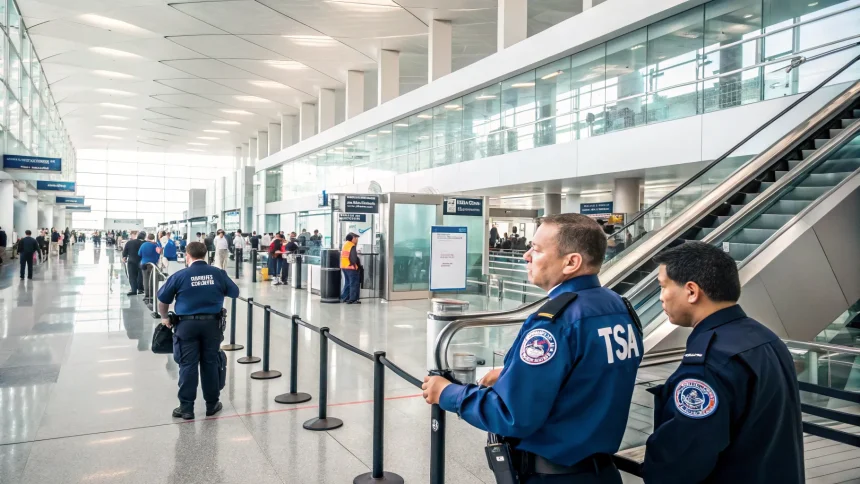
In a move that surprised many in Washington and at major hubs, President Donald Trump on Monday directed Immigration and Customs Enforcement agents to assist with long security lines at airports across the country. The decision, described as a rapid response to bottlenecks, shifts immigration officers into a role typically handled by the Transportation Security Administration and local airport staff.
The deployment, framed as a bid to speed passenger screening, raises fresh questions about agency roles and the politics of immigration enforcement. It follows recurring periods of congestion at large airports and arrives at a time when debates over border policy remain heated.
What Happened and Why It Matters
Air travelers have faced periodic delays during peak travel windows and staffing shortages. On Monday, the administration tapped ICE, a Department of Homeland Security agency best known for immigration enforcement, to help airports move people through lines more quickly.
“[He] sent agents to airports across the country to help deal with long security lines.”
Such cross-agency support is uncommon. TSA is responsible for passenger screening, while ICE focuses on immigration violations, removals, and investigations. Bringing ICE into the airport flow blurs those lines and invites scrutiny from civil liberties advocates and travel industry groups.
Background: A History of Airport Strain
Airport security has struggled at times with staffing, training, and surges in demand. During peak seasons, lines can stretch for hours. DHS has, on occasion, shifted personnel or called in assistance from related offices to keep queues moving. But using ICE officers in public-facing airport operations goes a step further than past adjustments.
ICE operates under separate mandates and training protocols from TSA. While both agencies sit under DHS, their day-to-day missions differ. That difference fuels concerns about whether immigration enforcement tools, such as detainers or database checks, could surface in areas meant only for safety screening.
Reactions and Legal Questions
Supporters of the move argue that moving personnel where they are needed is a practical fix. They say faster lines reduce missed flights and cut down on crowding in public areas. Critics counter that placing immigration officers in security lanes can chill travel for non-citizens and mixed-status families, and risks mission creep.
Legal analysts note that DHS has authority to reassign personnel for operational needs, but they say clear limits and guidance are essential. Without them, travelers may not know what to expect, and officers may lack role-specific training for screening areas.
What Travelers Might See
- More uniformed officers near checkpoints, not all from TSA.
- Reassignment of officers to crowd management rather than document checks.
- Potentially shorter lines during peak periods if staffing holds.
- Confusion over which officer does what if roles are not clearly marked.
Industry and Community Impact
Airline operations depend on predictable security wait times. If added personnel reduce delays, carriers could see fewer missed connections and a smoother boarding process. Airport authorities, however, will need to coordinate briefings and signage so travelers understand that screening standards have not changed.
Community advocates warn that some travelers may avoid flying if they fear immigration encounters at security. They call for written assurances that ICE officers assigned to queues are not conducting immigration checks. Unions representing federal officers have also pressed for proper training and clear chains of command to avoid liability and confusion.
What to Watch Next
Key questions remain. How long will this surge last? Are ICE officers performing screening-adjacent tasks like line management, or interacting with IDs and boarding passes? Will DHS publish guidance that sets boundaries and protects traveler rights while improving throughput?
Airports and airlines will look for data on wait times over the coming weeks. If lines shorten without new complaints, the move could become a model for peak travel relief. If confusion grows, expect calls for DHS to return to traditional staffing or to invest more in TSA hiring and technology.
For now, the headline is speed versus scope. The push to shorten lines may bring short-term relief. The larger test is whether officials can do it without expanding immigration enforcement into places where travelers expect only safety screening. Clear rules, visible roles, and public reporting will determine whether this quick fix holds up under real-world pressure.