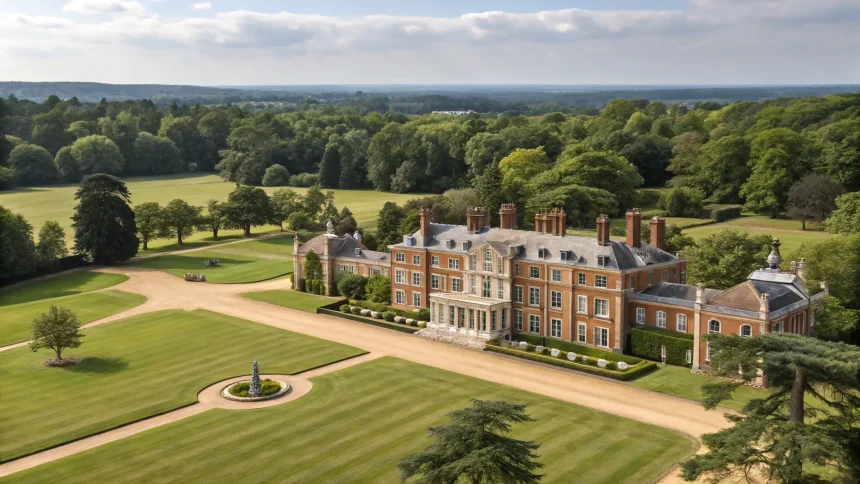
The Duke and Duchess of Edinburgh listed office space within Bagshot Park for £10,834 a month, stirring fresh debate over how the Royal Family uses its estates. The Surrey property, a long-held royal residence, is now part of a commercial offer that could bring in £130,008 a year. The move raises questions about transparency, ethics, and the line between public heritage and private income.
“The Duke and Duchess of Edinburgh had advertised the East Wing stables at Bagshot Park, in Surrey, as an office space for £10,834 per month, pocketing £130,008 per year.”
What Is Bagshot Park and Who Lives There
Bagshot Park is the home of Prince Edward and Sophie, the Duke and Duchess of Edinburgh. It sits near Windsor and has long ties to the Royal Family. The property is known for its size and upkeep needs.
The estate is not a typical family home. It includes several buildings and grounds that require steady funding for maintenance. That pressure often leads residents to seek new income sources.
Inside the Listing
The advertised space is the East Wing stables converted for modern office use. The monthly price of £10,834 would total £130,008 a year if fully let. That figure stands out at a time when companies are rethinking office costs.
Details common to such listings include flexible layouts, privacy, and access to transport links. The draw is the setting: a historic site with a quiet address. The pitch suggests an upmarket client, such as a boutique firm or a family office.
- Monthly rent: £10,834
- Annual income if let: £130,008
- Location: East Wing stables, Bagshot Park, Surrey
Why This Sparks Debate
The listing lands in a moment of scrutiny for royal finances. The public often asks who owns what, who pays for upkeep, and who benefits from private use. Bagshot Park has been linked to long-term leasing arrangements. That can blur lines for those outside the system.
Critics argue that turning historic sites into commercial ventures risks public trust. Supporters say private income helps cover costs without dipping into public funds. Both points hold weight as inflation and energy bills press on big estates.
Experts Weigh Legal and Ethical Lines
Property lawyers say subletting or commercial use usually depends on lease terms. If allowed, the issue becomes less about legality and more about optics. The question is whether private income from royal residences feels fair to taxpayers.
Ethics groups push for simple, published rules. Clear terms would help the public see how income is raised and spent. That level of clarity could cool tempers and set a standard for other estates.
Market Context and Demand
Office demand has shifted since remote work took hold. Premium, small-footprint offices in standout settings still attract interest. The price suggests the target is high-income tenants who value privacy over city center buzz.
Comparable rural or semi-rural office suites near London can command steep rates if security, parking, and prestige are part of the package. The brand value of a royal address adds a lift that most properties cannot match.
What To Watch Next
The key questions now are simple. Will the space find a tenant at that price, and will the listing stand as a one-off or signal a wider trend? If it lets quickly, other royal or heritage sites might try similar routes.
Any official guidance on rules for commercial use would shape public response. Clear statements on where the money goes—maintenance, staff, or other costs—would help build trust.
The listing shows a Royal Household adapting to modern pressures while testing the limits of public patience. If handled with openness, it could be a practical fix for a costly estate. If handled poorly, it risks fresh criticism over private gain and public image. The next move—tenant secured, terms disclosed, and purpose explained—will tell readers how this story ends.