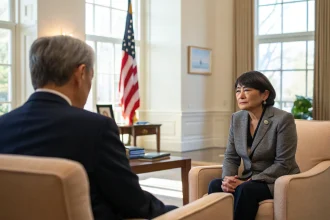
The governor’s office placed senior adviser Dana Williamson on leave after she disclosed she is under investigation, a swift move that aims to contain political fallout and protect the integrity of any inquiry. The governor is not accused of wrongdoing, according to a spokesperson for the office, who described the leave as immediate once Williamson came forward.
The decision, while procedural, arrives at a sensitive moment for public trust. It spotlights how officials handle potential conflicts and how quickly they act when scrutiny begins. With limited details made public, the case raises familiar questions about transparency, due process, and the pace of internal reviews in state government.
What the Governor’s Office Says
“A spokesperson for the governor, who is not accused of wrongdoing, said Dana Williamson was put on leave as soon as she said she was under investigation.”
The statement frames the leave as standard procedure, rather than a judgment on conduct. Placing a staff member on leave during an investigation is a common step in both public and private sectors, particularly when the role involves policy advice or public funds. It limits the risk of perceived influence over ongoing work and protects both the office and the employee.
The spokesperson did not specify the agency or subject of the inquiry. That lack of detail leaves open key questions about scope, timing, and potential outcomes.
Why Administrative Leave Is Used
Administrative leave does not imply guilt. It is often paid and temporary. It creates space for investigators to review records and interview witnesses without workplace pressure. In many states, internal ethics rules encourage leaders to separate an employee from sensitive duties once an inquiry starts to avoid any real or perceived conflict of interest.
Policy experts say early disclosure can help maintain public confidence, even when information is limited. At the same time, investigators typically restrict what can be shared to preserve the case. That tug-of-war between transparency and process is a hallmark of public-sector probes.
Political Stakes and Public Perception
Speed matters in politics. Acting within hours or days can reduce speculation and signal accountability. But fast action also invites questions about fairness if details are scarce. Supporters of the governor’s approach will argue the office responded responsibly, protecting state work from distraction. Critics may press for timelines, who is leading the inquiry, and what triggers were used to determine leave.
Past episodes in statehouses show that communication can shape outcomes as much as the findings. Offices that deliver clear updates—without compromising investigations—tend to keep confidence steadier. Those that go silent risk rumors filling the gap.
What We Know—and Don’t
- The governor is not accused of wrongdoing, per the spokesperson.
- Dana Williamson has been placed on leave following her disclosure of an investigation.
- No details on the investigating authority, timeline, or subject matter have been released.
Those facts set the bounds of public understanding for now. Without details, it is hard to judge the gravity or the likely duration of the process. Comparable cases in state government often run weeks to months, depending on the number of witnesses, document reviews, and whether the matter overlaps with criminal, civil, or ethics reviews.
How Investigations Typically Proceed
Investigations often start with a preliminary assessment to decide if a full probe is warranted. If escalated, investigators gather emails, contracts, and calendars. Interviews follow. Findings can lead to reinstatement, discipline, referral to other agencies, or policy changes. Throughout, confidentiality rules and personnel protections limit public disclosures.
Public agencies also must weigh sunshine laws, which can require the release of certain records once the investigation concludes or at set milestones. That balance is not simple, and missteps—too much secrecy or too much speculation—can erode trust.
What to Watch Next
Key markers will shape the story: confirmation of the investigating body, any stated timeline, and whether the leave is paid or shifts to another status. Any interim ethics guidance for staff could hint at the focus of the review. If the office releases periodic updates, it may steady public expectations and reduce guesswork.
For now, the early move to place Williamson on leave signals an effort to keep the governor’s agenda insulated from distraction while an outside process runs its course. The next update—who is leading the inquiry and what they are examining—will determine whether this remains a procedural footnote or grows into a larger test of internal controls and public confidence.
Bottom line: the governor’s office acted quickly after Williamson’s disclosure, and the governor is not implicated. The facts are sparse, the stakes are real, and the timeline is unknown. Watch for formal confirmation of the investigating authority and a clear pathway for public updates. Those steps will help decide whether the response is viewed as careful stewardship or guarded silence.