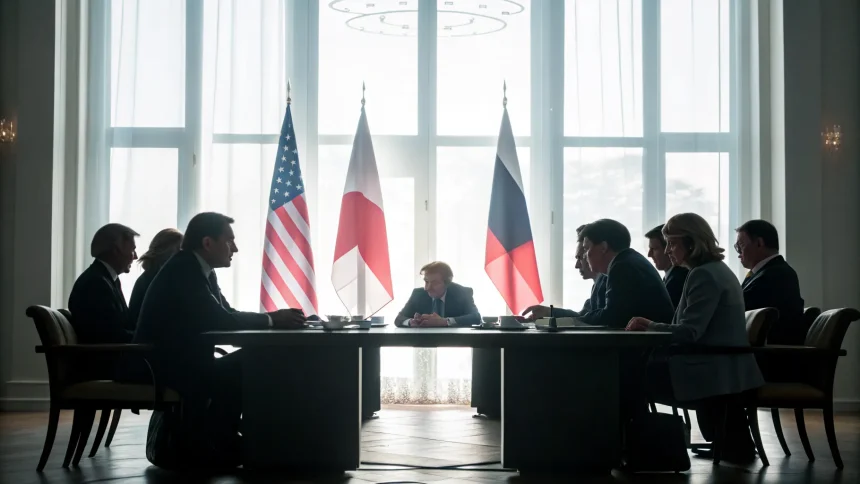
Strikes have followed a decision by the United States to halt ceasefire talks between Russia and Ukraine, citing the war with Iran. The shift raises concerns about a wider spillover and the strain on global diplomacy. Officials face pressure to manage parallel crises while keeping lines open to avoid further escalation.
The pause affects discussions that aimed to lower violence on the Russia-Ukraine front. It also signals that Washington’s attention is pulled by fighting involving Iran. The timing suggests a link between the strikes and the diplomatic freeze, though details remain limited.
What Is Known So Far
“The strikes comes after the United States paused ceasefire talks between Russia and Ukraine due to the war with Iran.”
The statement highlights a chain of events: first the diplomatic pause, then strikes. It does not identify who carried out the strikes or where they took place. It also leaves open whether the strikes are a direct response to the pause or part of a separate track of military actions.
Regional Fallout and Diplomatic Bandwidth
Managing one major conflict taxes diplomacy. Managing two at once can stall progress on both. Analysts say shifting focus to the war with Iran risks sidelining a hard-won process on Russia and Ukraine. It may also reduce coordination with allies who seek a unified approach.
Past crises show that when talks stop, violence often rises. Ceasefire discussions do not end wars on their own, but they can set guardrails. The loss of even informal channels can make miscalculation more likely.
Implications for the Russia-Ukraine Front
The pause could affect battlefield dynamics. If parties believe negotiations are off the table, they may try to gain ground before talks resume. That can drive new offensives and higher civilian risk.
European governments are likely to push for continued engagement. Many view sustained dialogue, even during fighting, as a way to limit spikes in attacks on energy and infrastructure. Ukraine’s leadership has said talks should not lock in territorial losses. Russia has signaled hard terms of its own. A paused process hardens these positions.
Risks of Escalation and Economic Shock
Linking crises across regions raises the chance of spillover. If the war with Iran intensifies, it could pull in proxy groups and strain supply routes. Global markets tend to react quickly to such signals.
- Energy prices often jump when conflict spreads in the Middle East.
- Insurance costs for shipping can surge, slowing trade.
- Food and fertilizer flows can suffer, hitting vulnerable countries first.
Any of these pressures would add to the costs already tied to the war in Ukraine. Governments with tight budgets could face new demands for relief at home.
Humanitarian and Political Pressure
A halt in talks often means fewer humanitarian pauses. Aid groups depend on temporary quiet to move supplies and evacuate the wounded. Without that, needs can spike fast.
Domestic politics also shape decisions. Leaders weigh calls for a firm response against demands to avoid a wider war. Some lawmakers will back a harder line tied to Iran. Others will urge a return to talks between Russia and Ukraine to ease risks in Europe.
What Could Happen Next
Three paths are in view. First, the strikes could be limited, and quiet contacts restart talks. Second, the strikes expand, making any deal harder. Third, a mixed path, where military moves continue while backchannel discussions resume.
Signals to watch include statements from Washington, Moscow, Kyiv, and Tehran. Moves by European and regional partners will also matter. Restoring even narrow talks on deconfliction could slow the slide.
The pause in ceasefire talks and the strikes that followed mark a tense moment. The risk is that separate wars start to feed each other. The clearest path to reduce danger is to restore communication and set limits on military action. Without that, the chance of a broader crisis grows, and the costs—human and economic—will climb. Observers will look for any sign that channels are reopening and that the strikes are not the start of a wider campaign.