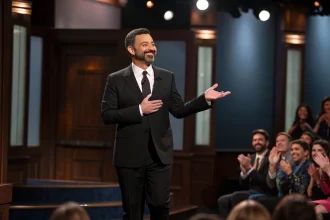
Appearing on “Morning Joe” after a Tuesday victory, Sherrill described her operation as a “juggernaut,” arguing that the campaign’s scale and discipline offer a guide for her party ahead of the next electoral tests. She outlined what worked, why it mattered, and how those tactics could be repeated elsewhere.
Her remarks came as party leaders and operatives look for models that can withstand tight races and voter fatigue. By presenting a clear case for her approach, she aimed to shape strategy beyond her own contest.
How Sherrill Framed the Win
Sherrill kept the message simple: size, speed, and staying power. She said her team built a program built to overwhelm doubt and outlast late-breaking attacks. The label she chose carried a blunt edge.
It was a “juggernaut” of a campaign.
Calling a campaign a juggernaut signals more than confidence. It hints at method: early groundwork, tested messages, and a field plan that did not wobble in the final stretch. Sherrill suggested those parts can be copied, even in tough districts.
Lessons She Says Her Party Can Use
Sherrill did not dwell on ideology. She focused on execution. Her account pointed to building trust with voters over time and avoiding last-minute reinventions. She urged her party to start earlier, talk to more people, and keep the tone focused on daily life.
- Start field outreach months before ads hit the air.
- Keep messages tied to local concerns and clear results.
- Treat volunteer networks like a core asset, not an afterthought.
- Stress consistency over viral moments.
She argued that campaigns often chase shiny objects while ignoring the unglamorous work of turnout. Her pitch: do the basics very well, then add polish.
Messaging Built for Persuasion and Turnout
According to Sherrill, the campaign put persuasion and turnout under one umbrella. That meant using the same plain language in TV spots, door knocks, and small events. Voters, she suggested, respond when the script does not change by platform.
She described conversations that focused on costs, safety, and community services. The goal was to make each promise easy to repeat. If a volunteer could explain it at a doorstep in under 20 seconds, it stayed. If not, it was cut.
Media Strategy and Momentum
Her appearance on a national morning show extended the victory message into a broader argument for strategy. The segment served as a case study in how to turn a single race into a party-wide talking point. She pitched process, not personality.
That approach fits with campaigns that try to bank early votes, blunt misinformation, and keep discipline in the final week. By her telling, momentum is less a mystery and more a math problem: consistent contact plus trust yields turnout.
Potential Impact on Upcoming Races
If other campaigns take her advice, expect earlier hiring of organizers, more town halls, and a tighter message loop between the candidate, digital content, and field staff. Sherrill’s emphasis on volunteer training also hints at more investment in local leaders who can speak for the campaign without a script.
Her comments also suggest a change in how success is measured. Rather than focus on national narratives, she urged attention to precinct-level targets and steady gains among irregular voters. She framed the win as proof that focus and repetition can still beat noise.
The challenge for her party will be translating her model into places with different demographics and media markets. What works in one district may need tweaks elsewhere. Even so, Sherrill’s core claim—that disciplined basics build big wins—gives strategists a clear starting point.
Sherrill’s morning-after message was crisp: run early, run everywhere, and run the same playbook every day. Her party will now test whether that formula travels. Watch for faster field launches, sharper scripts, and candidates sticking to a short list of promises. If those trends appear in the next wave of races, her “juggernaut” may roll on.