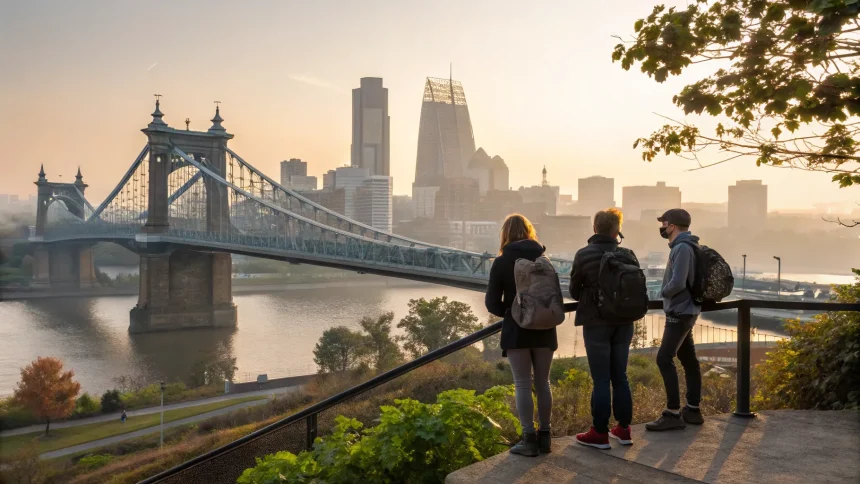
Travel watchers enter the week with three stories shaping plans and priorities: a landmark bridge’s 200th birthday, a fresh set of city rankings for 2026, and rising concerns about how a conflict involving Iran could affect routes and safety. Together, they frame where people might go, why they might choose certain places, and what to consider before booking.
“In our travel news roundup this week: the 200th anniversary of a revolutionary suspension bridge, Time Out’s best cities for 2026, plus what the Iran war means for your travel plans.”
A Bridge Turns 200: Engineering and Tourism
The bicentennial centers on the Menai Suspension Bridge in Wales, opened in 1826. Designed by Thomas Telford, it linked mainland Wales to Anglesey and cut hazardous ferry crossings. Its iron chains and stone towers helped prove that long-span suspension designs could carry real traffic, influencing bridge building for decades.
Anniversaries like this often boost heritage travel, drawing engineers, students, and families. In Wales, that can mean fuller hotels near Bangor and on Anglesey, more day-trippers from Liverpool and Manchester, and higher demand for guided walks and museum visits. Tour operators tend to package bridge history with coastal hikes and castle stops, which can extend stays by a night or two.
Local businesses usually see a lift from special events and school trips tied to STEM learning. Even if travelers do not cross the bridge, the story feeds interest in British industrial landmarks, a niche that also benefits sites such as Ironbridge Gorge and Forth Bridge.
Time Out’s Best Cities for 2026: Why Lists Matter
Time Out’s annual rankings shape where people book weekend breaks and longer trips. The lists often reflect surveys on food, nightlife, culture, and value, blended with expert input. Cities that climb tend to highlight new dining districts, safer streets, and better transport links. Those that fall can be facing housing pressure, transit delays, or cost spikes.
For travelers, these rankings offer a quick filter. A top slot can push a city onto shortlists and raise demand in peak months. That can nudge prices higher for hotels, concerts, and restaurants. On the other hand, mid-ranked or rising neighborhoods inside large cities might deliver better prices and shorter lines without sacrificing quality.
City halls and tourism boards often use the lists to justify investments. New bike lanes, pedestrian zones, and cultural venues can follow publicity. The cycle is clear: lists drive interest, interest brings visitors, visitors feed taxes and business cases for upgrades. Savvy travelers should track how a city responds, not just where it lands.
Conflict Involving Iran: What It Means For Travel
Armed conflict in or near Iran can touch travel well outside the region. Airlines may reroute to avoid airspace, adding time to flights between Europe and Asia. Longer routes can strain schedules and increase fuel costs, which can show up in fares. Cargo delays can also affect supply chains for hospitality and events.
Government advisories influence insurance coverage and refunds. Many standard policies exclude war risks. Some carriers waive change fees when advisories shift, but terms vary. Pilgrimage and business travel in neighboring countries may face cancellations even when airports remain open.
Travelers should watch for updates from their airline, local authorities, and foreign ministries. Flexibility helps. Nonstop flights may switch to one-stop connections. Train or ferry alternatives can keep itineraries intact for regional trips.
- Check official advisories before booking and again 72 hours before departure.
- Choose flexible fares or tickets with free changes when possible.
- Review insurance for “cancel for any reason” clauses and war exclusions.
- Build buffer time for connections on Europe–Asia routes.
- Map alternates in case a hub or airspace closes on short notice.
What To Watch Next
If the bridge’s anniversary program expands, expect more guided experiences and capacity controls on peak weekends. Booking early for Anglesey lodging would be wise. For city rankings, look for how cultural festivals and transit projects align with the 2026 picks, as these often separate short-term buzz from staying power.
With the conflict, watch airline route notices, fuel price trends, and advisory changes. A steady pattern of rerouting suggests schedules will reset for months. A quick easing could bring fares and flight times back toward normal. Either way, travelers who lock in flexible terms will have more options.
The week’s takeaway is simple. History can pull you to places like north Wales. Rankings can point you to fresh city breaks. Geopolitics can change how you get there. Plan with room to adjust, and you can still make the trip you want.