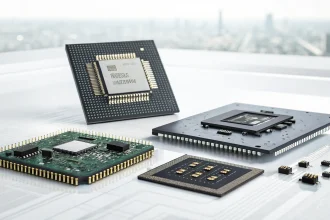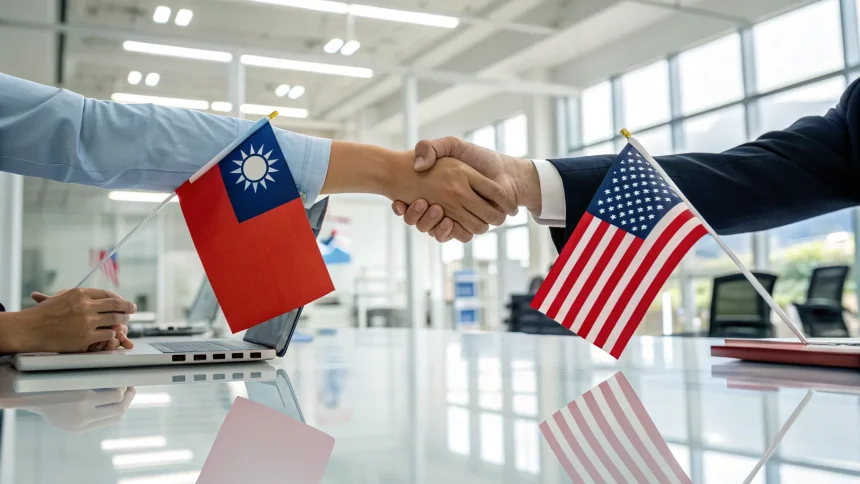
The United States has reached a trade agreement with Taiwan aimed at strengthening domestic semiconductor manufacturing, a move designed to secure supply chains and reduce reliance on overseas production. The deal, struck amid ongoing global chip shortages and rising demand, seeks to channel investment, standards cooperation, and smoother trade ties between Washington and Taipei.
The agreement comes as the Biden administration pushes to expand chipmaking on US soil and as Taiwan’s industry remains central to the world’s most advanced processors. It also reflects growing concern over disruptions caused by the pandemic, geopolitics, and fragile logistics networks.
Why Chips Are at the Center of Policy
Semiconductors power everything from phones and cars to medical devices and data centers. When shortages hit automakers in 2021, US factories paused production and prices rose. Policy makers took notice. Congress passed the CHIPS and Science Act in 2022, setting aside more than $50 billion for manufacturing incentives and research. The White House has since announced multibillion-dollar grants to chipmakers building plants in states like Arizona, New York, and Ohio.
Taiwan is home to the world’s largest contract chip producer, Taiwan Semiconductor Manufacturing Company (TSMC). Industry estimates show Taiwan handles more than half of global foundry output and produces the vast majority of leading-edge chips. That concentration has fueled worries about supply risks if natural disasters or conflict hit the island.
What the Deal Seeks to Accomplish
While detailed text has not been released publicly, the agreement’s stated aim is clear:
“The U.S. struck a trade deal with Taiwan as the country looks to help boost domestic semiconductor manufacturing.”
Trade experts say such deals often streamline customs procedures, set rules for digital trade and services, and encourage collaboration on standards and workforce training. For chips, that can mean faster movement of tools and materials, shared approaches to testing and security, and more predictable rules for suppliers that straddle both markets.
- Encourage supply-chain resilience through diversified sourcing and logistics.
- Align technical standards to speed factory setup and certification.
- Support workforce training and research partnerships between firms and universities.
Industry Impact and Early Signals
US chipmakers and equipment suppliers are likely winners if trade frictions ease and timelines shorten. Faster approvals for critical tools can save months on factory ramp-ups. Taiwan-based firms get clearer access to a key market and closer ties to federal incentives tied to onshore production. TSMC’s projects in Arizona, for example, depend on steady flows of advanced equipment and skilled technicians.
Auto and electronics manufacturers could benefit if the deal helps stabilize supply after years of volatility. “Any step that reduces bottlenecks for materials and tools will help keep production on schedule,” said one supply-chain analyst familiar with semiconductor logistics.
Geopolitics and Risk Management
The agreement also fits with a broader strategy to reduce single-point failures. US officials have warned that heavy dependence on any one region is a national security risk. At the same time, Taiwan seeks to deepen ties with major economies to reinforce its role as a reliable supplier. The deal signals continued economic alignment while avoiding sweeping tariffs or export restrictions that might disrupt trade.
Still, challenges remain. Advanced chipmaking relies on complex ecosystems across the US, Taiwan, Japan, South Korea, and the Netherlands. Export controls on certain technologies, imposed to address security concerns, will continue to shape what can be shared. Building and staffing new fabs in the US has also taken longer and cost more than expected, putting pressure on schedules and budgets.
What to Watch Next
Analysts will track how the agreement is implemented. Key markers include customs processing times for equipment shipments, joint research announcements, and workforce programs that bring engineers and technicians between the two markets. Procurement decisions by major chip firms in 2026–2027 will reveal whether new US capacity can compete on cost and yield.
Investors will watch capital spending plans, while manufacturers will look for steadier delivery schedules. Consumers will feel the effects later, through product availability and prices if supply stabilizes.
For now, Washington and Taipei have put a plan on paper to make chips more reliable and more local. The next phase will test whether rules and partnerships can translate into wafers, yields, and on-time deliveries at scale.