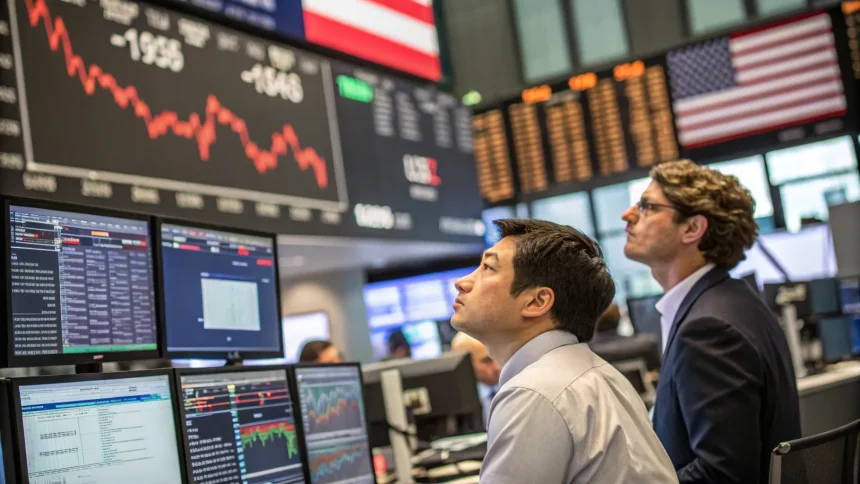
A weakening U.S. dollar is stirring fresh debate on Wall Street, as investors question the strength of America’s public finances and growth outlook. Currency markets have turned into a referendum on confidence in the United States, with some overseas buyers stepping back from dollar assets while they reassess risk and return.
At issue is whether the move reflects a temporary swing in interest rate expectations or a deeper concern over debt, deficits, and long-term competitiveness. The stakes are high. The dollar anchors global trade and finance, and shifts in its value ripple through stocks, bonds, and commodities worldwide.
“A diminished greenback could signify flagging confidence in the U.S. as foreign investors grow more wary over the country’s fiscal and economic outlook.”
Why the Dollar Matters
The U.S. dollar is the dominant reserve currency, used to price oil, metals, and many global contracts. When it weakens, import costs rise for U.S. consumers, while exporters often gain a price edge abroad. Multinational companies can see foreign earnings translate into more dollars, even if sales volumes are unchanged.
For many countries, a softer dollar eases pressure on local borrowers who owe in dollars. It can also support commodity prices. But the flip side is higher U.S. inflation risk if the slide is sharp or sustained, which could complicate the Federal Reserve’s fight to keep prices steady.
Fiscal Worries and Treasury Supply
Concerns about U.S. finances center on the budget deficit and the growing stock of federal debt. Larger deficits mean more Treasury issuance. That can push yields higher unless demand keeps pace, and foreign buyers have long been a key part of that demand.
If global investors hesitate, the dollar can weaken as they reduce exposure. Some cite political gridlock and recurring debt-limit standoffs as reasons to diversify. Others point to long-term spending pressures from health care and Social Security.
Investors are watching auctions, bid-to-cover ratios, and the share of purchases by foreign accounts. Those signals can reveal whether demand is steady or softening at the margin.
Rate Differentials and Market Mechanics
The dollar often moves with interest rate differentials. If the Fed is expected to cut rates faster than peers, yields can fall relative to Europe or Japan, making dollar assets less attractive. That tends to weigh on the currency.
Hedging costs also matter. When hedging dollar exposure gets expensive for foreign buyers, demand for U.S. bonds can cool. Conversely, lower hedging costs can bring buyers back, even if yields are not the highest.
Past episodes offer a guide. During the 2020 pandemic, the dollar first surged on safe-haven demand, then eased as massive policy support kicked in. In 2011, despite a U.S. credit rating downgrade, safe-haven flows at times supported the dollar. Context, policy paths, and global risk appetite can change the outcome.
Winners and Losers From a Weaker Dollar
- U.S. exporters: Gain pricing power abroad and may see stronger volumes.
- Importers and consumers: Face higher costs for foreign goods, which can lift inflation.
- Commodity producers: Often benefit as prices, quoted in dollars, can rise.
- Foreign borrowers in dollars: May get relief if local currencies strengthen against the dollar.
Signals Investors Are Watching
Market participants are tracking several markers to judge whether the currency move reflects a short-term adjustment or a deeper shift in sentiment:
- Federal Reserve guidance and the path of rate cuts or hikes.
- U.S. fiscal headlines, deficit projections, and Treasury auction demand.
- Reserve allocation trends by central banks and sovereign funds.
- Trade balances and current account gaps, which feed into dollar supply and demand.
Balanced Views on the Outlook
Some analysts argue the dollar’s decline could be orderly, driven by narrowing rate gaps and a healthy global recovery. That view suggests manageable inflation and better external growth. Others warn that persistent deficits and political fights could erode trust and push investors to diversify faster.
Both views agree on one point. Policy clarity matters. A credible fiscal path and a steady monetary stance are key to stabilizing expectations and keeping foreign demand engaged.
For now, the message from currency markets is cautious. The dollar remains central to global finance, yet its appeal can rise or fall with changes in policy and confidence.
Investors will be watching the next round of inflation data, Fed communications, and Treasury auctions for clues. If confidence firms, the dollar could steady. If doubts grow, the drift lower may continue, with broader effects for trade, inflation, and global capital flows.