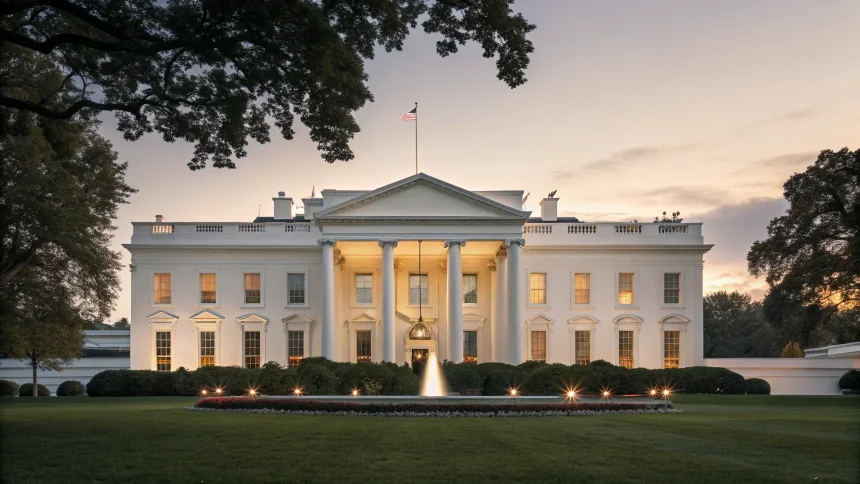
The White House is preparing to host the president of Colombia, according to a brief statement from the U.S. leader. The plan signals a new round of high-level talks in Washington. The meeting, still without a confirmed date, would take place at the presidential residence. It aims to deepen cooperation on migration, security, and trade at a sensitive moment for both countries.
“El presidente estadounidense indicó que su equipo estaba organizando una visita del mandatario colombiano a la Casa Blanca.”
The comment, delivered without further detail, sets the stage for a bilateral agenda that has grown more complex in recent years. It also highlights the importance Washington places on ties with Bogotá. The announcement suggests both governments want to keep negotiations personal and direct.
Longstanding Partners Face New Pressures
The United States and Colombia have maintained close ties for decades. The partnership has centered on security cooperation, anti-drug strategies, trade, and rural development. U.S. assistance has supported police and judicial reforms. Colombian leaders have sought investment and backing for peace and social programs.
In recent years, both sides have adjusted their approach. Migration through the Darién Gap has surged and strained border systems across the hemisphere. Coca cultivation and trafficking patterns have shifted, prompting debates over eradication and rural livelihoods. Trade links remain strong, but supply chain shifts and regional competition add new pressure.
Environmental concerns also shape the agenda. Colombia hosts large swaths of the Amazon and Andean ecosystems. Washington has urged stronger protections, while Bogotá seeks financing for conservation and energy transition.
What The Meeting Could Cover
The White House visit is likely to focus on a few core areas:
- Migration management: Coordinated efforts to reduce dangerous routes and expand legal pathways.
- Drug policy: Balancing enforcement with rural development and public health strategies.
- Trade and investment: Opportunities in energy, minerals, and infrastructure, with attention to labor and environmental standards.
- Climate and conservation: Funding and tools to protect forests and support clean energy.
- Peace and security: Support for implementation of peace accords and protection of communities.
Officials on both sides have hinted at broader cooperation on technology and education. Any announcement could include new funding or pilot programs. Transparency around outcomes will be key for public support.
Signals From Washington And Bogotá
The U.S. president’s brief comment suggests the visit is in active planning. It also implies agreement on the meeting’s value. While no date was shared, the phrasing points to work already underway by staff. The Colombian government has sought a larger regional role on migration and climate. A White House visit would amplify that message.
Domestic politics in both capitals will shape the tone. In the United States, border policy and drug overdoses are hot-button issues. In Colombia, debates over economic reforms and security are intense. Both leaders face pressure to show progress, not just warm words.
Why It Matters Now
The hemisphere faces a mix of humanitarian, economic, and security challenges. High migration flows test local services. Communities in Colombia need safer jobs and stronger institutions. U.S. cities seek help managing arrivals and integration. Shared solutions require coordination, money, and trust.
A White House meeting can produce practical steps. These might include joint enforcement actions against trafficking networks. They could extend to legal work permits, regional processing centers, or targeted aid for border zones. Clear timelines and measurable goals would help track results.
What To Watch
Key signals will include whether both governments announce specific funding, timelines, and metrics. Any shift in drug policy will draw close scrutiny. So will measures to protect human rights and reduce violence. Business leaders will look for investment incentives and supply chain plans.
The single sentence from the U.S. leader carries weight because it hints at momentum. A formal schedule, once released, would confirm that talks are on course. For now, both countries appear ready to test a practical agenda built on long ties and present needs.
The visit, if finalized, could reset parts of the partnership for the current moment. It may also show how Washington plans to work with regional allies on migration and security. The next update to watch for is a date, a list of deliverables, and a clear plan for follow-through.