Sports venues are rolling out invite-only rooms that promise privacy, comfort, and fast access to the action. The concept is simple: give guests a quiet escape without missing a play. As teams fight for revenue and loyalty, these hidden lounges are becoming a headline feature across major arenas and ballparks this season.
The push comes as franchises seek new ways to keep high-spend customers in the building. With more fans watching from home on massive TVs, teams are betting that premium hospitality can beat the couch. The playbook pairs proximity to the game with hotel-level service, making a night out feel part luxury suite, part members club.
What the Experience Looks Like
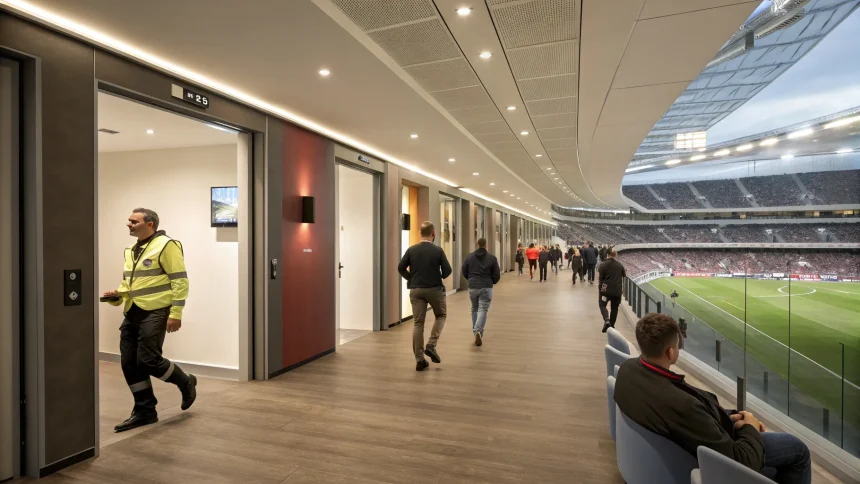
The pitch often centers on discretion and convenience. Guests can slip into a plush room, grab a drink, and still be near the action. One marketing line sums up the draw:
“The invite-only rooms offer a private and glamorous retreat from the noise of the game just steps away.”
Operators say the rooms feature elevated menus, attentive staff, and controlled crowds. The appeal is obvious for star clients and corporate hosts who want face time without the usual concourse traffic. The spaces also aim to reduce the tradeoff between quiet conversation and on-field drama.
Why Teams Are Investing Now
Premium seating has long been a lifeline for stadium economics. While these rooms make up a small fraction of total capacity, they can punch above their weight in revenue. Sponsors also like the intimacy, where deals are made and logos share the frame with big moments on the scoreboard.
Teams are under pressure to keep every seat relevant. Regular ticket buyers want value. High-end buyers want ease and status. Invite-only rooms promise both an upscale escape and a speedy return to seats. In a tight market, that can tip the decision to attend on a weeknight.
The Debate Among Fans
Not everyone is cheering. Some fans see these spaces as another step in a growing gap between premium and standard experiences. They worry stadiums will prioritize private lounges over improving concessions and sightlines for the majority.
Supporters counter that premium dollars help fund broader upgrades, from better Wi-Fi to quicker entry. They argue that targeted perks for a small group can stabilize team budgets without raising prices across the board. The truth likely sits in the middle: done well, the rooms can subsidize improvements; done poorly, they can feel like a velvet rope in a public space.
Access, Eligibility, and Price
As the name implies, access is limited. Teams use waitlists, corporate partnerships, and loyalty criteria to decide who gets in. Packages may be tied to season plans or special events. Some clubs rotate invitations to keep the mix fresh and avoid the sense of a closed circle.
- Access: Invitation, membership, or top-tier plans
- Location: Close to seating sections or club level
- Perks: Curated menus, concierge-style service, private restrooms
- Use Case: Pre-game meetings, halftime resets, post-game networking
What Success Looks Like
The early markers are straightforward: consistent attendance, sponsor interest, and repeat use by core customers. Teams also watch how these rooms affect time spent in the building. If guests arrive earlier, stay later, and spend more, the program is working.
There is a wider effect too. If premium spaces reduce congestion elsewhere, lines shrink and the overall experience improves. If they pull staff and attention from general areas, the opposite happens. The operational balance will decide whether these rooms feel additive or exclusive in the worst way.
What Comes Next
Expect the concept to expand into concerts, playoffs, and marquee matchups. Some venues are testing digital check-in, preordered food, and quiet zones for families or business meetings. Others are exploring flexible designs that convert rooms for different crowds on different nights.
For now, the invite-only approach is a clear bet on comfort and proximity. Teams are wagering that giving guests a calm corner within earshot of a roaring crowd is the sweet spot. If that bet pays off, more stadiums will tuck small sanctuaries into their biggest nights.
The takeaway is simple: privacy sells, but so does access. The venues that marry both—without losing the shared joy that makes live games special—will set the pace. Watch for waitlists, smarter layouts, and a lot of attention on how these rooms shape the fan experience outside their doors.