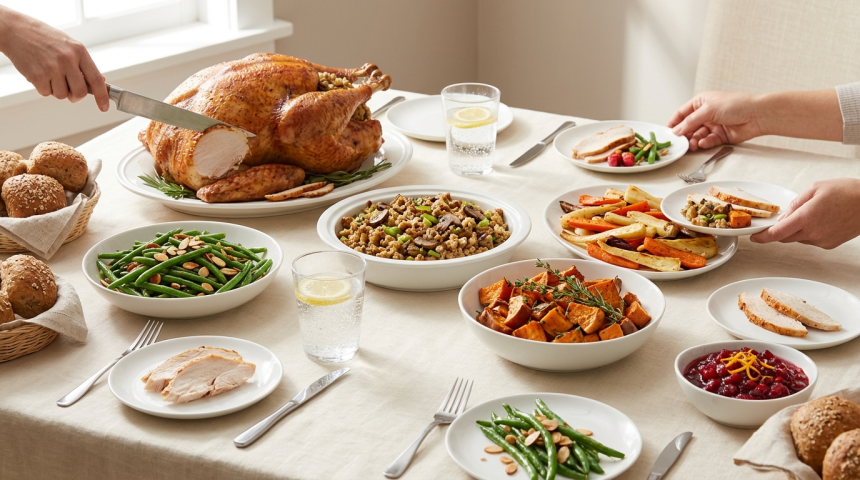
Thanksgiving dinner can become a digestive obstacle course for people taking GLP-1 medications, but careful portions may keep the holiday both healthy and satisfying.
These medicines can reduce appetite and slow digestion. That may make rich dishes, large servings, and alcohol harder to tolerate. Experts advise patients to plan ahead rather than skip the celebration or arrive hungry.
Why Holiday Portions Matter
GLP-1 drugs are prescribed for type 2 diabetes and chronic weight management. They include medications containing semaglutide, tirzepatide, liraglutide, and dulaglutide.
Common side effects include nausea, vomiting, constipation, diarrhea, and stomach discomfort. A heavy Thanksgiving meal may make those symptoms worse, especially after a recent dose increase.
The goal is not to ban every favorite dish. Instead, patients can choose modest portions and stop eating when fullness appears. That signal may arrive sooner than it did before treatment.
The practical target is a “healthy and delicious Turkey Day,” not a joyless plate that looks like punishment.
Staples That May Cause Trouble
Fatty, fried, sugary, and creamy foods often sit poorly with people experiencing medication-related digestive effects. Thanksgiving happens to feature all four with impressive enthusiasm.
Foods that may warrant smaller servings include:
- Deep-fried turkey or turkey skin
- Heavy gravy and buttery mashed potatoes
- Cream-based casseroles and rich macaroni and cheese
- Sausage-heavy stuffing
- Large slices of pie with whipped cream
- Sugary drinks and excess alcohol
These foods do not affect everyone the same way. Someone who has tolerated a dish during treatment may not need to avoid it completely. Portion size and eating speed can matter as much as the recipe.
Build a Gentler Plate
Roasted turkey without the skin offers protein with less fat. Cooked vegetables, a small scoop of potatoes, and modest stuffing can round out the meal.
Patients can begin with a smaller plate and eat slowly. Waiting before taking seconds gives the body time to register fullness. Water can support hydration, though gulping a large drink during dinner may feel uncomfortable for some people.
Skipping breakfast to “save room” may backfire. Arriving extremely hungry can encourage rapid eating before fullness catches up. A light breakfast or lunch may make dinner easier to manage.
Dessert can still fit. A few bites or a shared slice may satisfy without producing the stomachache nobody ordered.
Medication Decisions Need Medical Advice
Patients should not delay, skip, or change a GLP-1 dose solely to eat more at Thanksgiving. Dosing decisions should come from the clinician who prescribed the medicine.
That advice carries extra weight for people using GLP-1 drugs to manage diabetes. Changing treatment without guidance may affect blood sugar. Alcohol can also complicate glucose control and worsen nausea or dehydration.
Persistent vomiting, severe abdominal pain, faintness, or an inability to keep fluids down requires prompt medical attention. Patients with ongoing side effects should contact their care team before the holiday.
A workable Thanksgiving plan rests on three ideas: smaller servings, slower eating, and attention to symptoms. GLP-1 treatment may change how much food feels comfortable, but it does not cancel tradition. The wisest menu leaves room for enjoyment, with leftovers handling the rest.