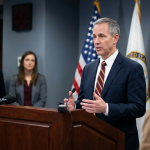
The World Health Organization has issued a stark warning about conditions in the Occupied Palestinian Territory, saying the health emergency may grow more severe.
“The worst really is yet to come,” said the WHO representative serving the territory. The statement signals concern that existing health risks could intensify without safer conditions, reliable access to care and sustained humanitarian aid.
The warning did not include a timeline or detailed forecast. Still, its direct wording points to fears about further illness, injuries and preventable deaths among civilians.
A Health System Under Heavy Pressure
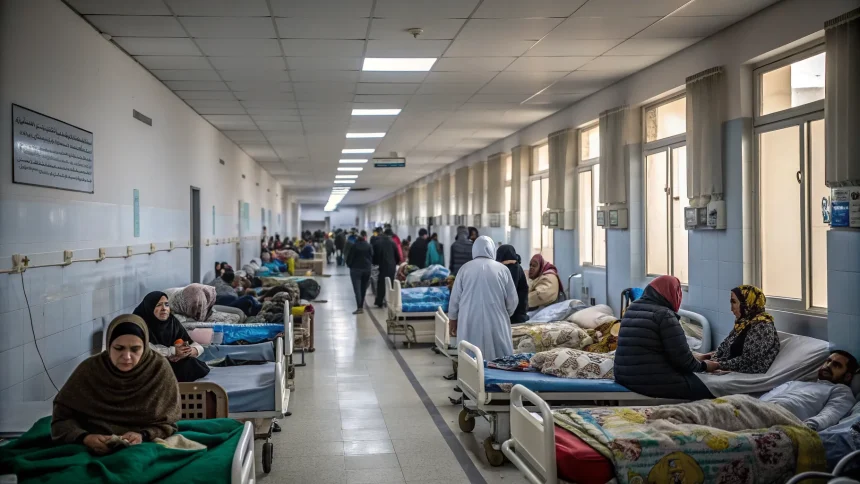
Conflict can strain every part of a health system at the same time. Hospitals may face more patients while losing staff, beds, electricity, medicine and clean water.
Disrupted transport also creates barriers. Ambulances and patients may struggle to reach working facilities, while aid deliveries can face delays or restrictions.
These pressures are linked. A shortage in one area can quickly create problems elsewhere. Limited fuel, for example, can affect hospital equipment, water systems, refrigeration and communications.
The WHO representative’s warning suggests that the present crisis should not be treated as a fixed situation. Public health conditions can decline quickly when services remain interrupted.
Risks Extend Past Immediate Injuries
Emergency treatment is only one part of the challenge. People with cancer, diabetes, heart disease and kidney conditions depend on regular care and medicine.
Pregnant women and newborns also need safe facilities and trained medical workers. Missed treatment can turn manageable conditions into life-threatening emergencies.
Overcrowding and damaged sanitation systems can increase the risk of infectious disease. Those dangers rise when families lack clean drinking water, adequate shelter or basic hygiene supplies.
- Hospitals need dependable fuel, medicine and medical equipment.
- Patients and health workers need safe routes to functioning facilities.
- Communities need clean water, sanitation and disease monitoring.
- Humanitarian organizations need steady access to affected areas.
Mental health is another concern. Repeated displacement, loss and fear can cause lasting harm, especially among children. Such effects may continue long after immediate physical injuries are treated.
WHO’s Warning Carries Wider Weight
WHO representatives assess public health conditions, support local medical services and report risks to governments and international agencies. Their warnings can shape aid planning and diplomatic pressure.
“The worst really is yet to come.”
The statement is a forecast, not a measured outcome. It does not specify which health indicators are expected to worsen or how quickly that could happen.
That lack of detail limits firm conclusions. However, the warning remains significant because it comes from the United Nations agency responsible for international public health coordination.
Prevention Depends on Access and Protection
Reducing the danger requires more than treating new casualties. Health facilities must remain protected and supplied, while civilians need access to food, water, shelter and medical care.
Humanitarian agencies may focus on immediate relief, while political and military leaders control many conditions that determine whether aid can reach patients. Those different roles can create gaps between identified needs and practical delivery.
The central message is urgent: conditions may deteriorate further unless health services and basic civilian needs receive sustained protection. Future assessments should be watched for data on hospital capacity, disease, malnutrition and aid access. Those measures will show whether the WHO warning is being addressed or becoming reality.