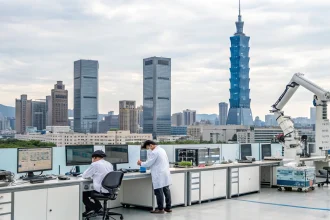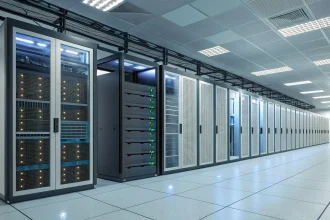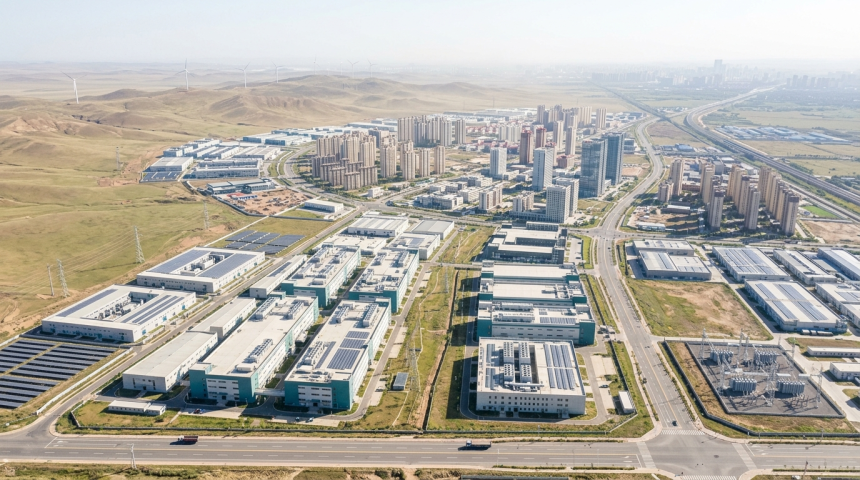
Cheap energy, abundant land and access to Beijing have turned a city in Inner Mongolia into a key data center hub. The rise shows how geography and operating costs are shaping China’s digital infrastructure.
Data centers require large sites, steady electricity and links to major business markets. Inner Mongolia offers this mix near China’s political capital, making the region attractive for facilities that store and process large volumes of information.
Lower Costs Drive Development
Electricity is one of the largest operating expenses for a data center. Servers run at all hours and generate heat, which creates another major demand: cooling.
Inner Mongolia’s relatively cheap energy can reduce those expenses. Its cooler climate may also help operators limit cooling costs during parts of the year, although facility design and local weather remain important factors.
Land availability gives the city another advantage. Large data center campuses need room for server buildings, power equipment, cooling systems and network links. Space for future expansion is also valuable because computing demand can grow quickly.
These conditions can support large facilities at a lower cost than dense urban areas. Beijing has strong demand for digital services, but land and energy constraints make major data center construction more difficult within the capital.
Beijing Proximity Adds Strategic Value
The city’s location near Beijing strengthens its role. Shorter network routes can reduce delays when information travels between users and servers. That matters for cloud services, online platforms and business systems that need rapid responses.
Proximity also allows operators to serve companies and public institutions linked to Beijing while placing energy-intensive equipment outside the crowded capital. This model separates computing facilities from the customers and organizations that use them.
The city’s appeal rests on three linked advantages:
- Lower-cost energy for servers and cooling equipment
- Available land for large campuses and later expansion
- Access to Beijing, a major source of data demand
Together, these factors have made the city a crucial data center hub. Its growth reflects a wider pattern in which computing work is moved to areas with cheaper resources while remaining connected to large population and commercial centers.
Growth Brings Economic and Environmental Questions
Data center investment can create construction work, technical jobs and demand for local services. It can also bring spending on power networks, telecommunications and transport links.
However, the facilities do not always employ as many permanent workers as their size may suggest. Much of their daily operation is automated, while specialized positions may require training that is not readily available in every local labor market.
Energy use is another concern. Low electricity prices can attract investment, but the environmental effect depends on how that power is generated. Data centers can place sustained pressure on regional grids because they operate continuously.
Water use may also require scrutiny. Some cooling systems consume substantial amounts of water, which can create tension in dry areas. Operators may need to consider air cooling, recycled water and more efficient equipment as projects expand.
A Test for Long-Term Digital Planning
The hub’s future will depend on more than cheap land and power. Reliable networks, stable electricity supplies and clear rules for data security will shape its long-term position.
Demand could rise as companies rely more heavily on cloud computing and large-scale data processing. Yet rapid construction also carries the risk of unused capacity if projects grow faster than customer demand.
Inner Mongolia’s emerging hub offers a clear lesson for digital development. Cost advantages can move computing infrastructure away from major cities, but close connections to those markets still matter. The next test will be whether the city can sustain growth while managing energy use, water demand and local economic benefits.