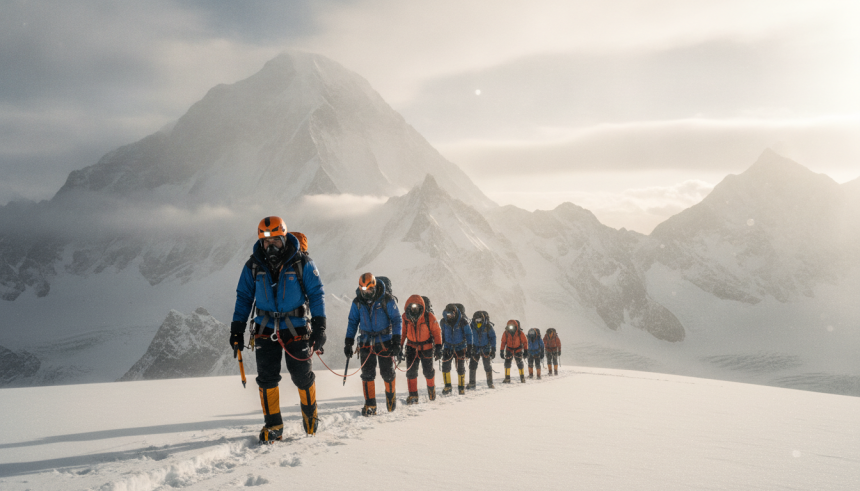
A new high-altitude expedition under the leadership of Nepal-born mountaineer Nirmal Purja is drawing global interest from climbers and officials. Purja, a former British Army soldier also known as Nims Dai, now heads one of the most watched teams in the mountains. His track record and approach to safety give the effort unusual weight, while also renewing debate over guiding, risk, and the future of commercial expeditions.
The expedition was led by renowned mountaineer Nirmal Purja, the Nepal-born former British Army soldier widely known as Nims Dai.
About the Leader
Purja rose to international fame in 2019 after climbing all 14 of the world’s 8,000-meter peaks in six months and six days, far faster than any previous effort. In 2021, he joined a historic all-Nepali team that made the first winter ascent of K2, long considered impossible in the coldest season. He served in the British military for a decade, first with the Gurkhas and later with the Special Boat Service, experience that shapes his leadership style.
He now runs a guiding operation that focuses on high-altitude objectives. Supporters say his planning, weather analysis, and emphasis on oxygen use and fixed lines have helped clients reach summits while reducing risk. Critics argue that aggressive schedules and crowding can create new hazards. Both views often meet on the same ridges, where conditions change fast and every decision matters.
Safety, Strategy, and Crowding
Purja’s teams typically move with clear turnaround times, layered contingency plans, and strong Sherpa support. That approach has become more common on major peaks, where permit numbers have grown and windows of safe weather can be brief. Fixed ropes and high-flow oxygen are now standard on the busiest routes, which can help climbers manage altitude stress and exposure.
Guides and rescue volunteers say this model can save lives when storms close in or when avalanches threaten icefall routes. At the same time, images of lines near popular summits have raised hard questions about decision-making and route management. Veteran climbers stress that good spacing, early starts, and strict triage of client readiness are key to avoid bottlenecks above 8,000 meters.
Commercial Expeditions Under Pressure
The broader industry faces new pressures. Warmer temperatures can destabilize seracs and rockfall, forcing route changes with little notice. Insurance costs have risen, and helicopter operations must balance access with safety. Local economies rely on climbing seasons, but authorities also weigh congestion and risk to workers who fix lines and carry loads.
Purja’s prominence puts these trade-offs in the spotlight. His supporters point to high success rates and strong logistics. Skeptics push for stricter permit screening and better coordination among teams. Both sides agree on one thing, the margin for error at extreme altitude is thin, and communication between guides is essential.
Track Record and Expectations
Observers will watch how the team manages acclimatization, weather windows, and summit pushes. Past expeditions led by Purja have moved fast when conditions open, then stood down when they close. That flexibility can be the difference between a clean ascent and a risky standoff high on the route.
Analysts also note the ripple effect. When a leading team fixes lines early, others can follow and schedule attempts more safely. When conditions block the route, the entire season can compress into a few days, increasing strain on camps and crews.
Key Numbers and Trends
- Fourteen 8,000-meter peaks climbed by Purja in 2019, in just over six months.
- First winter ascent of K2 by an all-Nepali team in 2021, including Purja.
- Growing reliance on supplemental oxygen and fixed lines on standard routes.
- Rising permit totals on major peaks in peak seasons, straining logistics.
The coming days will test planning, patience, and teamwork. If conditions hold, the team could set a tone for the rest of the season by fixing lines early, spacing summit attempts, and keeping strict cutoffs. If storms build, conservative calls will matter more than speed.
For now, the expedition represents a familiar crossroads for high-altitude climbing. Strong leadership can lift safety and success rates, but only if paired with realistic pacing and respect for changing terrain. Watch for updates on route conditions, weather shifts, and how teams coordinate above Camp 2. The outcomes will shape guide practices, permit policy, and the next wave of climbers hoping to stand on top of the world.