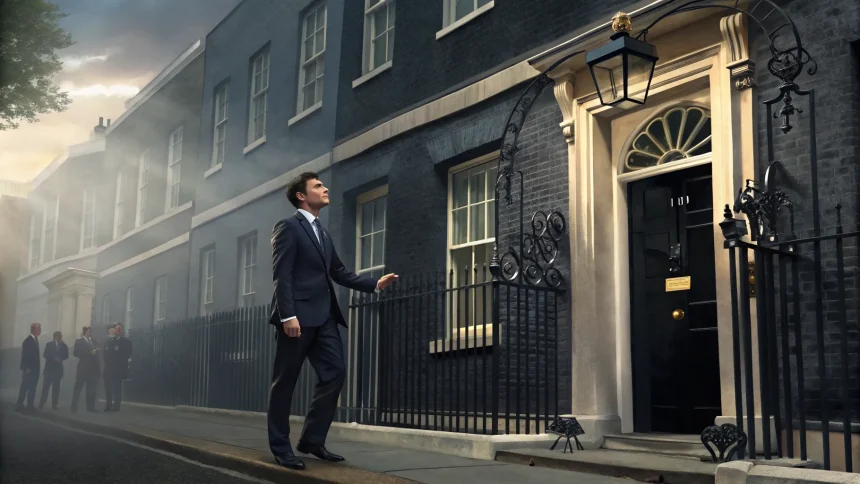
Andy Burnham has taken the keys to Number 10, replacing Keir Starmer after a rapid shift at the top of government. The move places the former Manchester mayor at the center of a fragile moment for the United Kingdom, as voters demand fixes at home and firm handling of Washington under President Trump.
Andy Burnham has replaced Keir Starmer as UK prime minister. Can the ‘King of the North’ fix Britain and deal with President Trump?
From Manchester Mayor To Number 10
Burnham built his profile in Greater Manchester, where he served as mayor since 2017. He earned the moniker King of the North through campaigns for more transport cash, local powers, and fairer funding.
Before city hall, he was a cabinet minister under Gordon Brown and an MP for Leigh. That experience gave him a national network and a taste for crisis management.
His clashes with Westminster over regional control, including during the pandemic and rail debates, turned him into a plain‑spoken advocate for devolution. Supporters see that as proof he can cut through Whitehall drift. Critics say city hall victories do not always scale to national fixes.
First Orders At Home
Burnham faces a crowded in‑tray. Inflation may be easing, but bills are still biting and growth is weak. The National Health Service is strained and staff morale is low.
He is expected to push on familiar ground: rail and buses, housing, and skills. The case for Northern Powerhouse Rail and upgrades to creaking lines will return to the table.
He will also need to settle funding deals with mayors across England, and decide how far to push new local tax and borrowing powers. Any move that lifts regional growth without spooking markets will be a political win.
- Stabilize the economy while protecting public services.
- Reduce NHS waiting times and tackle staffing gaps.
- Set out a clear plan for rail investment.
- Hold the party together after a sudden handover.
Managing Washington And President Trump
Downing Street will test its voice with President Trump early. Trade, tariffs, and NATO will top the script. The UK needs firm ties with the United States on security and energy, even when styles differ.
Burnham’s approach in Manchester mixed blunt talk with deal‑making. That may suit a transactional White House. Expectations should be kept realistic on a full trade deal, but targeted agreements on data, defense, and green tech could move faster.
On Ukraine and NATO, the UK is likely to press for steady support and to meet or exceed its defense spending goals. The challenge will be to align public spending at home with global commitments abroad.
Signals From Supporters And Skeptics
Allies hail a leader who can speak plainly to voters far from London. They say he understands the daily commute, the cost of childcare, and the grind of low growth.
Opponents warn that fiscal limits leave little room for big promises. They question whether he can move from regional fixer to national steward without a stumble.
Business groups will watch tax and planning reform. Unions will watch pay talks. Markets will watch borrowing. Any early misstep could drain political capital fast.
What Comes Next
The country needs clarity within weeks. A short, focused plan on growth, NHS recovery, and crime would set the tone. Quick wins on buses, timetables, and potholes sound small, but they build trust.
Abroad, a steady first call with Washington, followed by clear lines on NATO and trade, would calm nerves. Partners in Europe will also look for a stable hand.
Burnham’s brand rests on delivery. If he converts mayoral instincts into national results, he could reset the political map. If not, frustration will return fast.
The task is simple to state and hard to do: fix what people feel every day at home, while keeping the UK confident overseas. Watch for his first budget signals, the shape of a transport deal, and how he handles that first test with President Trump.