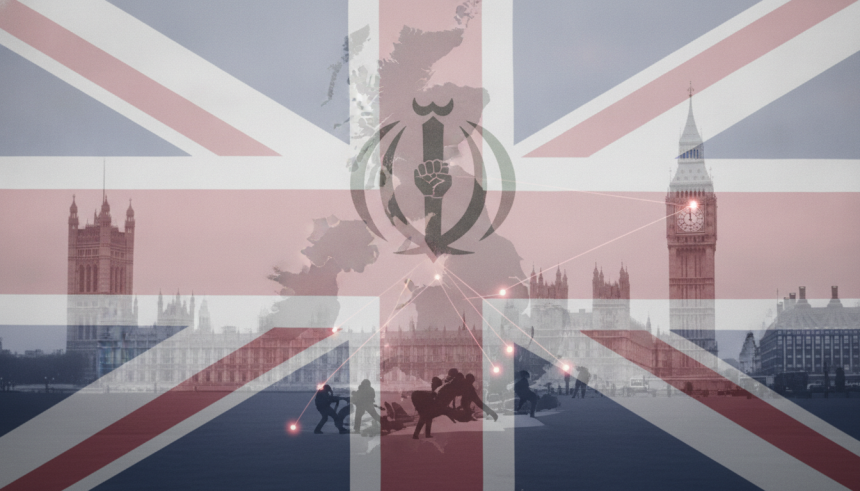
British security officials say Iran’s Islamic Revolutionary Guard Corps and allied groups are tied to a series of violent schemes in the United Kingdom, heightening concerns about state-backed threats to people on British soil. The development, disclosed by authorities in London, points to organized activity aimed at dissidents and perceived enemies, and has renewed calls for tougher measures against Tehran-linked networks.
The announcement reflects months of investigation by security agencies and counter-terrorism police across the country. It comes as the government weighs fresh sanctions and policy steps meant to deter hostile activity. Officials argue the threat targets individuals, critical infrastructure, and the rule of law, while community leaders warn against inflaming tensions at home.
“U.K. authorities have linked the IRGC and its proxies to a wave of violent plots on British soil.”
Background: A Rising State-Linked Threat
Security sources have warned since 2022 about a pattern of plots and intimidation aimed at journalists, activists, and dissidents. MI5 has publicly stated there have been numerous credible threats linked to Iran-based actors in the past two years, including plans to kidnap or kill individuals in the U.K. Authorities say the activity often involves proxies or criminal facilitators, which can obscure direct command.
The IRGC, a powerful military and intelligence entity in Iran, has long faced Western sanctions. The U.K. has expanded measures targeting IRGC units and individuals, citing threats to national security. Ministers have faced pressure to formally ban the IRGC under terrorism laws, though the government has so far relied on sanctions, criminal prosecutions, and diplomatic steps.
How the Threat Manifests
Officials describe a mix of surveillance, recruitment, and coercion. Targets are often contacted online or followed in person. Some cases involve attempts to hire local criminals or third-country operatives. Authorities also warn of cyber intrusions and harassment campaigns that can escalate to physical harm.
- Targets include Iranian diaspora figures, media workers, and critics of Tehran.
- Tactics range from intimidation to kidnap and alleged assassination attempts.
- Proxies and cut-outs complicate attribution and prosecution.
Counter-terrorism policing has increased protective measures around potential targets and worked with tech platforms to remove threatening content. Community groups have coordinated with police to report suspicious approaches and safeguard at-risk individuals.
Government and Community Response
The Home Office has emphasized the use of disruption tools, including asset freezes, travel bans, and orders restricting hostile-state activity. Lawmakers across parties have pushed for a formal proscription of the IRGC, arguing it would give police added powers. Legal experts say existing laws already enable charges for conspiracy, firearms, explosives, and hostile-state offenses, but agree a clear designation could deter support networks.
British-Iranian organizations back stronger action but want careful messaging to avoid stigmatizing communities. Advocacy groups urge more funding for protective security and faster asylum reviews for those at risk. Civil liberties groups stress the need for judicial oversight, given the cross-over between national security and speech, especially online.
International Context and Diplomatic Fallout
The claims arrive amid wider tensions with Iran over regional conflicts, cyber operations, and maritime security. European partners have reported similar threats against journalists and activists. Coordination between U.K. and EU counterparts has increased, focusing on intelligence-sharing and sanctions alignment.
Diplomats warn that additional measures against the IRGC could prompt retaliation, including expulsions or pressure on U.K.-linked institutions abroad. Supporters of stronger steps counter that the cost of inaction is higher if plots continue and deterrence fails.
What Comes Next
Officials signal more arrests and sanctions are possible as investigations progress. Parliament may revisit proposals to list the IRGC under terrorism legislation, while security agencies push to harden vulnerable targets and track proxy networks inside the country.
Analysts expect three near-term moves: tighter financial monitoring of suspected facilitators, closer protection for named dissidents, and cooperative cases with European police. Success will hinge on fast evidence collection and the ability to pierce layers of intermediaries.
The latest warning marks a clear shift in tone from quiet monitoring to public deterrence. The message is that threats tied to a foreign security force will face a firm response. For now, the focus is on disrupting networks before plans turn into action, strengthening legal tools, and keeping communities informed without fueling fear.