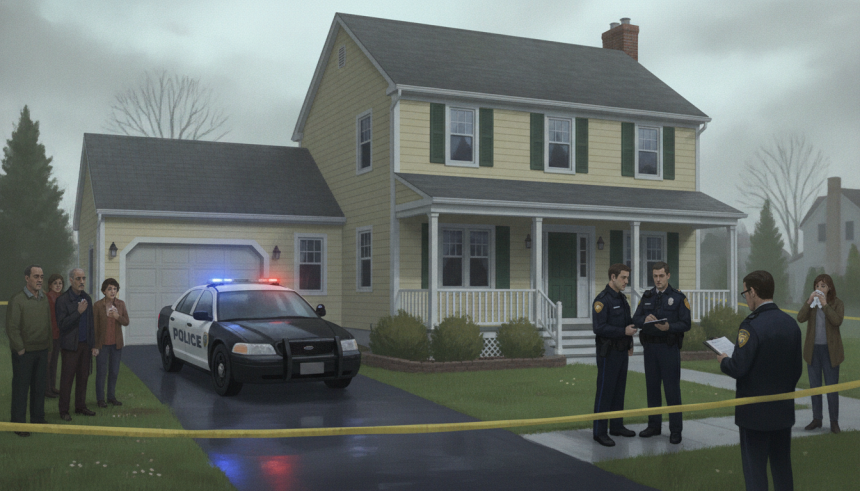
A quiet neighborhood in Mechanicville, New York, is reeling after police said a grandmother poisoned four children and their mother before taking her own life following a welfare check. The case, which officials described as a suspected murder-suicide, has set off urgent questions about warning signs, support systems, and how authorities respond when family safety is at risk.
“A Mechanicville, New York, grandmother allegedly poisoned four children and their mother before taking her own life, police said after a welfare check.”
Investigators have not released identities or ages. They said the scene was discovered during a welfare check, a routine but often tense call that can reveal crises behind closed doors. The tragedy places a spotlight on how such checks unfold, the tools available to responders, and where gaps may still exist.
What We Know So Far
Officials have described the sequence as a suspected poisoning followed by suicide. The case remains under investigation. Police typically secure the scene, gather evidence, and wait for autopsy and toxicology reports to confirm cause and manner of deaths. That process can take weeks. In the meantime, authorities often track medical histories, prescriptions, and recent household conflicts to understand what led to the event.
Neighbors and relatives often place the initial call that prompts a welfare check, usually after missed appointments, unanswered messages, or unusual behavior. Such calls have risen in many communities as people watch over isolated family members and as schools, health providers, and social services flag concerns.
Welfare Checks and Hidden Crises
Welfare checks are a standard tool for police and social services. They can be lifesaving. They can also be the first time responders learn of abuse, untreated mental illness, or escalating disputes. Officers arriving without context face safety risks and limited information. Many agencies now team with mental health professionals and child welfare staff when possible, though staffing varies by jurisdiction.
In suspected poisoning cases, investigators look for household chemicals, medications, and food or beverages that could carry toxins. They review pharmacy records and speak with doctors. Toxicology testing helps determine whether a single substance or a combination was used.
Family Violence and Warning Signs
Experts say family homicides involving caregivers are rare but devastating. Stress, isolation, financial strain, and untreated depression can all elevate risk. Friends and relatives may notice sudden withdrawal, alarming statements, or controlling behavior in the home. In multi-generational households, resentments and caregiving burdens can compound problems if support is thin.
- Missed school or work and difficulty reaching family members.
- Rapid mood changes and expressions of hopelessness.
- Threats of self-harm or harm to others, even if vague.
- Unusual control over food, medicine, or household routines.
Authorities encourage immediate reporting of threats or alarming changes. Quick intervention can open doors to crisis counseling, temporary relocation, or wellness checks that include mental health support.
Community Response and Next Steps
Tragedies like this often spur schools, faith groups, and local nonprofits to offer counseling and gather essentials for affected relatives. City leaders may review how welfare checks are handled and whether more training or joint response teams are needed. Some departments have expanded follow-up visits after initial concerns to ensure families get ongoing support, rather than a single knock on the door.
In the coming weeks, officials are expected to share preliminary findings once medical examiners complete their analysis. That will help clarify the timeline and substances involved. It may also point to missed opportunities for intervention. Transparency matters here. Clear updates can help the public separate rumor from fact and inform better prevention.
What This Case Signals
This incident highlights a painful reality: danger can exist within the home, and warning signs are not always visible. It also shows how much is asked of welfare checks, which are often a last resort. Better coordination among police, health providers, and social services can reduce blind spots. Training that equips responders to assess risk, de-escalate, and connect people to care is essential.
Residents can play a part by checking on neighbors and speaking up when something feels off. Many tragedies are preceded by small signals that, taken together, tell a larger story.
As investigators complete their work, the focus now is on truth, healing, and prevention. The key questions are straightforward: What happened, could it have been stopped, and how can similar harm be avoided? Answers will not bring back those lost, but they can shape smarter responses. Watch for official updates on causes of death, any history of prior calls to the home, and steps local leaders take to strengthen welfare checks and family support programs.