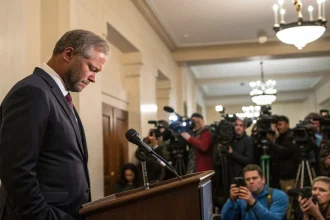
An Ohio Republican lawmaker has moved to obtain records from major phone companies, seeking proof for claims that a special counsel spied on Republicans during a federal probe. The request, sent this week from Capitol Hill, escalates a long-running fight over investigative powers, privacy, and political messaging in Washington.
The lawmaker is asking carriers for documents that could show whether investigators accessed call logs or other metadata tied to GOP officials. The allegations at issue have been widely disputed, but the new push keeps them in the spotlight and pressures telecom firms to clarify what, if anything, they were asked to provide.
The Ohio Republican is demanding documents from phone companies to support debunked allegations that the special counsel spied on Republicans.
Past Controversies Set the Stage
Fights over government access to communications data are not new. Over the past decade, both Republican and Democratic administrations have faced scrutiny for seeking records from lawmakers, journalists, and staff during leak and corruption investigations. Carriers typically comply with subpoenas or court-approved orders, a process that happens quietly and is often sealed.
In this case, the key dispute is whether the special counsel overreached into protected political activity. Legal analysts say investigators can lawfully request non-content records, like call times and numbers dialed, if they show relevance to a case. Content such as call audio or message bodies requires a higher legal bar, usually a warrant.
What the Request Seeks—and Why
The request to phone companies appears to focus on the timeline and legal basis of any government demands for GOP-related data. Supporters say this is about transparency, arguing that Congress has a right to know whether investigators swept up lawmakers’ information without cause. Critics call it political theater aimed at airing claims that have been already knocked down.
- Which records were sought by the government, if any
- What legal process—subpoenas, court orders, or warrants—was used
- Which offices or individuals were targeted
- How long any data was retained
Telecom companies, frequently stuck in the middle, are expected to respond within standard compliance windows. They often resist releasing customer-specific details without a clear legal directive or a protective order.
Disputed Allegations Meet Due Process
The spying claims have faced pushback from legal experts who emphasize the difference between targeted, court-sanctioned requests and blanket surveillance. Former prosecutors note that investigators must document relevance and pass judicial checks for most data requests. Even when records are obtained, strict minimization rules can limit how information is used.
Civil liberties groups, meanwhile, warn that political investigations can chill speech if lawmakers believe their communications are being tracked. They argue for stronger notice requirements and better reporting on how often investigators seek lawmakers’ records.
“The line between oversight and intimidation can blur fast,” one constitutional law scholar said in a separate interview about similar disputes. “That’s why process and transparency matter.”
Political Stakes and Public Perception
The move puts pressure on the special counsel to defend investigative steps while energizing partisan debates. Republicans framing the issue as surveillance risk overreach accusations if evidence does not materialize. Democrats argue the requests could undermine an active prosecution by seeding doubt about standard investigative tools.
Public opinion on surveillance tends to shift with headlines. When cases involve national security or corruption, voters often back firm tactics. When political actors are involved, skepticism rises. That split may shape how both parties message the latest demands for telecom records.
What to Watch Next
Phone carriers’ responses will determine the next chapter. If they show ordinary legal process, the push may lose steam. If they reveal unusually broad requests, expect louder calls for hearings and stricter rules.
Congress also has options. Lawmakers could pursue bipartisan guardrails, such as higher thresholds for records tied to elected officials, clearer notification policies once cases close, and annual transparency reports from both the Justice Department and carriers.
For now, the standoff centers on a simple question: were investigators’ steps routine, or did they cross a line? The answer will shape not just this probe, but the ground rules for how power is checked in Washington.
Bottom line: the document demands keep a disputed claim alive, pressuring carriers to choose candor over caution. The responses—expected in the coming weeks—will either validate standard procedure or trigger a fresh round of oversight. Watch for timelines, legal justifications, and whether any orders targeted communications of sitting lawmakers. Those details will tell the real story.