North Dakota and the federal government have reached a settlement in a long-running dispute over the costs of policing the Dakota Access Pipeline protests, closing a contentious chapter nearly a decade after the standoff. The agreement ends a lawsuit brought by the state seeking reimbursement for law enforcement expenses tied to protests near the Standing Rock Sioux Tribe in 2016 and 2017.
The deal caps years of wrangling over who should pay for public safety during one of the nation’s most visible pipeline fights. Terms were not immediately disclosed, and officials offered few details on timing of payments or allocations.
The state of North Dakota and the federal government have settled a lawsuit the state brought to recoup the costs of policing protests of the Dakota Access Pipeline nearly a decade ago.
Background: A Flashpoint Over Water and Land
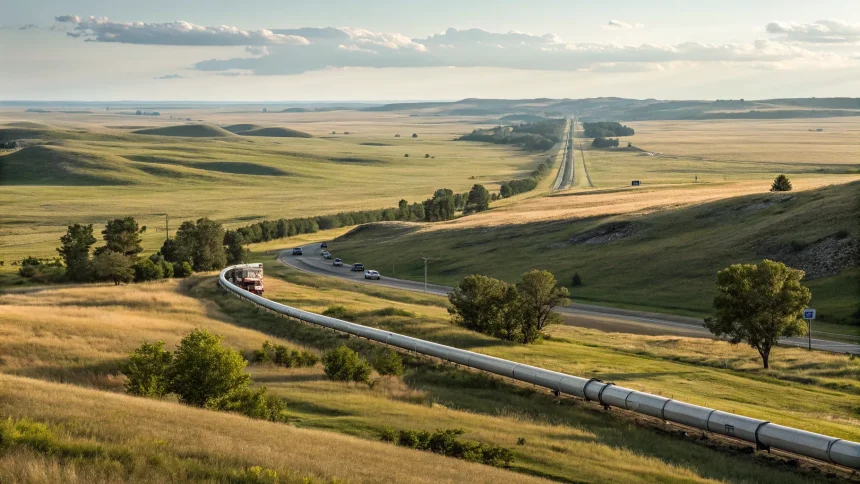
The Dakota Access Pipeline (DAPL) became a focal point for debates over tribal sovereignty, energy policy, and environmental risk in 2016. The 1,172-mile pipeline carries oil from North Dakota’s Bakken region to a hub in Illinois. Opponents argued the route under Lake Oahe threatened tribal water supplies and cultural sites. Supporters said it improved safety compared to rail shipments and boosted regional economies.
Protests drew thousands of people, who called themselves “water protectors,” to camps near Cannon Ball, North Dakota. The months-long standoff led to large police deployments, equipment surges, and mutual aid from agencies across the region.
State officials estimated security and emergency response costs at roughly $38 million during and after the protests. North Dakota sought federal help, arguing that much of the activity occurred on or near federal land and involved federal permitting decisions.
The Legal Road and the Settlement
After requests for federal aid fell short, the state pursued legal action to recoup costs tied to crowd control, traffic closures, and cleanup. The case highlighted gaps in how governments share responsibility for expenses during prolonged civil protests near federal property or involving federally approved projects.
With this settlement, both sides avoid further litigation and the risk of a court setting a precedent on cost-sharing for similar events. It also signals a turn from courtroom fights to policy questions about who pays when local agencies handle large protests with national stakes.
Stakeholders Weigh the Outcome
State leaders have long argued that local taxpayers should not carry the bill for policing protests linked to federal approvals. They say the agreement acknowledges the burden on rural counties and state budgets when demonstrations swell quickly.
Tribal voices point to the broader issues that drove the protests in the first place. The Standing Rock Sioux Tribe has pressed agencies to weigh treaty rights and environmental risks more seriously. The tribe also continues to watch ongoing federal environmental reviews of the pipeline’s river crossing.
Industry groups view the settlement as a chance to move past a costly dispute. They maintain that clear rules and coordinated planning can reduce conflict, protect communities, and keep energy moving safely.
Wider Impact and What It Signals
The agreement lands as energy infrastructure faces tighter scrutiny and stronger local pushback. It raises practical questions for states and tribes as they prepare for future demonstrations tied to pipelines, transmission lines, and mining.
- Who covers large-scale policing when protests center on federal permits?
- How can agencies plan joint responses that protect safety and speech rights?
- What safeguards ensure communities near projects are heard early and clearly?
Experts say clear cost-sharing frameworks, pre-event coordination, and community engagement can lower tensions. The settlement could encourage formal agreements between states, tribes, and federal agencies before projects hit flashpoints.
What Comes Next
Key details remain to be clarified, including how funds, if any, flow to local agencies. Observers will watch whether the deal prompts federal guidance on reimbursement during prolonged protests on or near federal land.
The pipeline itself continues to face regulatory review. Courts have ordered more environmental analysis in recent years, and federal agencies are assessing long-term permits. Those processes may shape future operations and responses to public dissent.
For North Dakota and Washington, the settlement brings closure on costs, if not on every question raised by DAPL. For communities along the route, it is another reminder that infrastructure fights linger long after the headlines fade.
The immediate dispute is over. The larger issues—tribal consent, water safety, and fair public safety funding—remain on the table. Watch for new federal-state-tribal agreements, clearer reimbursement rules, and earlier public engagement as the next test approaches.