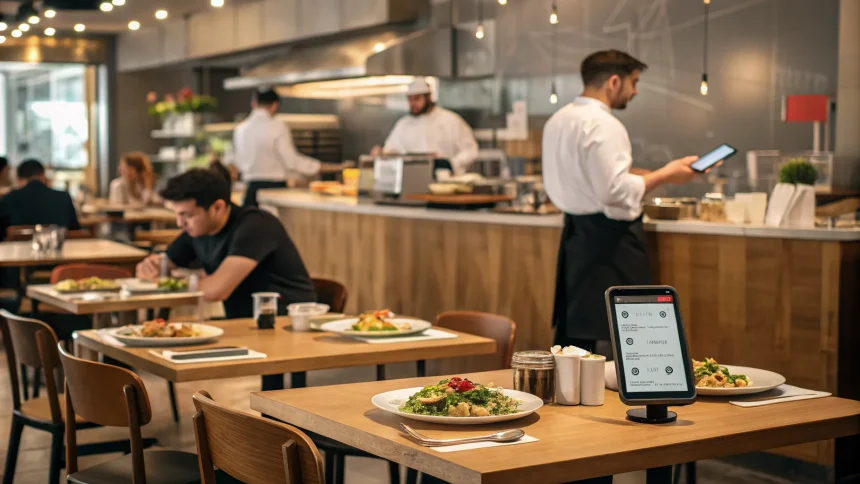
DoorDash is exploring artificial intelligence to make food ordering and table reservations simpler for customers and restaurants. The company signaled a push to streamline the process, aiming to reduce friction from search to checkout.
In a brief statement, DoorDash framed the move as a way to cut steps and save time. The plan points to rising pressure on delivery apps to improve service, attract new users, and help partners manage demand more efficiently.
What DoorDash Says It Will Do
“DoorDash wants to let users simplify the ordering and reservation process through AI.”
The company did not detail a rollout timeline or specific features. But the message suggests AI could guide users through menu choices, handle special requests, surface available time slots for dine-in, and speed up payment.
Such tools may also help restaurants answer common questions, handle booking conflicts, and manage peak periods with fewer manual steps.
Why AI Is Entering the Checkout Flow
Food delivery has grown into a routine service for many households. Yet the path from opening an app to completing an order can involve many taps. Users sort by cuisine, price, delivery time, and reviews. Then they tailor dishes, track fees, and confirm delivery windows.
Reservations add another set of decisions. Diners compare seating times, policies, and wait lists. If AI can learn preferences and anticipate needs, it could shorten that path for both takeout and dine-in.
Companies across retail and travel have been testing AI assistants to answer questions and reduce drop-off during checkout. For DoorDash, bringing a similar approach to food and bookings could improve satisfaction and raise order completion rates.
Potential Features and Use Cases
While details are scarce, several practical uses are likely based on common pain points in food and hospitality:
- Quick suggestions based on past orders, dietary needs, and budget.
- Faster customization for complex dishes and special instructions.
- Real-time reservation options paired with pre-ordering to cut wait times.
- Clearer fee, tip, and delivery time visibility before checkout.
- Smarter support for issues like substitutions and out-of-stock items.
For restaurants, AI could flag rush periods, forecast popular dishes, and reduce no-shows by sending timely reminders or offering alternate time slots.
Benefits, Risks, and What Restaurants Will Watch
AI may help customers make choices faster and with better information. It could reduce order errors by standardizing common requests and confirming changes before submitting. Restaurants may see more accurate tickets and steadier traffic if reservations and orders sync in one place.
But there are concerns. Communication gaps can still occur if an AI tool misunderstands a request. Menu changes, 86’d items, or last-minute staffing issues require rapid updates that must flow through the system. Data privacy also remains a sensitive topic for users and small businesses alike.
Independent operators will want to know how much control they have over menus, booking rules, and messaging. Clear opt-in settings and easy editing tools could help build trust.
Industry Impact and Competitive Pressure
Delivery and booking platforms compete on convenience, price, and reliability. Any improvement that reduces time to checkout or seat could influence where users place their next order. If DoorDash can show that AI cuts drop-off or boosts table turn without adding confusion, rivals may respond with similar tools.
Restaurants often juggle multiple platforms and in-house systems. They will seek proof that AI-driven flows reduce labor strain and improve accuracy rather than add another layer of work.
What to Watch Next
Key signals will include pilot programs, early user feedback, and results from test markets. Evidence of fewer abandoned carts, fewer order mistakes, and smoother reservation handling would suggest progress. Clear disclosures on data use and easy overrides for special cases will also matter.
If AI proves helpful, expect deeper personalization, better multilingual support, and tighter handoffs between delivery and dine-in. If friction grows, companies may scale back and focus on specific steps like menu discovery or booking reminders.
DoorDash has set an intention: use AI to make ordering and reservations easier. The next phase will show whether it can balance speed with accuracy and give restaurants the tools they need. Users and operators will watch for real gains in clarity, control, and time saved.