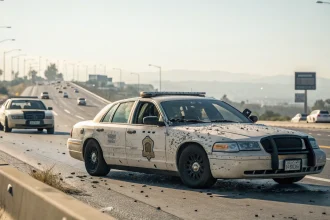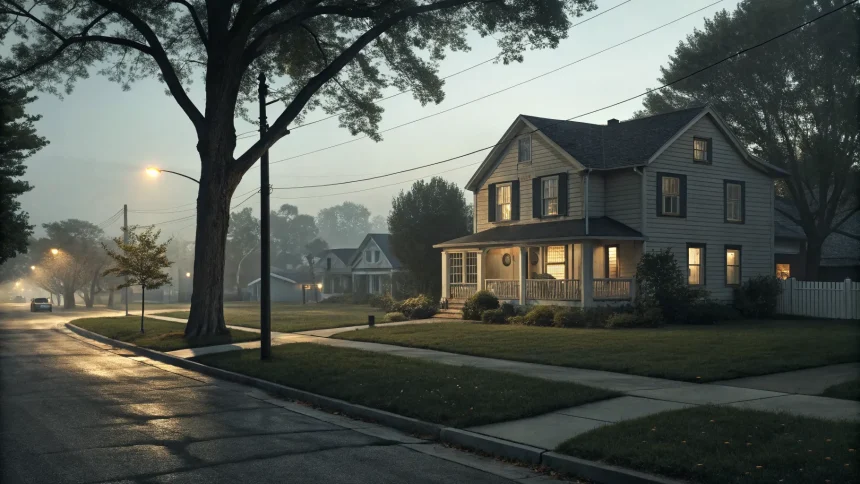
Eleven days after a nearby resident reported someone “smashing” on her door, Spencer and Monique Tepe were discovered dead inside their Columbus home, raising hard questions about missed alerts and how fast help should come when neighbors call for it.
Authorities are examining the earlier report and the events that followed. The deaths, confirmed by officials this week, have unsettled a quiet pocket of Columbus and left neighbors asking whether an urgent knock signaled a crisis that slipped past the system.
The Report That Preceded the Tragedy
According to a nearby resident who contacted authorities, an unidentified person banged on her door less than two weeks before the bodies were found. She described the encounter as violent and alarming.
“Someone was smashing on my door,” the resident told authorities.
That report now anchors the timeline. Investigators are working to learn whether the late-night disturbance was connected to what happened inside the Tepes’ home and if a faster follow-up could have changed the outcome.
Reconstructing the Timeline
Officials have not released a formal cause of death or a complete sequence of events. What is known is brief but troubling: an urgent call from a neighbor, no public indication of an arrest, and two people later found dead in their home.
- Day 0: A nearby resident reports aggressive banging at her door.
- Day 11: Spencer and Monique Tepe are found dead in their Columbus residence.
Whether officers responded in person to the initial report, and how they assessed the risk, remains unclear. Those answers will help determine if procedures were followed or if gaps in response played a role.
Community Fear and Frustration
The deaths have put residents on edge. People living close by say they are double-checking locks and lighting porches at night. With few details released, speculation has grown, and so has worry about possible ongoing danger.
Neighbors also want clarity on what happens after a call like the one 11 days earlier. How are disturbance reports logged? When do they prompt a welfare check? And who gets notified if there is a possible link to a specific address?
Procedures Under the Microscope
Police and emergency dispatch systems often triage calls based on immediate threat, caller safety, and available units. Disturbance reports vary widely, and not all lead to knock-and-talk visits or follow-up checks.
Public safety experts generally point to three pressure points that can shape outcomes:
- How the 911 call is described and coded by dispatchers.
- Whether units are available for prompt response or follow-up.
- If the call links to a known address or prior incidents.
In this case, the time gap will draw focus. Investigators will likely review any recordings, officer logs, and CAD notes to see how the initial report was handled and whether additional steps were warranted.
What Happens Next
As the probe continues, authorities are expected to release more information on the causes of death and any suspects, if identified. They may also address whether the initial door-banging report triggered a case number, patrol check, or neighborhood alert.
For now, residents want reassurance that when a neighbor hears a dangerous knock, the system answers decisively. The Tepes’ deaths, framed by a troubling early warning, have become a test of that promise.
The most important takeaways are stark. A warning was made. Two people are gone. The questions in the middle will decide whether policies change and how fast. Look for updates on the timeline, any link between the disturbance and the deaths, and what adjustments, if any, local agencies make to disturbance-call protocols. Those answers could shape how future warnings are handled—and whether the knock at the door gets the response it demands.