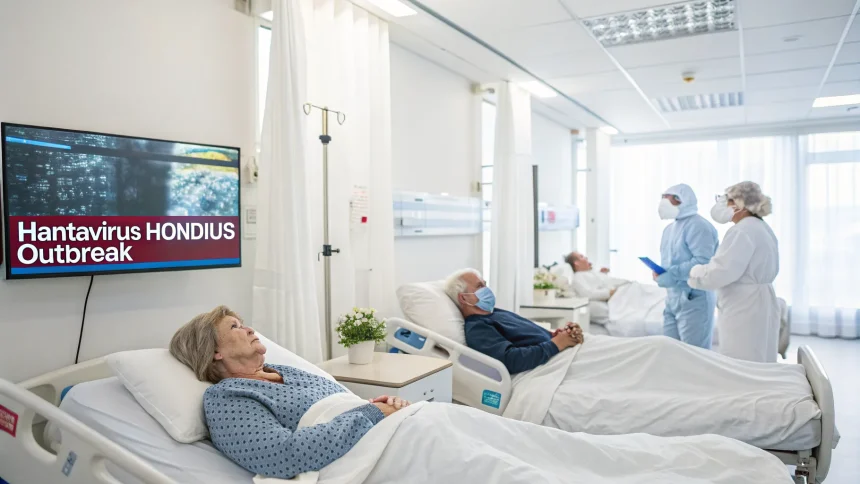
Most of the American passengers from the cruise ship Hondius have arrived in Omaha for medical care, as health officials there move to contain a hantavirus outbreak linked to the vessel anchored in Spain. The update, reported Monday, set a cautious tone while laying out immediate steps to protect patients, staff, and the public.
Authorities said the ship remains in place while passengers and crew are monitored and tested. In Omaha, clinicians are assessing symptoms and running confirmatory tests. Officials stressed that the situation is fluid but manageable with standard infectious disease protocols.
Health officials provided an update from Omaha, Nebraska, after most of the American passengers aboard the hantavirus-stricken cruise ship Hondius arrived there for medical treatment. NBC News’ Daniele Hamamdjian reports on the steps being taken by health officials to ensure containment, as well as the status of the ship itself, which is anchored in Spain.
What We Know So Far
The group transferred to Omaha includes passengers who may have been exposed while aboard the Hondius. Their arrival consolidates medical oversight at a major treatment center with high-level isolation capacity. Officials have not yet released case counts or the severity of any confirmed infections.
Hantavirus is carried by certain rodents. People can be exposed through contact with urine, droppings, or saliva, often in enclosed spaces. In North America, person-to-person spread is considered very rare. Symptoms can begin with fever and fatigue and may progress to serious lung or kidney problems.
Because early signs can look like flu, clinicians are using a broad screening approach. That includes symptom checks, lab tests, and imaging when needed. The strategy is aimed at finding any severe cases early and preventing further exposure.
Containment Steps in Omaha
Officials described a layered plan to keep the virus from spreading within healthcare settings or the community. Hospitals have activated infection prevention protocols that are standard for suspected hantavirus exposure.
- Isolation rooms for symptomatic patients under evaluation
- Protective gear for staff during all patient contact
- Environmental cleaning with disinfectants effective against hantaviruses
- Contact tracing to identify close contacts who may need monitoring
The aim is to limit any chance of secondary exposure while maintaining regular hospital services. Officials also urged the public not to seek testing unless advised by a clinician, to avoid straining capacity.
Status of the Hondius in Spain
The Hondius remains anchored as authorities manage the situation on board and at ports. Maritime and health officials are coordinating to determine next steps for crew and any remaining passengers.
Quarantine, sanitation, and staged disembarkation are common tools used in such cases. The timeline will likely hinge on test results, the health of those still aboard, and clearance from local and national regulators.
Why Hantavirus Demands Careful Handling
While hantavirus infections are uncommon, they can be severe. Past cases in the United States have been linked to rodent exposure in cabins, barns, and storage areas. Rapid identification and supportive care can improve outcomes.
Experts say cruise environments add complexity because passengers share air, dining, and excursions. That calls for thorough cleaning of cabins and common areas, along with clear communication to travelers and staff.
Public health agencies often advise simple steps that lower risk in affected regions: seal gaps where rodents enter, use wet cleaning methods to avoid stirring dust, and wear protection when cleaning areas with droppings.
Balancing Caution With Perspective
Officials in Omaha described the risk to the wider public as low, given the current protocols. The focus remains on those with known exposure and any symptomatic individuals under care.
Hospitals routinely manage high-consequence infections with similar precautions. The more disciplined the process, the less chance for spread. That is the playbook now in use.
What To Watch Next
Key developments in the days ahead will include confirmed test results, the condition of the patients in Omaha, and decisions about the Hondius and its crew. Any change in guidance for travelers or ports will likely follow.
For now, the message from health officials is steady: remain alert, follow medical advice, and let containment teams do their work. The response in Omaha will be an important case study in how to manage rare but serious infections linked to travel.
If the protocols hold and no secondary transmission appears, attention will shift to ship decontamination and safe return-to-service steps. If new cases emerge, health agencies may widen monitoring. Either way, the next week will tell the story.