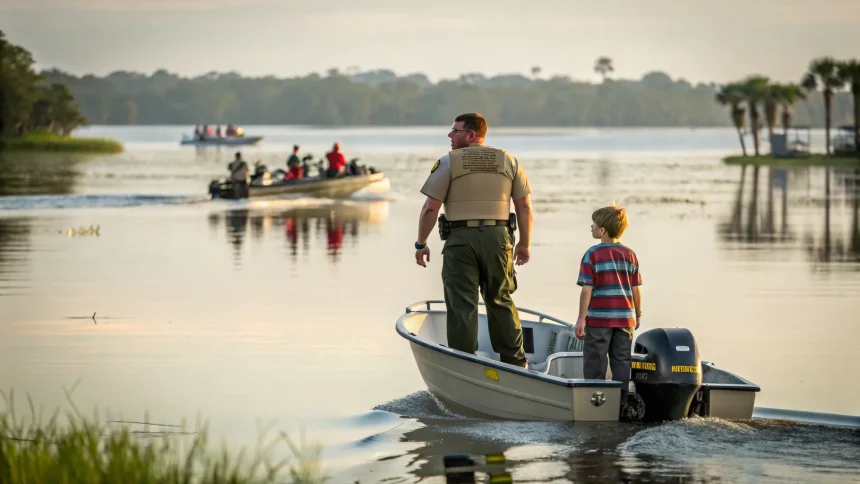
A family outing on a Florida lake turned into a high-stakes rescue, as six people were pulled to safety by a coordinated response involving marine and air units. The operation, led on the water by a father-and-son team of law enforcement officers, brought quick relief and no reported serious injuries, according to an initial account of the incident. The rescue, carried out recently on a lake in Florida, highlights how split-second coordination can make the difference when things go wrong on the water.
What Happened on the Lake
Authorities organized a joint response from the air and on the water after distress was reported. A patrol boat steered by a father-and-son officer duo reached the family, while aerial support helped guide the team to the right spot and monitor conditions. The incident took place on a lake, where shifting weather and crowded weekend traffic can complicate rescues.
“A family of six were rescued on a lake in Florida by a coordinated effort from water and air with a father, son officer duo at the helm by boat.”
Officials did not disclose further details, including the ages of the family members or the cause of the emergency. But they emphasized that timing, communication, and clear roles between units helped bring everyone home safely.
Why Joint Air-and-Water Rescues Matter
Florida’s waterways are some of the busiest in the United States. With warm weather most of the year and millions of registered vessels across the state, local agencies often plan for multi-unit responses. Helicopters and fixed-wing aircraft can survey hazards, relay coordinates, and keep crews informed about wind, waves, and oncoming traffic.
Marine units then handle the hands-on work: pulling people aboard, stabilizing boats, and transporting victims for medical checks. The blend of aerial oversight and on-water skill can shrink response times and cut confusion in crowded or remote areas.
Background: A State on the Water
Florida typically records the highest number of recreational boating incidents each year, according to the U.S. Coast Guard’s annual summaries. The reasons are straightforward: more boaters, longer seasons, and popular inland lakes that draw families and anglers alike. Local sheriffs’ offices, state wildlife officers, and city marine patrols train for scenarios ranging from mechanical breakdowns to capsizing and sudden storms.
The family’s rescue fits a pattern that safety officials cite often. Emergencies can escalate quickly on calm-looking water. Even close to shore, a stalled engine, heat stress, or a small squall can put groups at risk, especially when children are involved.
The Human Factor: A Family Team at the Helm
The father-and-son team steering the rescue boat stood out. Agencies say family members who serve together often bring strong communication and shared training habits to field work. That can improve decision-making when seconds count. While the officers’ names were not released, the dynamic shows how experience and trust can shape outcomes on chaotic calls.
Rescuers also credit consistent drills. Cross-briefings between pilots, dispatchers, and boat crews create muscle memory for roles, gear, and signals. That kind of practice can turn a difficult search into a swift recovery.
What This Means for Boaters
The incident is a reminder that prevention is simpler than a rescue. Officials stress basic steps that cut risk on inland lakes and coastal waters alike.
- Wear life jackets that fit, especially for kids.
- Check weather and wind forecasts before launch.
- Carry a charged VHF radio or reliable signaling device.
- File a float plan with a friend or family member.
- Keep an eye on fuel, battery levels, and engine health.
These habits give rescuers more time and better information if trouble strikes. They also help families avoid preventable calls for help.
Looking Ahead
With peak boating season bringing heavier lake traffic, agencies are likely to stage more joint exercises and refresh response playbooks. Air assets can be costly, but they reduce search windows and improve safety for crews and the public. The balance of investment and readiness will be a key discussion for county budgets over the next few months.
The rescue offers a simple takeaway: preparation, coordination, and steady hands save lives. For the family of six, that meant a safe ride back to shore. For everyone else planning a day on the water, it is a cue to double-check gear, set clear plans, and respect changing conditions. Expect more visible patrols and quicker multi-unit mobilizations on busy weekends—welcome sights when minutes matter.