Vivek Ramaswamy is pitching an Ohio-first campaign for governor, telling voters he will cut costs, raise wages, and improve schools across the state. In recent remarks, the biotech entrepreneur and former presidential contender framed education and energy as the anchors of his plan, seeking to define a race that will shape Ohio’s economic direction ahead of 2026.
Ramaswamy, who grew up in Ohio and built a national profile during the 2024 presidential primaries, is now narrowing his message to kitchen-table concerns. He says the path runs through cheaper energy, stronger local industry, and classrooms that prepare students for work and life. Supporters see a business-minded recalibration; skeptics want proof the numbers add up.
An Ohio-Centered Pitch on Costs and Pay
Ramaswamy ties inflation, wages, and energy together. He argues that cheaper power can revive manufacturing and ease family budgets. He also links vocational training and school quality to higher lifetime earnings and regional growth.
“Lower costs, bigger paychecks and better schools,” he said, outlining his plan for Ohio.
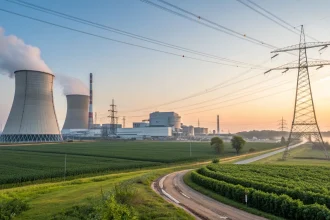
Ohio’s economy is diverse, from autos and aerospace to polymers and agriculture. Energy is a major input for heavy industry and data centers, which have expanded across the Midwest. Natural gas from the Utica shale and a growing buildout of solar projects have put the state at the center of debates about grid reliability, siting rules, and how to balance affordability with cleaner generation.
Political strategists say an energy-first argument can resonate where utility bills and factory competitiveness matter. But they note that fuel markets, federal incentives, and regional grid policies limit what any governor can do alone.
Education Promises Meet Long-Running Debates
Ohio has wrestled for years with how to fund schools fairly, boost reading and math outcomes, and expand career pathways. Urban and rural districts face different pressures, from teacher retention to transportation. The state also expanded school choice, sparking disputes over dollars leaving traditional systems.
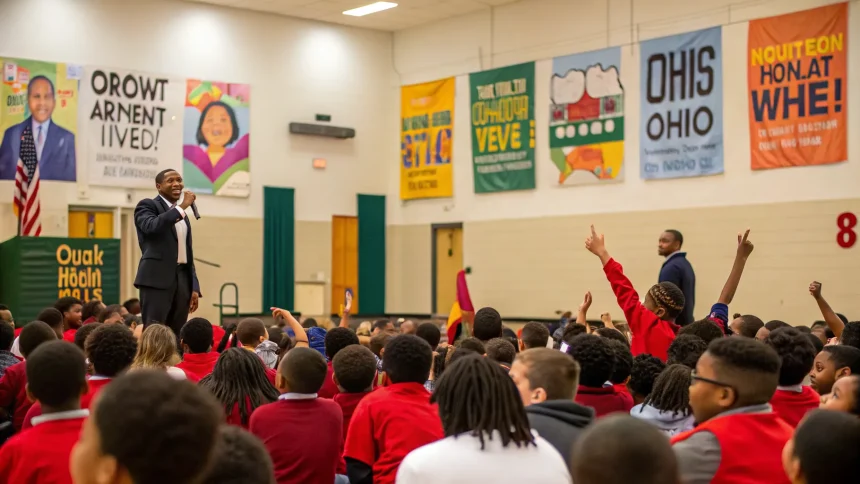
Ramaswamy places education near the top of his agenda. He points to skills training and local control as ways to raise outcomes without new bureaucracy.
He said his campaign will focus on “Ohio-specific issues like education and energy.”
Education advocates will look for details on teacher pipelines, early literacy, and dual-enrollment programs. Business groups tend to favor more apprenticeships and partnerships between high schools, community colleges, and employers. Any plan will face budget trade-offs and district-level differences in needs.
Energy Policy: Costs, Reliability, and Jobs
Ohio’s grid sits in a regional market where power prices swing with fuel costs and weather. Natural gas plants supply a large share of electricity, while solar and wind have grown amid debates over siting rules. Nuclear and coal still play roles in reliability planning.
Ramaswamy signals support for policies that keep energy affordable for families and factories. The campaign’s focus suggests the following priorities would be central to any plan:
- Streamline permits for in-state energy projects that meet safety and environmental rules.
- Support transmission upgrades to cut congestion costs.
- Encourage industrial power contracts that reward efficiency and load management.
- Align workforce programs with the needs of power producers and grid contractors.
Consumer advocates will press for safeguards on utility spending and transparency. Environmental groups will push for cleaner power and stronger pollution controls. Manufacturers will emphasize reliability during peak demand and price stability for long-term planning.
What Voters Will Watch For
Ramaswamy’s message is simple; the execution is not. Voters will likely ask how he pays for new training programs, which regulations he would change, and how he would measure progress on student outcomes and utility bills.
Fiscal conservatives will seek tax clarity. School leaders will want to know whether funds shift among districts or programs. Energy developers and local officials will look for predictability in siting and permitting, given community concerns and land-use rules.
Analysts say any governor’s success on these issues depends on partnerships with the legislature, utilities, school boards, and employers. Federal grants and regional grid policies will also shape timelines and costs.
Ramaswamy’s bet is that a tight message on costs, pay, and schools can cut across party lines in a state with deep manufacturing roots. His early framing puts education and energy at center stage. The next phase will hinge on detailed proposals, coalition-building, and proof that households can feel the change on their monthly bills and in their children’s classrooms.