A temporary halt in hostilities between the United States and Iran has brought a measure of calm, yet the calm is uneasy. Reports describe families sending voice messages from affected areas, mourning loved ones and voicing fear about what comes next. The pause arrives after deadly exchanges that shook communities and strained already tense ties. While the guns are quiet for now, people closest to the violence worry the silence will not last.
ABC News correspondent Britt Clennett said that messages from the ground reflect grief and apprehension. Civilians are counting losses and asking whether leaders on both sides can hold the line. The ceasefire’s terms have not been made public. Officials have not detailed how long it will last or what steps will follow.
A Pause Amid Grief
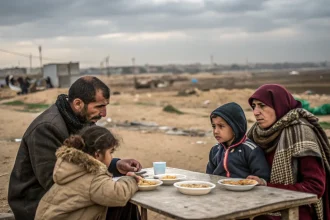
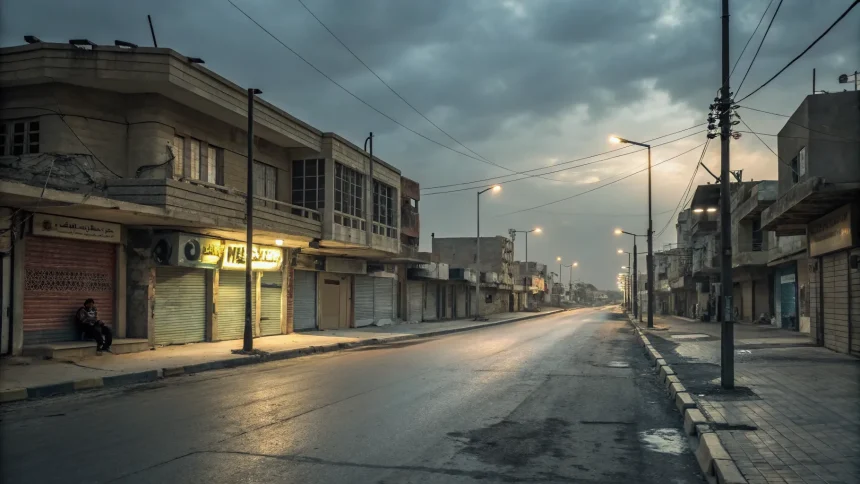
Residents described a mix of relief and dread, according to accounts shared with reporters. Families are burying the dead and checking on the missing. Some have returned to damaged homes to gather documents and medicines. Others shelter with relatives, afraid to travel on open roads.
Humanitarian groups say that a pause can make aid delivery possible. They caution that late arrivals, blocked routes, and security checks slow help when it is most needed. Doctors worry about dwindling supplies. Parents worry about food and water. Teachers worry about students who have not shown up for days.
Wider Context And Risks
U.S.-Iran tensions have flared for decades. Past flashpoints include the 1979 hostage crisis, sanctions tied to Iran’s nuclear work, and confrontations in the Gulf. Diplomatic efforts have risen and fallen with changes in leadership and regional events. Ceasefires and de-escalation steps have appeared before, but they often proved short-lived without broader political agreements.
Analysts note three factors that often shape whether a truce holds:
- Clear communication channels between military and political leaders.
- Credible monitoring to verify compliance and reduce misread signals.
- Follow-on talks that address core disputes, not just immediate triggers.
Any halt in fighting intersects with regional concerns. Neighbors watch for spillover. Shipping and energy markets react to risk. Diaspora communities raise alarms about reprisals and arrests. Allies and partners urge restraint while preparing for the possibility of renewed strikes.
Signals From Both Sides
Officials in Washington tend to pair calls for calm with warnings that they will respond to attacks on personnel or assets. Iranian leaders often insist on sovereignty and push back against foreign presence in the region. Each side talks to domestic audiences that expect strength and red lines. That makes public compromise difficult even during a pause.
Clennett reported that people living near recent strikes fear a return to violence. Their messages stress safety for children, access to clinics, and freedom of movement. They want clarity from leaders about what the ceasefire covers and how violations will be handled. They also ask who will speak for them at any negotiating table.
Humanitarian Needs And Next Steps
A ceasefire offers a short window to meet urgent needs. Medical evacuations can resume. Power and water crews can reach damaged sites. Aid groups can pre-position supplies. Without coordination, however, the window narrows fast.
Policy experts argue that practical steps can reduce risk of a slide back into conflict:
- Set up a hotline for incident prevention to avoid miscalculation.
- Agree on safe corridors for aid convoys and ambulances.
- Publish clear ground rules so local officials and civilians know what is allowed.
- Invite neutral observers to log and report alleged violations.
Markets, too, look for signals. A durable pause can ease shipping insurance costs and steady energy prices. A breakdown can trigger sharp swings. Businesses with exposure in the region plan for both outcomes.
What Could Break The Truce
History shows that spoilers thrive in foggy conditions. A single rocket, a drone misfire, or a misread patrol movement can spark retaliation. Militias and hardliners who oppose talks may try to provoke a response. Social media amplifies claims before facts are verified.
To guard against this, both sides need timely verification and rapid deconfliction tools. They also need messages that prepare their publics for restraint, even when anger runs high. Civilians described by Clennett want fewer threats and more details. Their grief is fresh. Their patience is thin.
The current pause has offered a chance to count the dead and tend to the living. Its future depends on discipline, transparency, and a plan that moves beyond the last exchange of fire. If leaders can create space for talks and protect aid, the quiet may hold. If not, the voices now sharing fear and loss may soon be recording the next round of strikes. Observers will watch for concrete steps in the days ahead: clear rules, monitored corridors, and steady channels that keep a fragile peace from shattering.