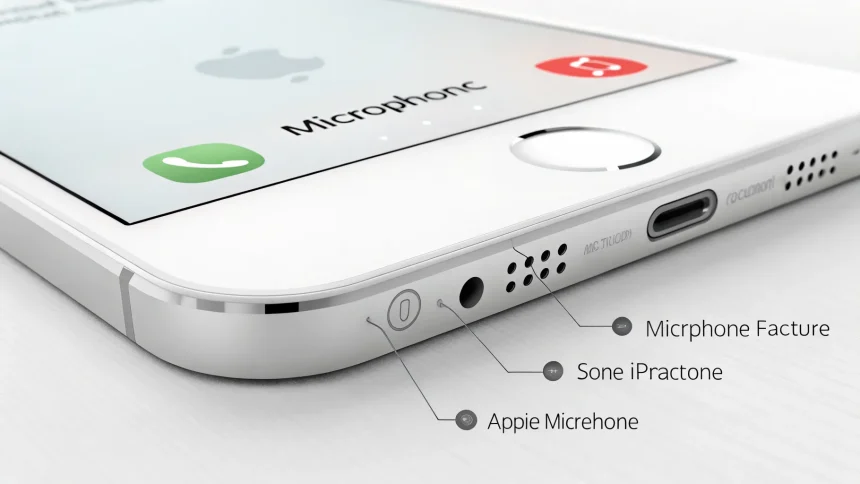
Apple users may soon be able to claim cash from a proposed $95 million settlement tied to Siri and voice recording practices, a case drawing national attention for its privacy stakes. The settlement, once finalized by the court, would resolve claims that Siri captured and stored audio in ways users did not fully expect. Consumers want to know who qualifies, how to file, and when payments could arrive.
The filing is part of a wave of privacy cases that have targeted large tech firms over voice assistants. While final details will depend on court approval, users can prepare now by reviewing eligibility, gathering records, and learning the claim process.
What Sparked the Case
Complaints about voice assistants surged after reports in 2019 that human reviewers listened to some assistant recordings to improve accuracy. Apple later paused its review program and shifted to an opt-in model for audio grading. The company has said it reduces data tied to users and deletes some recordings to address privacy risks.
Class-action cases argue that users did not receive clear notice when devices captured audio. The proposed $95 million figure signals the scale of interest in the issue and the size of the customer base.
Who May Be Eligible
Eligibility will be defined by the settlement agreement and the court’s approval order. Typical criteria in voice assistant cases include:
- Ownership or regular use of an eligible Apple device with Siri enabled during certain dates.
- Location in specified states or nationwide, depending on the class definition.
- No exclusion due to employment with Apple, related entities, or the court.
Exact dates, devices, and locations will appear on the official settlement website and in court-approved notices. Users should wait for those documents before submitting a claim.
How to File a Claim
Once the court grants preliminary approval, a claims website typically goes live with a form and instructions. Most cases follow this pattern:
- Find the official settlement website listed in court notices.
- Confirm eligibility by reading the long-form notice.
- Complete the online claim form before the posted deadline.
- Provide any requested proof, such as an Apple ID, device serial number, or statements showing use during the class period.
- Choose a payment method, usually digital wallet, direct deposit, or check.
Claim deadlines often run 60 to 120 days after notice distribution. Late claims are usually rejected, so set reminders.
How Much You Could Receive
Individual payouts depend on the number of valid claims, lawyers’ fees approved by the court, and any administrative costs. Payments are often prorated. If claims are high, per-person amounts fall. If claims are low, payments rise. The settlement administrator will provide an estimated range after approval.
What Documents to Gather Now
Preparation can save time when the portal opens. Consider gathering:
- Your Apple ID and associated email address.
- Device details, such as model and serial number.
- Proof of purchase or activation if available.
- Any records showing Siri use dates, such as settings screenshots.
Privacy Changes and Industry Impact
The case reflects growing pressure on tech firms to limit data collection and improve consent. After 2019, Apple shifted to an opt-in system for audio grading and added on-device processing for some tasks to reduce data sent to servers. Privacy advocates say clear controls and deletion options help rebuild trust. Industry rivals have faced similar claims and have also updated disclosures and settings.
For users, the key question is whether voice assistants now provide plain-language choices and store less data by default. Regulators in the United States and Europe continue to watch these tools closely. More settlements or new rules could follow if concerns persist.
How to Avoid Scams
Class-action cases attract impostor websites. To protect yourself:
- Use only the link listed in official notices or the court docket.
- Do not pay to file a claim; real claims are free.
- Never share passwords or two-factor codes on a claims site.
“How to get your piece of Apple’s $95 million Siri privacy settlement.”
Next steps hinge on the court schedule. Watch for preliminary approval, then official notices with the claim window and final hearing date. Read the notice carefully, file on time, and keep a copy of your submission. The settlement, if granted final approval, would mark another step in the broader push for clearer consent in voice technology and could shape how assistants handle sensitive data in the years ahead.