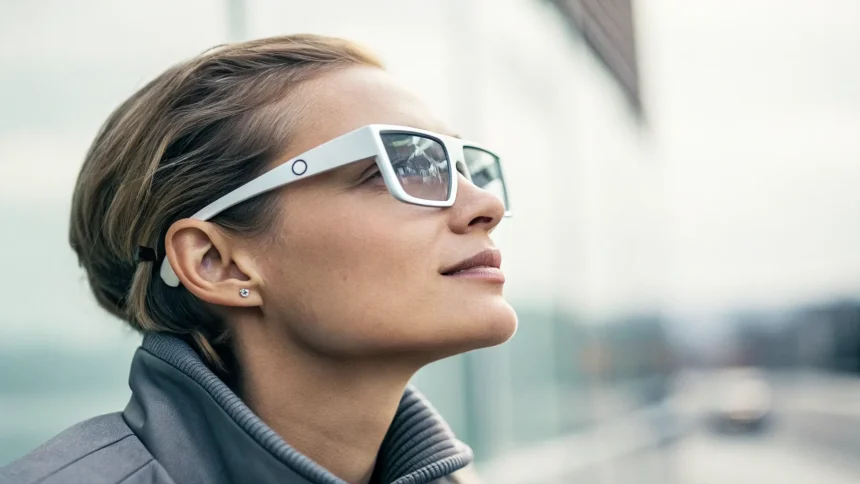
Meta is doubling down on wearability, calling its latest smart glasses the company’s most comfortable design yet and positioning them for all-day use. The announcement signals a push to fix one of wearables’ toughest problems: keeping people comfortable enough to actually wear them for hours at a time.
The company says the glasses are engineered for long stretches without pressure points or fatigue. The claim arrives as consumer tech firms race to make face-worn devices feel more like regular eyewear, not a gadget on the face.
Comfort Moves to Center Stage
Smart glasses have long promised hands-free capture, quick access to assistants, and audio on the go. Yet adoption has stalled whenever devices feel heavy, warm, or awkward. Meta appears to be addressing that barrier head-on by stressing fit and day-long comfort as core features, not afterthoughts.
Meta said the glasses are “the most comfortable ones it has ever designed,” built for “all-day comfort.”
That message lands after years of trial and error across the industry. Early concepts, from camera-first eyewear to mixed-reality headsets, often drew interest but proved hard to wear for extended periods. Weight, hinge pressure, battery placement, and heat management have been common complaints from early users across brands.
Design Choices That Matter
While Meta did not share full technical details alongside the comfort claim, design changes that often improve wearability include slimmer temples, lighter materials, and better weight balance across the nose and ears. Even small shifts can have an outsized effect over a workday or a long commute.
Considerations that typically influence comfort include:
- Frame weight and even weight distribution
- Nose pad shape and pressure management
- Temple clamping force and hinge flexibility
- Heat from processors and batteries
- Fit options across different face shapes
For eyewear that also houses speakers, microphones, or cameras, the challenge is to hide the tech without adding bulk. If Meta has reduced pressure or heat while maintaining features, it could make day-to-day use far more appealing.
Why Wearability Could Decide Adoption
Analysts often note that comfort translates directly to usage. If a device is pleasant to wear, people are more likely to keep it on during routines such as walking, commuting, or working from home. That, in turn, increases the chances users will discover value in features like voice assistance, hands-free photos, or quick translations.
There are trade-offs. Larger batteries extend runtime but can add weight. Cameras add capability but raise privacy questions in public spaces. Open-ear audio is convenient yet can leak sound. Meta’s emphasis on comfort suggests the company is looking for a practical balance rather than raw feature counts.
Industry Context and Consumer Expectations
Comfort-focused messaging mirrors a wider trend. Tech companies have learned that wearables live or die by the small details: a pinch on the nose bridge, a hotspot near the temple, or glasses that slip during a jog. Incremental gains can shift behavior from short demos to all-day wear.
Meta’s push also aligns with its broader investment in on-the-go AI and connected assistants. If the glasses remain on a user’s face longer, voice features and quick-capture tools have more chances to be used. That would help the company collect feedback, refine software, and build habits that stick.
What to Watch Next
Key questions remain as the glasses reach more users. Will comfort hold up during summer heat or long video sessions? Do the frames fit a wide range of faces, including those who need prescription lenses? And can the company deliver steady software updates without draining the battery or warming the temples?
Shoppers will likely compare them with past models and rival products on a few basics: comfort after two hours of wear, whether they stay in place during light activity, and how they feel to users with smaller or larger head sizes.
For Meta, the comfort claim sets a clear bar. If everyday use matches the promise, the glasses could move from occasional gadget to daily accessory. If not, even strong features may struggle to offset fatigue or pressure points.
Meta’s message is simple: these glasses are meant to be worn, not just tried. The next phase will show whether the design delivers on that goal and whether wearers keep them on from morning to night.