A six-month ceasefire has eased some pressures on Palestinians in Gaza, offering short pauses from violence while daily life remains strained by displacement and aid limits. The truce, now at the half-year mark, has kept large-scale fighting at bay but left families struggling with scarce supplies and uncertain futures as Israeli controls on assistance continue.
The halt in hostilities followed months of intense conflict, which destroyed homes, damaged clinics, and pushed many residents into temporary shelters. Aid groups describe a quieter front but warn that recovery is far off. Israeli officials, citing security threats, have kept close oversight of aid flows, arguing that restrictions are needed to prevent weapons smuggling and diversion.
Relief Tempered by Ongoing Hardship
The ceasefire, in effect for the past six months, has brought some reprieve to Palestinians in Gaza despite continued hardship, displacement and Israeli restrictions on aid.
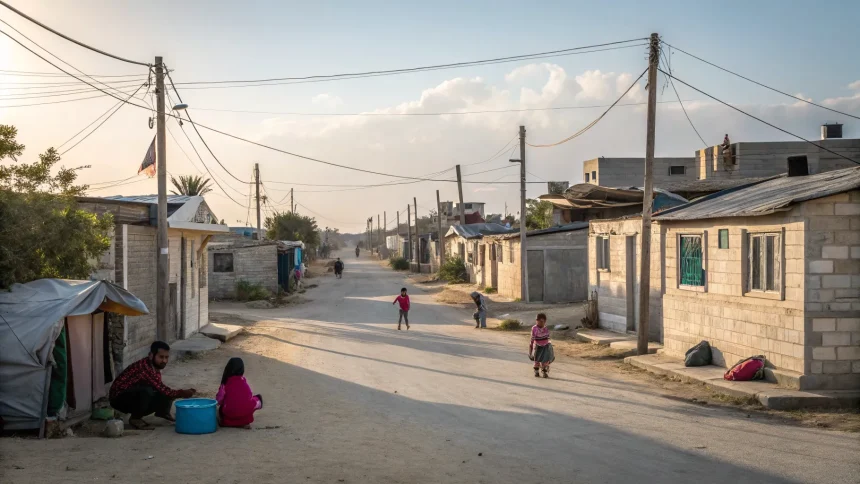
This snapshot captures the mixed reality on the ground. Many families have returned to damaged neighborhoods to salvage belongings, while others remain in crowded shelters. Power cuts are frequent. Food, clean water, and medicine are unevenly available. Schools and clinics operate, but at limited capacity.
Aid organizations report more regular convoys than during active fighting, yet they say demand still far exceeds supply. Checkpoints, inspection delays, and narrow crossing windows slow delivery. Israel maintains that screening prevents armed groups from rearming and protects civilians on both sides of the border.
Aid Access and Bottlenecks
Humanitarian teams describe a patchwork system that depends on negotiated access and security clearances. Even small procedural changes can ripple through the pipeline for days. Storage space, fuel availability, and safe distribution points remain weak links.
- Some clinics receive intermittent shipments of antibiotics and trauma supplies.
- Water trucks reach neighborhoods on rotating schedules.
- Shelter materials move in, but not fast enough to meet need.
Israeli officials say they have opened additional inspection lanes at crossings and increased monitoring to speed essential goods. Aid groups counter that unpredictable closures and item-specific bans disrupt planning.
Displacement and Daily Life
Displacement continues to shape life under the ceasefire. Families share tight spaces with limited privacy. Parents describe children who wake at night, anxious about the future. Community leaders try to rebuild routines with pop-up classes and neighborhood cleanups.
Markets have reopened in some areas, but prices are high and stock is thin. Local farmers struggle with damaged irrigation and limited access to fields. Fishermen face restrictions offshore. Small businesses operate on short hours due to power cuts and scarce fuel.
Security Concerns and Political Stalemate
The truce has not delivered a political settlement. Talks over detainees, border controls, and reconstruction rules remain fragile. Israel insists that any long-term arrangement must ensure it can intercept weapons and block tunnels. Palestinian representatives and civil groups call for freer movement, full restoration of services, and a clear plan for rebuilding.
Analysts say both sides have strong incentives to avoid a return to large-scale fighting. Yet absent a wider agreement, even small incidents could threaten the calm. Diplomatic efforts continue in regional capitals, but produce incremental steps rather than breakthroughs.
What to Watch Next
Gaza’s recovery will depend on predictable aid access and a stable security framework. Experts point to several signals that could shape the next phase.
- Consistent, faster inspection procedures for food, fuel, and medical supplies.
- Agreements that protect civilian infrastructure from renewed damage.
- Plans for schooling, livelihoods, and housing that match the pace of returns.
The ceasefire has reduced immediate danger for many families. Yet relief remains partial, and progress is fragile. Without a durable political track and broader access for humanitarian work, the gains of the past six months could fade.
For now, residents navigate a narrow path between calm and crisis. The coming weeks will test whether the truce can evolve into something more stable, or whether Gaza will slide back into emergency. Policymakers, aid providers, and community leaders will watch the crossings, the talks, and the streets—hoping that quiet can hold, and that recovery can finally begin.