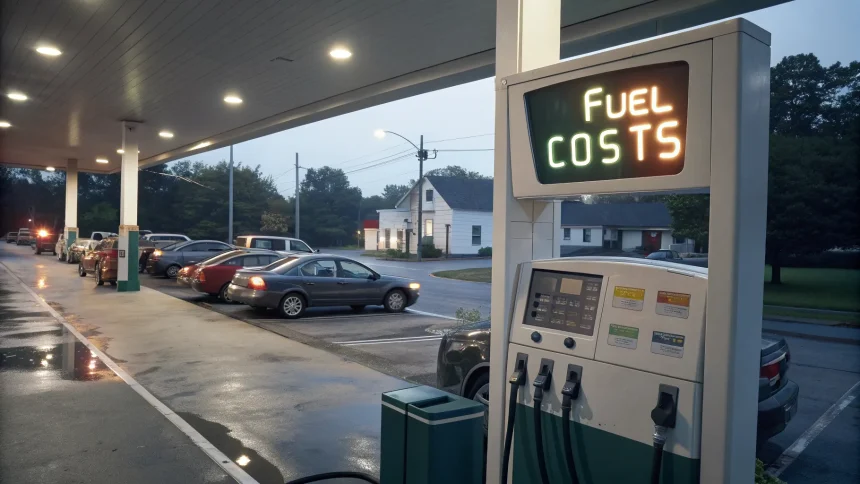
As drivers watch the numbers climb at the pump, a familiar debate is back: do U.S. decisions on Iran spark higher gas prices, or are markets to blame? Across the country, fuel costs have edged up in recent weeks, frustrating commuters and recharging arguments over who, or what, is responsible.
The issue flared after a claim that a decision by former President Donald Trump to attack Iran drove the latest surge. While emotions are running high, energy analysts say the story is more complex. Oil markets react to risk, but they also respond to supply, demand, and refinery operations.
The Claim and the Frustration
“Many Americans are feeling the pain at the pump from Trump’s decision to attack Iran.”
The statement captures a raw mood. It also compresses years of tension into a single cause. Iran-related shocks have rattled oil markets before. Prices spiked after the U.S. strike that killed Iranian General Qassem Soleimani in January 2020, though the jump was brief. Sanctions on Iranian oil exports have tightened global supply at different times, sometimes lifting prices.
Yet fuel costs rarely move on one headline alone. Crude benchmarks, refinery capacity, seasonal blends, and shipping constraints all nudge prices. Even when geopolitics light a match, the market decides how far the flame spreads.
What Is Actually Pushing Prices Higher
Energy data point to a mix of pressures, some global and some local. Oil traders add a “risk premium” when conflict threatens supply routes like the Strait of Hormuz. That can lift Brent and West Texas Intermediate futures within hours.
- Crude costs: When global oil rises, gasoline follows, usually with a short lag.
- Refinery issues: Planned maintenance or outages can pinch supply in certain regions.
- Seasonal demand: Summer driving and summer-grade fuel add cost.
- Taxes and transport: State levies and pipeline bottlenecks sway local prices.
Analysts note that a $10-per-barrel increase in crude can add roughly 20 to 25 cents to a gallon of gasoline. If tensions with Iran lift crude even modestly, drivers feel it soon after. But prices often ease once fears cool.
The Politics of Blame
Gas prices are political dynamite. Leaders get credit when they fall and heat when they rise. Linking a single decision to a national price spike is tempting and tidy. It is also risky.
Energy economists caution against drawing straight lines from one action to one outcome. Sanctions, military strikes, or threats can tighten supply expectations. Still, OPEC+ policy, U.S. shale output, and demand from Asia may outweigh any one headline.
There is also timing. Policy shocks move markets fast, but fundamentals reassert themselves. After prior flare-ups with Iran, prices often retreated within days or weeks.
How Oil Markets React to Conflict
Oil markets trade on fear and facts. Fear moves prices first. Facts move them farther or pull them back. The Middle East holds key supply and shipping lanes, so any hint of disruption can add costs.
Case studies from the past decade show a pattern. Drone strikes on Saudi facilities in 2019 caused a sharp, short spike. The Soleimani strike lifted prices briefly, then they fell as supply proved steady. Traders watch inventory data from the U.S. and reports from OPEC+ to measure real strain.
That feedback loop can make prices look erratic. But the rule is simple: if barrels are missing, prices stay high. If barrels keep flowing, fear fades.
What to Watch Next
Consumers are asking what comes next. The answer depends on both diplomacy and diesel. If tensions ease and shipments stay safe, crude could drift lower. If threats widen, the premium could stick.
Watch these signals:
- Shipping security: Any disruption near the Strait of Hormuz.
- OPEC+ decisions: Production cuts or increases.
- Refinery throughput: U.S. utilization rates heading into summer.
- Inventory reports: Weekly U.S. stock levels for crude and gasoline.
For drivers, small steps help. Use fuel apps, plan routes, and consider off-peak fill-ups. Those moves will not beat a global oil rally, but they can trim the sting.
For now, the takeaway is measured. Tensions with Iran can lift prices, sometimes fast. But the pump reflects many forces at once. Blame travels quicker than barrels. Markets decide the rest.