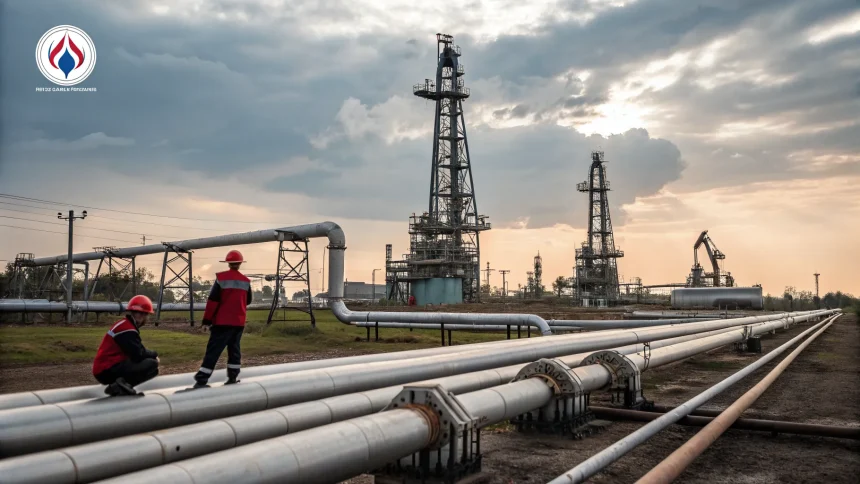
Mounting unrest across the Middle East has rattled energy markets and pushed policymakers to prepare for a record drawdown of strategic oil reserves to blunt a sharp fuel price shock. Officials are weighing emergency steps as supply fears ripple through shipping routes and trading hubs, with consumers and businesses bracing for higher costs.
The effort is aimed at stabilizing prices and preventing shortages during a period of geopolitical risk. Energy agencies and finance ministries are coordinating on contingency plans while watching shipping flows and refinery output. The stakes are high, with echoes of the price spikes that gripped the 1970s.
The conflict has spread across the Middle East and prompted plans for a record release of strategic oil reserves to dampen one of the worst fuel shocks since the 1970s.
Why Strategic Reserves Matter
Strategic petroleum reserves were built to cushion supply shocks and buy time for markets to adjust. Governments can draw barrels from storage to offset disruptions and calm panic buying. Past releases have been used during wars, natural disasters, and major outages, often in coordination among allies to maximize impact.
Energy analysts note that reserve releases are a short-term tool. They can add supply for weeks or months, but they do not fix long-term deficits if production stays offline. Their success depends on market confidence, the size of the release, and the speed of delivery to refineries and end users.
Market Reaction and Consumer Impact
Traders are watching key shipping lanes and export terminals for signs of bottlenecks. Any closure or insurance squeeze on tankers can lift freight costs and slow deliveries, pushing prices higher even if physical barrels remain available. Refiners face higher input costs and may pass them on to wholesale fuel buyers.
For households, the first hit usually shows up at the pump and in utility bills. For businesses, higher fuel costs can raise freight rates and squeeze margins, especially in transport, farming, and manufacturing. Central banks will track how energy costs feed into inflation and whether they risk stalling growth.
How a Record Release Could Work
Officials discussing a large-scale release face practical choices: the volume, the timetable, and how to replace stocks later. A faster, front-loaded draw can shock prices lower but risks depleting buffers too quickly. A phased approach may steady markets longer, but it could have a smaller immediate effect.
- Volume: bigger draws can move prices, but drain reserves.
- Timing: rapid releases calm panic; phased draws aid stability.
- Refill plan: buying back later may be costly if prices stay high.
Energy logisticians also need to match crude grades from reserves with refinery needs. Mismatches can reduce the benefit if plants must adjust operations or blend different oils to maintain output.
Competing Views on the Risks
Supporters of a large release argue that swift action can break a price spiral and stop hoarding. They say visible government barrels reassure markets and deter speculation. They also contend that preventing a fuel price spike is worth the drawdown, even if stocks must be rebuilt later at higher prices.
Critics warn that tapping reserves too aggressively may leave countries exposed if the conflict broadens or lasts longer than expected. They caution that a temporary price dip could fade quickly if supply losses deepen, making it harder to manage future shocks. Some also fear that frequent use of reserves dulls the incentive to invest in production and efficiency.
Historical Parallels and What’s Different Now
Past crises showed that coordinated action can steady prices, but outcomes varied with the scale of disruption. Today’s market is shaped by new factors: larger shale output in some regions, tighter spare capacity in others, and more complex shipping insurance and finance rules. These forces can speed or slow the effect of emergency barrels reaching consumers.
Officials are also more attuned to energy security beyond oil, including gas supplies, power grids, and strategic minerals. A fuel shock can ripple into these systems, complicating the policy response.
As plans advance, the key signals to watch include the size and pace of any announced draw, shipping conditions in and around critical straits, and refinery run rates. If reserve oil flows smoothly into the market and conflict risks ease, prices could stabilize. If disruptions intensify, further steps—such as demand conservation measures or expanded coordination—may follow. The next days will show whether an emergency release can cool a heated market without draining the safety net needed for the challenges ahead.