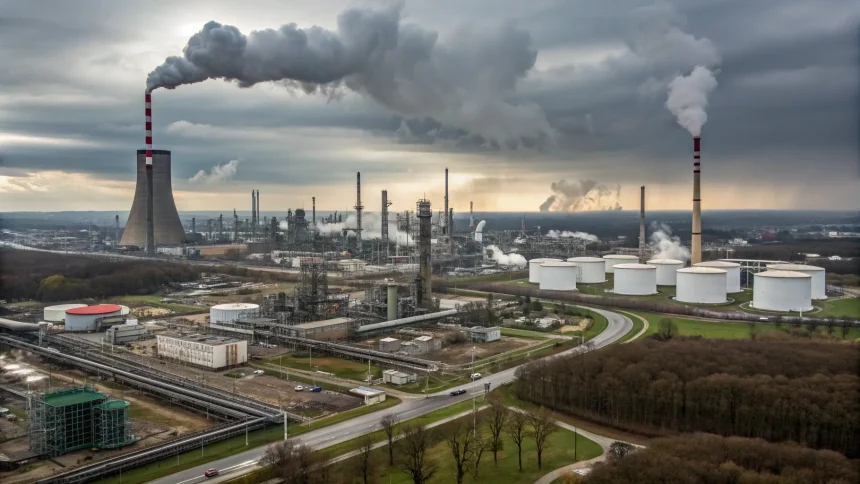
A sprawling chemical park in eastern Germany, built up during the Cold War, has become a test case for Europe’s energy strain. As factories cut output and juggle fuel sources, the site shows how higher prices and supply shocks still ripple through core industries across the continent.
The complex, located in the former East Germany, relies on steady gas, steam, and power to run ammonia, plastics, and specialty chemical units. After pipeline flows from Russia fell in 2022, operators faced sudden cost spikes and uncertainty about the next winter. Plant managers, workers, and regional officials have tried to keep production stable while planning for a different energy future.
A Cold War chemical park in Germany shows how vulnerable Europe is in an era of energy insecurity.
An Industrial Giant Built on Cheap Fuel
The park grew during the 20th century under state planning, with networks that tie many plants to shared utilities. That setup brings scale, but it also creates a single point of failure when gas or steam costs jump. Before 2022, affordable pipeline gas supported energy-intensive units like ammonia and methanol. Those products feed fertilizers, plastics, and coatings used across Europe.
Industry leaders say that model has been under pressure since the supply shock. German chemical production fell in 2022 and 2023, according to industry data, as companies paused units and shifted imports. Some firms trimmed investment plans or redirected spending to regions with cheaper fuel.
Shock After Pipeline Flows Fell
When Russian gas deliveries dropped, wholesale prices soared and volatility increased. The park’s integrated system magnified those swings. If a utility plant faced high input costs, it passed through to every connected line. Operators say even short disruptions forced careful load management. In some weeks, they maintained only essential output to meet long-term contracts.
Managers describe a new routine: hourly price checks, rapid switching between fuels where possible, and constant talks with grid operators. Several units that rely on hydrogen from natural gas cut back or imported intermediates instead. That kept customers supplied but reduced local activity.
Scramble for Alternatives and Their Limits
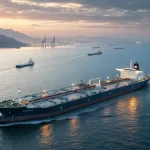
Europe has built new LNG capacity and filled storage faster than many expected. Germany opened floating terminals on the coast to replace lost pipeline volumes. Yet distance from ports raises costs for inland hubs. Transport, regasification fees, and congestion add to the final price paid by chemical sites far from the sea.
Engineers at the park have explored electrifying some processes and adding more heat recovery. They have also tested co-firing with fuel oil or biomass for steam. But deep cuts to gas use in core units remain hard without new reactors and infrastructure. Full redesigns could take years and billions of euros.
- Short-term fixes: fuel switching, demand response, and imports of intermediates.
- Medium-term steps: power grid upgrades, heat pumps, and more on-site renewables.
- Long-term shifts: new hydrogen routes and carbon capture for high-heat processes.
Workers, Communities, and the Policy Response
The chemical park anchors thousands of jobs across central Germany. Local officials warn that prolonged high energy costs could push investment abroad, thinning the tax base and service jobs. Unions have called for stable prices and support for modernization to avoid layoffs.
European and German measures have helped. Emergency caps, storage mandates, and joint gas buying reduced the worst volatility. State aid frameworks now allow targeted relief for energy-intensive firms. Yet executives argue that predictable, lower-cost energy is still needed to restart idled capacity and commit to new projects.
What to Watch Next
Energy markets have eased since the peak in 2022, but uncertainty persists. A cold winter, LNG outages, or shipping constraints could lift prices again. Meanwhile, the push to decarbonize adds both cost and opportunity. If cheap, low-carbon hydrogen becomes available at scale, the park could rebuild on a cleaner base. If not, more units may shift abroad.
As one manager put it during site tours, reliability now matters as much as price. The chemical park’s future will depend on how quickly Europe can add firm power, expand grids, and secure flexible gas and hydrogen supplies. Its struggles offer a clear early warning for other inland industrial hubs.
The lesson is stark: rebuilding energy security is a long project, not a single winter’s work. The German complex shows the stakes for industry, workers, and Europe’s climate plans. Watch for how policy translates into pipes, wires, and new reactors on the ground. That progress will decide whether plants restart at scale—or keep running in cautious, stop-start mode.