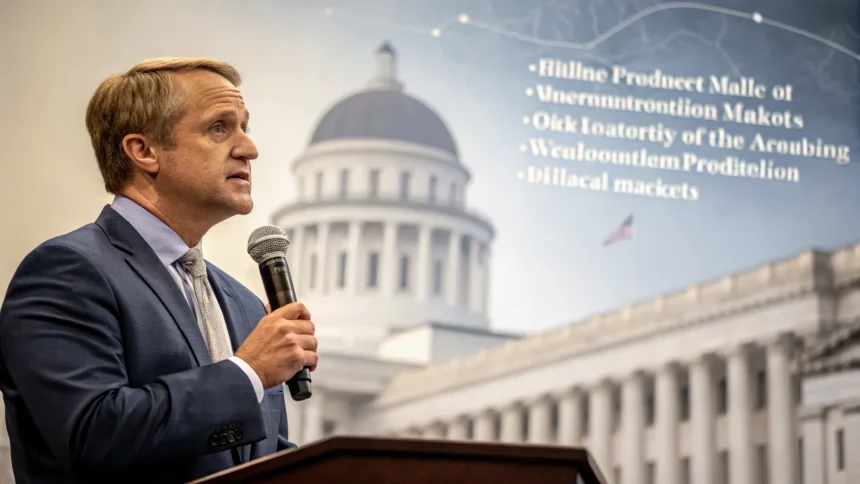
Ohio Attorney General David Yost is sounding an alarm over the rapid rise of online prediction markets, arguing they look too much like gambling and may need tighter oversight. His remarks reflect growing concern among state and federal officials about platforms that let users wager on outcomes of elections, economic data, and pop culture events.
Yost’s comments arrive as regulators and lawmakers weigh how to classify and police these platforms. The debate centers on whether these markets help forecast real-world events or simply invite unregulated betting. The answer could shape how they operate in Ohio and across the country.
What Are Prediction Markets?
Prediction markets are websites or apps where users buy and sell contracts tied to future events. If the event happens, the contract pays out. If not, it expires worthless. Prices move with public expectations, creating a real-time gauge of sentiment on topics like elections, inflation, or sports awards.
Supporters say the markets crowdsource information that can beat polls or pundits. Critics see little difference from conventional wagering, especially when users can profit or lose money quickly. The systems are simple and social, which can draw large audiences and rapid growth.
Regulators Tighten Their Focus
State officials, including in Ohio, are watching for consumer risks and possible clashes with gambling laws. Ohio permits sports betting and casino gaming under strict licensing and consumer protection rules. But many prediction platforms operate outside state frameworks, raising questions about age checks, advertising to minors, and disclosures about risk.
At the federal level, the Commodity Futures Trading Commission (CFTC) oversees certain event-based contracts. The agency has moved to block some election-focused products and is considering new guardrails for event markets tied to politics, sports, and public figures. These steps suggest a more cautious approach to products that look like retail betting rather than hedging or price discovery.
Yost’s Warning
“These ‘prediction markets’ have exploded and look an awful a lot like gambling,” Ohio Attorney General David Yost said.
His view echoes a common refrain among state attorneys general: if a product walks and talks like gambling, it should follow gambling rules. That includes licensing, problem-gambling safeguards, clear odds and fees, and tools to limit losses.
Supporters See Benefits, Critics See Risks
Advocates for prediction markets argue that market-driven forecasts can sharpen public understanding of uncertain events. They point to academic research showing that real-money markets can be more accurate than surveys under certain conditions. Some users also view small-stakes trading as entertainment.
Opponents worry about problem gambling, political manipulation, and erosion of trust in elections. They argue that financial incentives could amplify misinformation or create perceptions that outcomes are bought or influenced. Consumer groups also question whether users understand fees, liquidity risks, or how markets can swing on rumors.
- Consumer protection: age verification, deposit limits, and clear disclosures.
- Election integrity: concerns about betting on candidates or policy outcomes.
- Market fairness: transparency on pricing, liquidity, and conflict controls.
Ohio’s Legal Questions
Ohio’s gambling laws draw lines between regulated betting and other forms of speculation. Sportsbooks and casinos operate under licenses, audits, and responsible gaming rules. Prediction platforms often sit outside that system, forcing state lawyers to decide whether these activities meet the legal definition of gambling.
If Ohio classifies them as gambling, platforms could face enforcement or be required to seek licenses and adopt strict safeguards. If not, they might continue to grow with lighter oversight, provided they avoid deceptive marketing and protect users from fraud.
What to Watch Next
Several developments could shape the market’s future. Federal rulemaking on event contracts could set nationwide limits for political or other sensitive markets. States, including Ohio, may issue guidance clarifying whether prediction markets fall under gambling statutes. Platforms, for their part, may add stronger identity checks, location controls, and responsible gaming tools to address regulators’ concerns.
Yost’s warning signals that the window for operating in a legal gray area may be closing. The next steps—whether enforcement actions or new rules—will likely determine if prediction markets mature under tighter guardrails or get pushed to the sidelines.
For now, users and operators should expect closer scrutiny. Clearer rules could bring stability, but they may also limit the kinds of markets available. The policy choices made in Ohio and Washington will set the tone for how much risk, and how much forecasting value, the public is willing to accept.