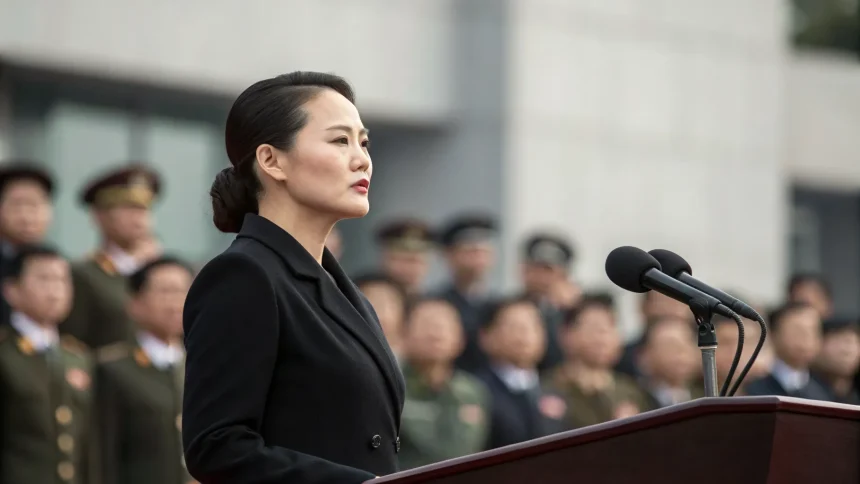
North Korean official Kim Yo Jong issued a sharp warning Tuesday, criticizing joint U.S.-South Korea military exercises that began this week and linking them to Washington’s wider military focus. Her remarks followed the launch of the 11-day Freedom Shield exercise, which involves thousands of troops across the Korean Peninsula. The comments signal Pyongyang’s continued resistance to allied training and raise fears of new missile tests or other displays of force.
Kim’s statement arrived as Seoul and Washington started large-scale drills they describe as defensive. It also referenced U.S. operations elsewhere, a sign North Korea aims to cast the exercises as part of a broader American military posture. The remarks set up another tense period on the peninsula as both sides emphasize readiness and deterrence.
Background on the Freedom Shield Exercise
The Freedom Shield exercise is a regular spring event held by South Korea and the United States. It combines computer-simulated command post drills with field training. Officials in Seoul say the goal is to improve joint defense against North Korea’s nuclear and missile threats. U.S. military leaders have long said the drills are routine and proportionate.
Pyongyang has denounced such training for years, calling it a rehearsal for invasion. North Korea often pairs these periods with weapons tests, including short-range ballistic launches and demonstrations of new systems. Analysts note that these moves allow Kim Jong Un’s regime to protest the drills, test capabilities, and rally domestic support.
Kim Yo Jong’s Warning and Framing
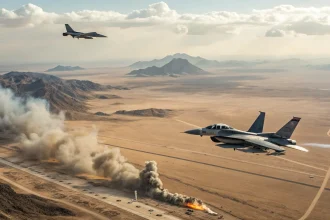
“Kim Yo Jong’s statement Tuesday came a day after the allies started their 11-day Freedom Shield exercise involving thousands of troops, while Washington also wages an escalating war in the Middle East.”
The reference to the Middle East appears aimed at portraying the United States as overextended and militarily aggressive. North Korea often uses such comparisons to argue that allied training is destabilizing. While U.S. and South Korean officials dispute that claim, the message plays to Pyongyang’s long-standing narrative of self-defense.
Kim Yo Jong, the sister of leader Kim Jong Un and a senior party official, has become one of the regime’s most prominent voices. Her statements frequently set the tone for North Korea’s next steps, from missile launches to diplomatic freezes. Observers track her language closely for signals of planned activity.
Seoul and Washington Emphasize Deterrence
Officials in Seoul say the exercises are tailored to counter evolving threats, including cruise missiles, submarines, and cyber attacks. The allies also highlight trilateral cooperation with Japan, which has grown since 2023. That cooperation includes improved missile warning and data sharing to better track North Korean launches.
U.S. and South Korean leaders argue that training reduces the risk of miscalculation by ensuring clear command and control. They also say regular drills are essential for readiness under the mutual defense treaty. Any pause in such training, they contend, would invite risk at a time of rapid weapons development by Pyongyang.
Rising Tempo and Regional Risks
North Korea has accelerated weapons testing in recent years, unveiling new short-range systems designed to evade missile defenses. It has also tested cruise missiles and claimed progress on solid-fuel ballistic missiles. These moves complicate interception and shorten response times, raising anxiety in Seoul and Tokyo.
Analysts warn that overlapping exercises, missile tests, and harsh rhetoric can create feedback loops. One side seeks to signal strength; the other interprets that as provocation. This pattern often peaks during major drills, when North Korea looks to showcase capabilities and the allies aim to demonstrate resolve.
What to Watch Next
- Whether North Korea conducts missile tests or artillery firings during the 11-day exercise.
- Any shifts in allied training, including air or naval deployments, that might draw a response.
- Signals from Pyongyang’s top officials hinting at talks or additional military steps.
Diplomatic channels remain limited, with sanctions and weapons advances hardening positions on both sides. Still, experts say crisis lines, message clarity, and steady rules of engagement can help contain risks during the exercise window.
Kim Yo Jong’s remarks place fresh pressure on an already tense moment. The allies are unlikely to scale back planned training, and Pyongyang may answer with tests meant to seize headlines. The coming days will show whether this cycle repeats or if both sides manage the standoff without new flashpoints. For now, readiness and signaling define the period, while the chance of miscalculation remains the key concern.