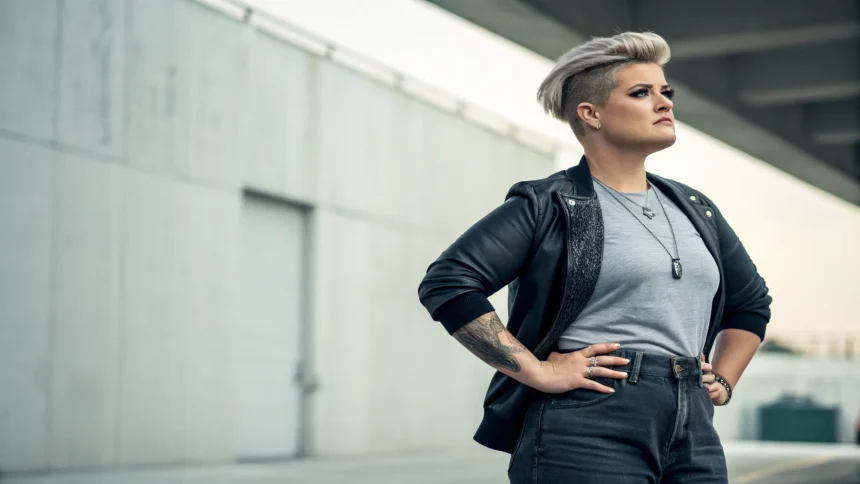
Kelly Osbourne has called out online abuse aimed at her appearance, reigniting a debate over body shaming and the culture of public comment on celebrity bodies. The TV personality and singer, speaking out on social media, argued that picking apart someone’s looks misses the point when they are showing strength and honesty.
Her comments arrive as social media platforms wrestle with harassment policies and users push for healthier ways to talk about body image. The moment taps into a wider struggle many public figures face: how to share personal milestones without inviting a pile-on.
The Comment That Sparked Debate
“Dissecting someone’s appearance instead of honouring their courage” is cruel, she said, urging critics to rethink what they choose to highlight.
Osbourne’s statement is short, sharp, and personal. It lands at a time when fans praise candor about health, sobriety, parenting, and self-worth, while others keep score on weight, skin, and style with surgical precision. For women in the public eye, that double standard is stubborn. Judgments can switch—from “too thin” to “let yourself go”—in a single scroll.
Why This Hits a Nerve
Body shaming is not new, but the speed and reach of social media amplify it. Surveys from respected research groups have found that about four in ten Americans have faced some form of online harassment. Women, especially younger women, report higher rates of comments about appearance.
The pattern is familiar. A celebrity posts a photo or video. Compliments flow in. Then come the digs, framed as “concern” or “just being honest.” The subject becomes a referendum on aesthetics, rather than the message the person hoped to share.
Advocates for digital well-being say this kind of commentary can affect mental health, feeding anxiety and depressive symptoms. Therapists note that repeated jabs about looks can stick, even for seasoned performers used to attention. The target might start tailoring their life to avoid criticism—skipping events, hiding in baggy clothes, or staying offline.
A Public Life Under a Microscope
Osbourne has lived much of her life on screen. From reality TV fame to music and fashion, she has been open about personal challenges. That openness has won her fans who value honesty. It has also brought relentless scrutiny.
Celebrities often sit at the center of culture wars over bodies—fit, curvy, post-baby, or post-surgery. The pressure to “bounce back” after life changes, or to maintain a single look forever, is unrealistic and unfair. Osbourne’s point is simple: when someone shows courage, nitpicking their looks is the wrong takeaway.
Platforms, Policies, and Personal Responsibility
Major platforms have rules against harassment. Enforcement, however, is uneven. Reporting tools exist, but high-volume accounts can be swamped by comments before moderators act. Critics of stricter rules warn about overreach and free speech. Others argue that abuse drives people off platforms, chilling speech in a different way.
- Users can set filters to block keywords and limit who comments.
- Creators can appoint moderators and hide replies that cross a line.
- Platforms can improve detection of targeted dogpiles and repeat offenders.
None of these steps remove the basic choice each user faces: whether to weigh in on someone’s looks at all. Osbourne’s challenge turns the mirror back on audiences, asking them to value courage over cosmetic critique.
The Bigger Picture: Culture and Change
There are signs of progress. Body-positive movements have widened the frame of what is seen as acceptable and beautiful. Fashion and media have added more sizes and styles to campaigns. Yet the old standards cling on, especially in comments sections where snark scores quick attention.
Researchers studying media effects say representation matters, but so does tone. When public conversation rewards empathy, people follow. When it rewards ridicule, that spreads too. Osbourne’s line about “honouring courage” offers a reset button for how fans, critics, and casual scrollers respond to vulnerability.
What To Watch Next
Osbourne’s remarks will likely resonate with other performers who have made similar pleas. Expect more public figures to speak up when comment threads turn nasty. Pressure will continue on platforms to balance free expression with safety tools that actually work.
For now, the clearest next step sits with users. If someone shares a moment of bravery, resist the reflex to grade their jawline, waist, or outfit. Ask what they are trying to say. Then decide if your reply adds light or just more heat.
Osbourne’s message lands with force because it reframes the conversation: courage is the headline, not the cheekbones. That’s a standard worth trying—online and off.