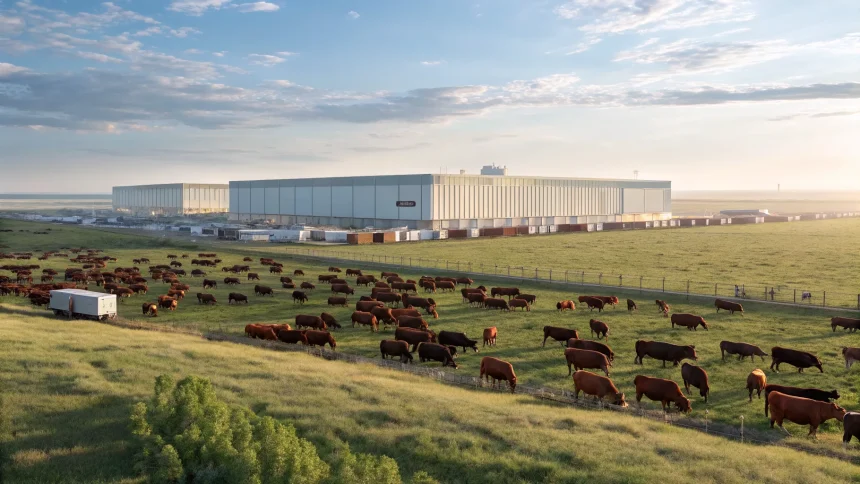
A recent policy move to expand imports of Argentinian beef has placed the White House at odds with U.S. cattle ranchers, complicating an outreach campaign meant to ease tensions. The decision pits a promise to support rural producers against pressure to lower grocery prices for families. It sets up an early test of credibility with a key bloc that has long felt squeezed by market forces and federal policy swings.
A Balancing Act on Trade and Prices
Beef prices have strained household budgets. The administration has looked for ways to add supply and take the edge off inflation at the meat counter. Increasing imports is one lever. The policy broadens the flow of foreign beef into the U.S. market, with the aim of improving availability and, possibly, moderating prices.
That decision carries a political cost. Many ranchers heard promises of support, not more foreign competition. The move is being read less as trade strategy and more as a broken pledge to rural communities.
“The president’s effort to make nice with cattle ranchers is off to a shaky start after he undercut them by boosting Argentinian beef imports.”
Ranchers See a Broken Promise
Producer groups say more imports threaten local herds by pushing down cattle prices. They argue that small and mid-sized operations are most exposed when cheaper beef enters the market. Several ranchers describe thin margins, rising feed costs, and higher financing expenses that leave little room for a price dip.
They also see symbolism. Outreach tours, roundtables, and farm visits matter less, they say, if policy moves cut into their bottom line. One rancher put it bluntly in a public forum: gestures do not pay the feed bill.
What the Administration Says
Officials defend the decision as a consumer-first step. They argue that more supply can ease price spikes, reduce shortages, and steady a market hit by droughts, plant disruptions, and transportation snags. Supporters add that diversified sourcing can cushion shocks that raise prices for shoppers.
The White House also points to separate efforts it says will help producers. These include investments in meat processing capacity, enforcement of fair competition rules, and incentives for climate-smart practices. The message: relief for families today can coexist with longer-term gains for ranchers.
Economic Stakes for Consumers and Producers
The policy faces a basic tension. Cheaper imports can bring down retail prices. But they can also pressure the prices paid to domestic producers. How the balance plays out depends on volumes, timing, and how packers pass savings through the chain.
Analysts note that U.S. beef demand has been steady, and consumers show strong preferences for domestic cuts. Yet in a tight budget environment, even small price differences can sway shoppers. Ranchers worry that once imported volumes rise, it is hard to pull them back without a fight.
Retailers will watch margins and reliability. If imports help smooth supply and reduce volatility, large buyers will lean in. That could harden new trade flows and make them a fixture in the market.
Political Calculus and Rural Trust
The administration’s rural pitch centers on fair markets, infrastructure, and better access to credit. The import decision complicates that message. Critics cast it as choosing short-term price relief over local livelihoods.
Political strategists say the risk is less about any single decision and more about trust. Rural voters have long memories. If they conclude that outreach is more theater than policy, support will be hard to win back.
What to Watch Next
- Import volumes and timing: how much beef arrives, and when.
- Retail prices: whether shoppers see meaningful savings.
- Cattle prices: the effect on rancher revenues through the year.
- Labeling and transparency: how products signal origin to consumers.
- Offsets: new aid, competition rules, or processing grants for producers.
The policy may deliver modest price relief, but it carries clear political and economic trade-offs. Ranchers want proof that support is more than a slogan. The administration needs both lower grocery bills and rural goodwill. The next few months—import data, price trends, and any targeted help—will show whether both goals can stand together or whether this fight becomes another fault line in the food economy.