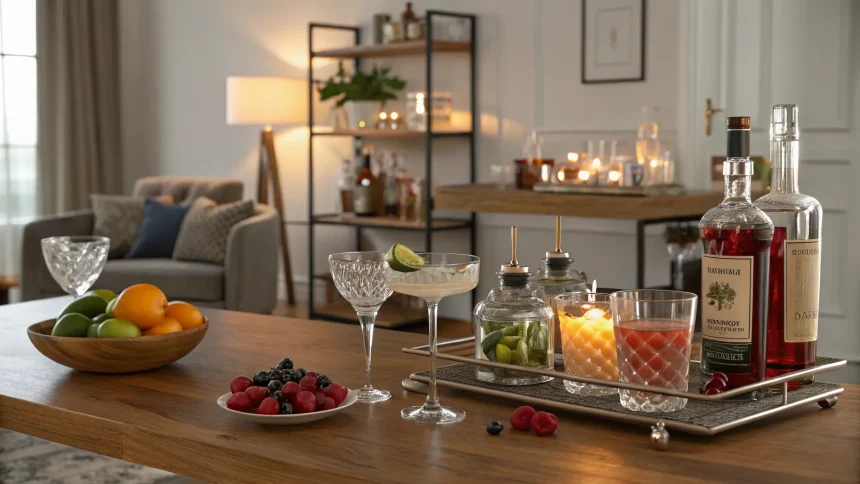
As dining rooms closed and kitchen tables turned into bars, at-home cocktails soared, reshaping how Americans drink and how restaurants survive. Across the country, restaurants leaned on takeout drinks to keep lights on, helped by temporary rule changes that now cover more than 30 states. The Distilled Spirits Council says the trend has sticking power, and many operators agree. The shift began during the pandemic and is still influencing menus and home bar carts.
“Cocktails are having a moment, and because of the pandemic, that moment is happening most often at home. Many restaurants have responded with cocktails to go, approved in more than 30 states,” said Elizabeth Karmel of the Associated Press, citing the Distilled Spirits Council.
How We Got Here
When indoor dining shut down, bars and restaurants needed new revenue fast. Food traveled well. Drinks, not so much. States stepped in, granting emergency permission to sell mixed drinks with takeout meals. That gave restaurants a new margin item and gave customers familiar flavors without the barstool.
The idea caught on quickly. Operators crafted sealed containers, to-go kits, and drink add-ons. Customers, spending more time at home, learned to shake and stir with confidence. Sales of shakers, jiggers, and recipe books rose as amateurs tried classics and house specials.
For many small businesses, to-go cocktails helped pay rent and keep staff on payroll. Even as dining rooms reopened, some states kept the policy. Others renewed it in fits and starts, weighing business needs against public health and safety concerns.
The New Normal for Restaurants
Restaurants report that carryout drinks work best when paired with food bundles and clear instructions. High-proof spirits are less practical than balanced, lower-strength serves. Think spritzes, margaritas, and old-fashioneds built to travel.
Packaging and rules matter. Labels, tamper-proof lids, and driver training became part of the job. Delivery partners adjusted to local laws. Some places required drinks to be stored out of reach in cars. Others limited serving sizes or set pickup-only rules.
- Margins: Cocktails offer higher profit than most entrees, vital during slow nights.
- Branding: Signature drinks build loyalty and repeat orders.
- Operations: Batch recipes help speed service and keep quality steady.
Inside the Living-Room Bar
Home drinkers traded the noisy bar for playlists and porch swings. Many sought simple recipes with five ingredients or fewer. They leaned on citrus, bitters, and a few core spirits. Interest in low- and no-alcohol options grew alongside classic mixes.
Instruction moved online. Step-by-step videos, digital classes, and QR codes guided technique. Clear, short recipes helped, as did pre-measured kits from restaurants. The result was a wave of more confident home bartenders.
Debate Over Safety and Policy
Supporters say carryout cocktails helped save jobs and gave customers safer options during health restrictions. Opponents worry about impaired driving and underage access. They also raise questions about open-container rules and public consumption.
Lawmakers have tried to split the difference with guardrails. Common measures include sealed containers, age checks at pickup, and bans on third-party delivery of mixed drinks in some areas. As states review emergency laws, the fight now is over what becomes permanent, what expires, and what gets reworked.
What Comes Next
Even as dining rebounds, habits have shifted. Customers expect flexible options: dine-in one night, takeout and a bottled negroni the next. Restaurants continue to fine-tune menus for both settings, balancing prep time, shelf life, and flavor.
Analysts point to a few likely trends: simpler drink lists that travel well, more spirit-free choices, and seasonal batches tied to holidays and events. For home bartenders, the focus is on easy upgrades—better ice, fresh juice, and quality mixers that lift a weeknight pour.
The bottom line is clear. Takeout cocktails started as a stopgap and became a steady lane for both businesses and consumers. The next chapter depends on state rules and customer demand, but the habit is set. Watch for lawmakers to revisit emergency measures, restaurants to refine packaging, and home bars to stay stocked. If the past few years proved anything, it’s that a well-made drink can find its way from bar to doorstep—and into the weekly routine.