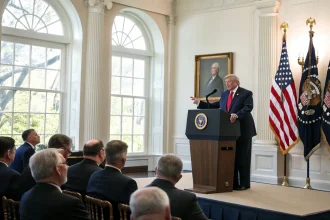
A key gambling regulator affirmed the integrity of recent sports wagering markets after a surge of bets tied to the Super Bowl, easing concerns among operators and bettors. The assurance came in the wake of record action on the championship game, which drew intense attention from sportsbooks, analysts, and consumer advocates. The decision, delivered shortly after the game, addressed fears that unusual volumes or pricing swings might signal irregular activity.
The regulator’s statement followed days of speculation about how the market handled a spike in live and pre-game betting. Sportsbooks reported heavy traffic, while trading teams adjusted lines throughout the weekend. For casual and seasoned bettors, the message suggested that systems designed to detect manipulation or suspicious patterns functioned as intended.
“Regulator’s affirmation follows an eyewatering level of wagers on the Super Bowl.”
Surge in Wagering Sets the Stage
Legal sports betting has expanded in recent years, and big events now attract massive handle and growing participation. Industry groups have reported higher engagement each season as more states allow regulated books to operate. The Super Bowl, already a peak for betting interest, produced a flurry of same-game parlays, in-game props, and real-time markets that moved quickly as the action unfolded.
Analysts say several factors drove the volume. Mobile access widened the audience. Promotions drew first-time users. And betting menus offered dozens of outcomes on every drive and player. Trading desks raised limits for select customers while tightening exposure on volatile props. The regulator’s review focused on whether pricing, settlement, and dispute processes kept pace with the flood of bets.
Industry observers pointed to market resilience during peak traffic. Systems stayed online, and most bets were graded on schedule. The affirmation suggests oversight tools flagged no systemic concerns. This implies that books adjusted lines and risk in a way the regulator viewed as consistent with policy and consumer protection standards.
What Regulators Reviewed
Regulators typically examine transaction logs, line movements, identity checks, and geolocation controls. They coordinate with sportsbooks’ internal integrity teams and third-party monitors. When volume spikes, they look for patterns that could hint at insider information, account takeovers, or coordinated betting on obscure markets.
- Line changes that do not track public information or game flow.
- Clusters of high-limit wagers from linked accounts.
- Unusual activity in low-liquidity props.
- Settlement disputes or delays that affect many users.
According to people familiar with the review, the market behaved within expected limits for a major event. That means swings reflected on-field events and typical bettor behavior, not manipulation. The regulator’s stance gives operators cover as they reconcile promotions and payouts, and it signals confidence in the checks that screened transactions.
Industry Response and Consumer Risks
Sportsbooks welcomed the finding. It reduces the chance of retroactive action that could unsettle results or hold back payments. Trading executives have argued that layered surveillance, sharp customer profiling, and real-time adjustments reduce room for misconduct.
Consumer advocates, however, urged caution. They warned that high-profile events carry higher risks of problem gambling. They called for clearer tools to track spend, easier self-exclusion, and fewer aggressive push notifications on game day. They also pressed for better disclosure on how books limit successful bettors, a practice that can shape market fairness.
Economists noted the game’s ripple effects extend past sportsbooks. Advertising, media rights, and sponsorship deals often spike around the Super Bowl. The flow of bets can affect future pricing models as operators learn which props drew action and where risk controls held up. That data will shape next season’s offers.
Trends to Watch
Analysts expect more live betting, with shorter windows and faster settlement. Books are likely to refine same-game parlays and tighten limits on props that proved vulnerable to sharp action. Regulators may ask for richer data feeds to spot anomalies earlier in the cycle.
The American Gaming Association has projected rising participation in legal markets as more states come online. Past estimates from the group suggested tens of millions of adults planned to engage with the Super Bowl through bets or pools. That trend puts pressure on both operators and watchdogs to keep systems stable and rules clear when volume spikes.
Some operators are testing new education tools. Simple budget caps, loss warnings, and time-outs can help casual users. Transparent dispute processes could also build trust if technical issues emerge during high-traffic moments.
The regulator’s affirmation signals that the market met its obligations this time. But as betting grows, the next test will be larger and faster. Operators and officials will need tighter coordination, better consumer tools, and clear standards for high-volume days.
For now, bettors can expect payouts to stand and promotions to settle along standard timelines. The episode offers one clear takeaway: oversight systems handled the surge. The focus now shifts to the off-season, where lessons from the Super Bowl will shape safeguards, product design, and enforcement. Expect further scrutiny on prop markets, identity checks, and responsible gaming tools before the next big kickoff.