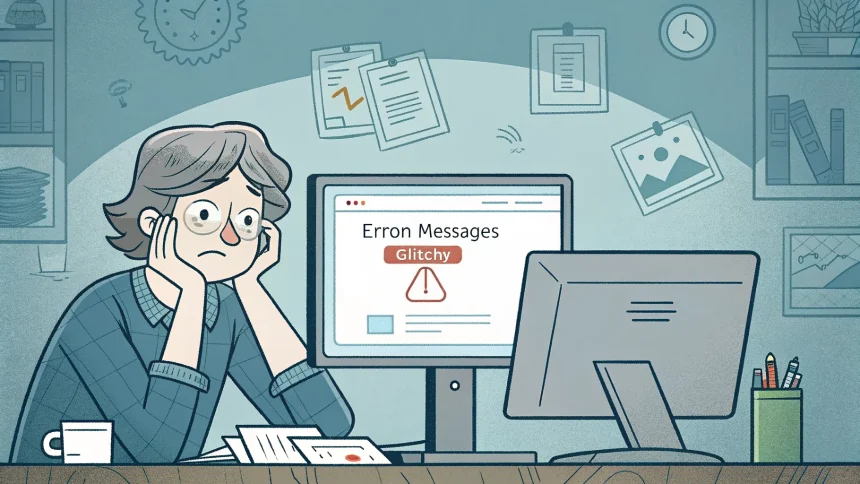
A short complaint from a user captures a wider problem facing buyers of new apps and tools. “Wish someone warned me about the software.” The remark, posted after a disappointing install, echoes a common chorus in homes and offices. Across devices and platforms, people report buggy updates, unclear pricing, and short support windows. The gap between glossy marketing and real-world use remains stubborn. That gap is pushing users to ask sharper questions about testing, refunds, and accountability.
How We Got Here
Software now touches most parts of daily life. Work, health, school, and payments all depend on it. That reach has grown as companies ship updates faster to meet demand and compete on features. Short release cycles can speed fixes. They can also push problems to users’ screens. When things break, the fallout can be costly in time, privacy, and trust.
Consumer law has not kept the same pace in many places. Warranty rules differ by country and product type. License agreements can be long and hard to read. Many people click “agree” to move on. They may miss limits on refunds, data sharing, or support. The pain often appears only after install, setup, or the first bill.
What Users Are Saying
“Wish someone warned me about the software.”
The sentiment is familiar to help desks and forums. People describe surprise charges after free trials end. Others report apps that slow devices or conflict with drivers. Some say they could not reach support when they needed it most.
Power users argue that pre-release notes and beta channels help. Casual users often do not read notes or join test programs. They expect products to work as marketed. When they do not, frustration grows fast.
Pressure on Developers and Vendors
Companies face their own bind. Speed matters in crowded markets. Security threats change fast. Shipping early can surface bugs sooner and allow quick fixes. But each broken feature chips away at trust. Rebuilding that trust takes longer than the next sprint.
Some vendors now stage releases to smaller groups before a full roll-out. Others publish clearer change logs and offer one-click rollbacks. Extended refund windows and “no questions asked” cancellations also help. These steps reduce friction and calm tempers. They also cost money and time, which not every team has.
Risk, Privacy, and Hidden Costs
The price of a bad install is not just cash. Lost files, exposure of personal data, or downtime can sting more. If a product requests wide device permissions, a flaw can open doors to attackers. People may not notice warning signs until damage occurs.
Common red flags include:
- Unclear pricing and auto-renew terms.
- Vague permissions at install.
- No public change log or support hours.
- Frequent crashes after updates.
- Pressure to pay before trying core features.
What Buyers Can Do Now
There are steps that reduce risk without adding much work. A quick scan of independent reviews can reveal patterns. Look for recent posts, not only launch hype. Check version history to see how often fixes ship and whether issues get resolved.
Before paying, test the free tier or a trial on a non-critical device. Back up data first. Note the refund terms and the exact date a trial ends. If the app asks for wide permissions, pause and ask why. Contact support with a pre-sale question to gauge response time and tone.
For teams, pilot the software with a small group before a company-wide roll-out. Keep a rollback plan and a point person for support. Document issues and share them with the vendor. Clear feedback often speeds fixes.
The Road Ahead
The market is moving toward clearer disclosures and safer defaults. App stores have added labels on data use and security practices. Some tools now show permission prompts in plain language. These steps help, but they do not replace careful choices by buyers or careful testing by sellers.
As more devices connect and more work shifts online, stakes will climb. People will keep demanding products that match their ads and protect their data. Vendors that ship with care, speak plainly, and stand by refunds will earn an edge.
The user who wished for a warning put the issue in simple terms. The best fix is not a louder warning. It is better software, clear terms, and support that shows up when it counts.