Darren Hayes, the Australian singer best known as the voice of Savage Garden, said doctors found skull fragments in his brain after a fall in 2025. He shared the update in a Sunday, Feb. 15 Instagram post, drawing concern from fans and raising fresh questions about head trauma and recovery.
Hayes did not share where the injury happened or how long he was hospitalized. But he described the discovery in stark terms, adding weight to a health scare that appears far from minor.
“[Doctors] found skull fragments floating around my brain,” Hayes wrote.
What We Know About The Injury
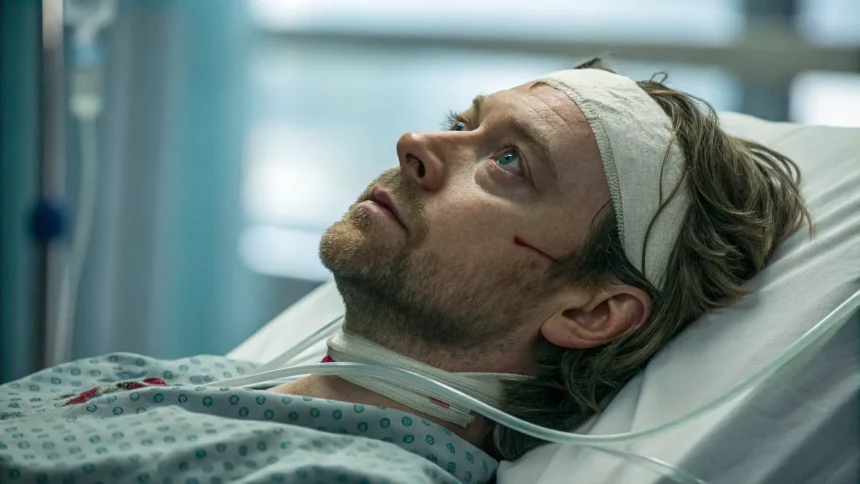
Hayes linked the fragments to a fall in 2025. That timing suggests a serious head injury with lingering effects. Skull fractures can send small pieces of bone into the cranial cavity. Doctors then watch for bleeding, swelling, and infection. Treatment can range from rest and medication to surgery, depending on the size and location of the fragments.
Hayes did not disclose whether surgery was required. He also did not specify current symptoms. The post focused on the shock of the finding and the long tail of recovery after a traumatic hit to the head.
A Career Marked By Highs And Hard Turns
Hayes rose to global fame in the late 1990s with Savage Garden, the duo behind hits like “Truly Madly Deeply” and “I Want You.” He later built a solo career, touring and releasing new music while speaking candidly about identity and mental health.
Public breaks in his career have often been followed by creative returns. Health, however, sets its own timetable. A head injury with bone fragments typically means weeks to months of monitoring and care. For a performer, that can affect touring, recording, and even the loud, bright environments of modern stages.
Medical Perspective On Skull Fragments
Neurosurgeons say skull fractures vary widely. Linear fractures can heal on their own. Depressed fractures, or those that push fragments inward, increase the risk of damage to brain tissue and blood vessels. Imaging scans, such as CT, are standard to locate bone pieces and check for bleeding.
Specialists add that symptoms can linger even after initial wounds close. Headaches, dizziness, memory lapses, and mood changes are common after serious head trauma. Care often includes rest, gradual activity, and follow-up scans. In some cases, physical or cognitive therapy helps patients regain balance and focus.
Why This Matters To Fans And Performers
Artists spend long stretches on the road, on stages with cables, risers, and dark wings where falls happen. When injuries occur, pressure to return quickly can clash with medical advice. Hayes’ disclosure shines a light on the hidden math of recovery: time, energy, and safety, weighed against the pull of work and audience expectations.
For many fans, health updates are more than celebrity news. They are reminders to take head injuries seriously. Even a fall that seems minor can cause delayed symptoms. Hayes’ stark language may prompt others to seek care after a hit to the head, instead of waiting it out.
Signs Of Serious Head Trauma
- Worsening headache or repeated vomiting
- Confusion, fainting, or seizures
- Weakness, numbness, or trouble speaking
- Clear fluid from the nose or ears
- Uneven pupils or vision changes
Doctors urge immediate evaluation if these signs appear after a fall.
The Road Ahead
Hayes’ update suggests ongoing monitoring. The phrase “fragments floating” hints at loose pieces that doctors would track over time. Those decisions are guided by imaging, symptoms, and risk of infection or bleeding.
The music community often rallies in moments like this. Schedules shift. Plans pause. If recovery proceeds without complications, a gradual return is common. If surgery or extended therapy is needed, timelines stretch.
For now, the headline is simple and serious: a beloved singer has shared a tough medical reality. The next chapters will be written by scans, rest, and careful steps forward. Fans should watch for updates on his condition, potential treatment decisions, and any changes to future performances. Health first. Everything else can wait.