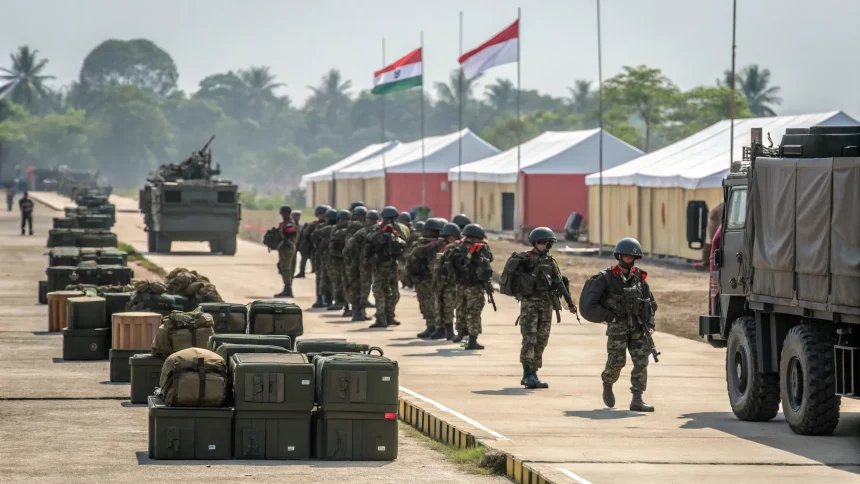
Indonesia signaled readiness to support relief and stability efforts in Gaza, saying it can deploy up to 8,000 troops for a potential humanitarian and peace mission if conditions allow. The announcement comes as fighting and a deepening crisis continue to strain aid access, raising questions about how and when such a force could be authorized and deployed.
The military’s statement points to a larger debate over international involvement in Gaza. Any deployment would likely need a United Nations mandate, consent from parties on the ground, and secure corridors through neighboring states. The timing remains uncertain, but the scale of Indonesia’s offer stands out in the current stage of the conflict.
Background And Context
Indonesia is the world’s largest Muslim-majority nation and has long supported Palestinian statehood. It does not have formal diplomatic ties with Israel. Indonesian civil groups funded a hospital in northern Gaza in past years, showing enduring public engagement with the issue.
Jakarta is also a steady contributor to UN peacekeeping operations, with personnel in Lebanon and other missions. That experience shapes its confidence in mounting large deployments. Yet Gaza presents a more complex setting, with active hostilities, damaged infrastructure, and contested control of territory.
“Indonesia’s military says it has up to 8,000 troops ready for a possible humanitarian and peace mission in Gaza.”
What A Mission Would Require
For any international force to enter Gaza, several steps are essential. Legal authority is the first hurdle. A UN Security Council resolution would likely be needed to define the mission, its tasks, and rules of engagement.
- Host-nation consent or an agreed cease-fire framework.
- Clear mandate for aid delivery, protection of civilians, and deconfliction.
- Access routes, likely through Egypt, with secure logistics hubs.
Israel’s security concerns and the positions of Palestinian factions would also shape the scope of any mission. Past proposals for international forces in Gaza have faltered over questions of neutrality, oversight, and long-term exit plans.
Humanitarian Needs And Capacity
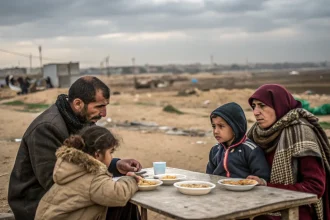
Humanitarian agencies report shortages of food, medicine, fuel, and clean water across Gaza. Damage to roads and border crossings has slowed convoys. A military-supported relief mission could offer logistics, engineering, and medical support to scale up aid delivery and protect distribution points.
Indonesia’s stated capacity suggests a combination of engineers, medics, and infantry for site security. The country’s peacekeeping history includes medical units and construction teams, which are often critical in early stabilization phases after intense fighting.
Regional And Diplomatic Dynamics
Egypt’s role would be central, since the Rafah crossing remains a key lifeline for supplies and personnel. Coordination with Cairo would be necessary for staging areas, customs, and movement control. Gulf states could be asked to fund operations, while the UN would manage overall command and oversight if a mandate is issued.
Major powers on the Security Council would have to agree on both the mission’s goals and its limits. Disagreements over cease-fire terms or monitoring mechanisms could delay approval. Diplomats have warned that launching a mission without broad buy-in risks mission creep and security incidents.
Risks, Timelines, And Scenarios
The security picture remains volatile. Any international contingent could face threats from airstrikes, unexploded ordnance, or armed groups skeptical of outside involvement. Force protection, intelligence-sharing, and strict movement controls would be essential.
Timelines depend on political breakthroughs. A cease-fire with clear enforcement terms would speed planning. Without it, a mission might start as a smaller, aid-focused effort, expanding if the ground situation stabilizes. Contingency planning would include evacuation routes and medical evacuation capacity.
What Comes Next
Indonesia’s offer adds momentum to calls for greater international action on relief and civilian protection. Whether it moves from intent to deployment hinges on diplomatic negotiations and security guarantees that do not yet exist.
If a UN mandate emerges, Jakarta could help anchor a multinational force, bringing logistics and medical strength along with troops. If talks stall, the focus may stay on bilateral aid, airlifts, and maritime deliveries, with limited on-the-ground protection.
For now, the message is clear: a large, experienced contributor stands ready. The next steps will be shaped by cease-fire talks, cross-border access, and a mandate that matches the scale of need while keeping personnel safe.