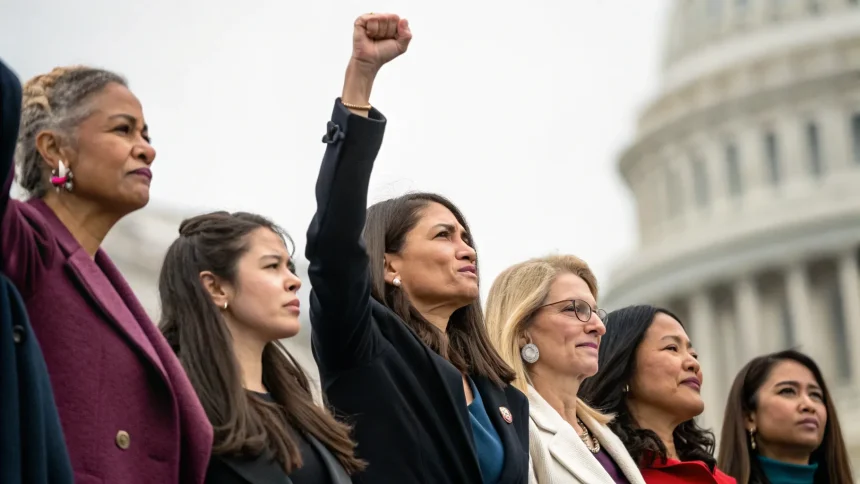
Eight women have gone public with a call for full transparency from the Trump administration, using a high-profile advert timed ahead of America’s most-watched TV event. The message, delivered as the country readies for a massive national audience, urges greater openness on government actions and ethics.
The ad brings renewed attention to ongoing debates over disclosure and accountability in Washington. It also raises the stakes by seeking a spotlight during a broadcast that draws tens of millions of viewers nationwide.
A Public Demand in a Prime-Time Moment
“Eight women call for full transparency from Trump administration in advert ahead of America’s most-watched TV event.”
The choice to place the appeal before the year’s biggest television audience signals a push to reach both supporters and critics at once. It suggests the group believes traditional channels have not delivered enough answers.
While the ad’s detailed demands were not specified, similar campaigns often seek access to records, clearer ethics standards, and stronger oversight. The timing places transparency at the center of a shared cultural moment.
Why Transparency Still Dominates U.S. Politics
Calls for government openness have grown in recent years. Advocates cite the public’s right to know how decisions are made and how public funds are used. They argue transparency builds trust and curbs waste and abuse.
Across administrations, disputes have centered on access to records, conflict-of-interest rules, and disclosures by senior officials. These issues shape public confidence and impact how institutions function.
What Transparency Often Includes
- Timely release of visitor logs and meeting records.
- Clear conflict-of-interest and ethics disclosures by senior officials.
- Public access to contracts, grants, and procurement decisions.
- Consistent reporting on policy outcomes and data behind decisions.
Reactions and Political Risks
Supporters of the women’s message say high-visibility appeals can spur action when other efforts stall. They see broad disclosure as a guardrail for democracy and a check on executive power.
Backers of the administration often respond that many such demands are partisan and burdensome. They argue that officials meet legal requirements and that some records must remain private for security or negotiation reasons.
The ad’s framing could mobilize voters who value ethics and accountability. It might also harden opposition among those who view the effort as political theater.
The Power of the Biggest Screen
America’s most-watched TV event offers unmatched reach. Advocacy groups have long used this moment to highlight social issues, from public health to civic participation. Even short messages can influence public debate when placed in front of such a large audience.
Advertising costs during the broadcast are high, which can lend a campaign added weight and media coverage. It also invites scrutiny over funding, goals, and follow-through.
What Comes Next
The women’s appeal may prompt officials, watchdogs, and civic groups to respond in the coming days. If the message gains traction, it could lead to renewed pushes for records, hearings, or policy updates on disclosure.
Measurable outcomes could include clearer reporting on meetings, procurement, or ethics compliance. The impact will depend on whether the message is sustained after the broadcast and whether institutions act.
For now, the ad has placed a simple demand in front of a massive audience: more sunlight on government conduct. The next test is whether that demand turns into concrete steps that the public can track and verify.