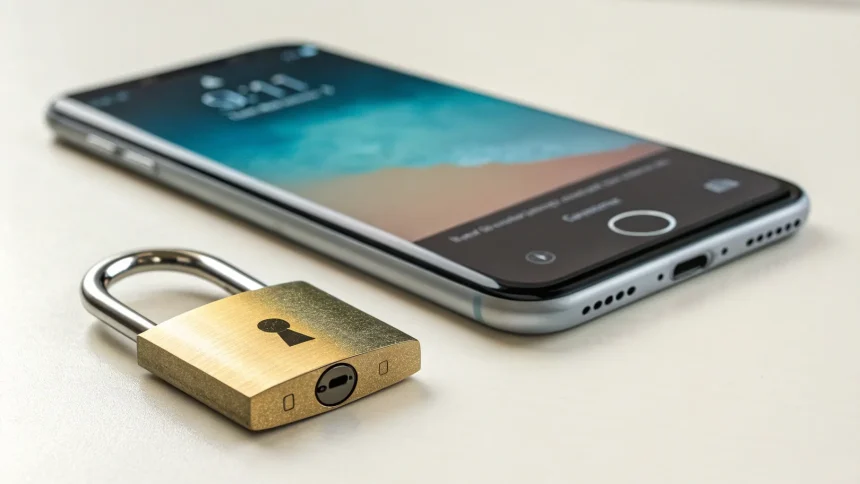
Apple’s most extreme security setting is back in the spotlight after it reportedly stopped U.S. federal authorities from accessing a reporter’s iPhone during an investigation. The incident, which drew swift interest from privacy advocates and police officials alike, highlights the growing clash between strong device security and lawful access demands.
Few details about the case are public. But the event signals how far phone security has come, and how it can reshape investigations, journalism, and personal safety. It also renews pressure on policy makers to address encryption standoffs that show no sign of fading.
What Lockdown Mode Does—and Why It Exists
Apple introduced Lockdown Mode in 2022 for high-risk users such as journalists, activists, and public figures. The feature reduces the attack surface by turning off common pathways used by advanced spyware.
- Blocks message attachments and link previews from strangers.
- Disables some web technologies, like complex fonts and just-in-time compilation.
- Limits FaceTime and incoming invites from unknown contacts.
- Restricts wired connections when the phone is locked.
- Prevents installation of configuration profiles.
Apple has framed the tool as a shield against mercenary spyware, including tools linked to surveillance campaigns. In recent years, reports tied software like Pegasus to infections of journalists’ phones worldwide. Apple later sued NSO Group in 2021 and notified targeted users across several countries. The company also raised its bug bounty to a maximum of $2 million for Lockdown Mode bypasses, signaling how seriously it takes these attacks.
The Incident That Sparked Debate
“Apple’s Lockdown Mode is gaining attention after it blocked U.S. federal authorities from accessing a reporter’s iPhone.”
Security experts say this result is consistent with the feature’s design. By narrowing features that can be exploited, Lockdown Mode can make both silent hacks and physical extraction harder. That effect is by design, not accident.
Privacy advocates argue the case shows the tool’s value for reporters and sources. Law enforcement officials counter that such protections can stall urgent probes. Both views reflect a long-running standoff over strong encryption and investigative needs.
The Bigger Picture: Encryption vs. Lawful Access
This friction is not new. U.S. officials have warned for years that device encryption can lock them out, even with a warrant. Tech companies say weakening defenses invites criminals and foreign spies to do harm at scale.
Courts and lawmakers have struggled to resolve the conflict. “Backdoors” risk spreading to bad actors. Workarounds, like exploiting software bugs, are costly and unreliable. The result is a steady reliance on targeted hacking tools and forensic services.
For journalists, the stakes are personal. Source protection rests on trust and secure tools. A single breach can expose contacts and stories. For police, stalled access can delay cases where time matters, including kidnapping or terror threats.
What This Means for Users and Investigators
The immediate takeaway is simple. If enabled, Lockdown Mode can raise the cost of intrusion and slow common access methods. It does not make devices invincible, but it narrows the path.
Investigators may respond by shifting tactics. That could include endpoint exploits, cloud data requests, and traditional surveillance. Each path has its own limits and oversight.
Users at higher risk—reporters, dissidents, election workers, and public officials—may see renewed reasons to turn the feature on. For everyday users, standard security hygiene still matters most: software updates, strong passcodes, and cautious links.
Trends to Watch
- More adoption of hardened modes on phones, laptops, and wearables.
- Rising investments in lawful hacking and forensics by governments.
- Stronger default settings that narrow risky features by design.
- Legal fights over encryption mandates at state and federal levels.
The latest incident puts a bright light on a quiet setting with large effects. It shows how a single toggle can tilt the balance between privacy and access. Expect more court fights, more engineering, and more hard questions about who gets in—and who stays out.
For now, Lockdown Mode did what it promised. The next chapter will test whether lawmakers, companies, and investigators can agree on rules that protect both safety and rights without opening the door to new risks.