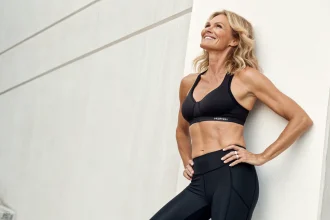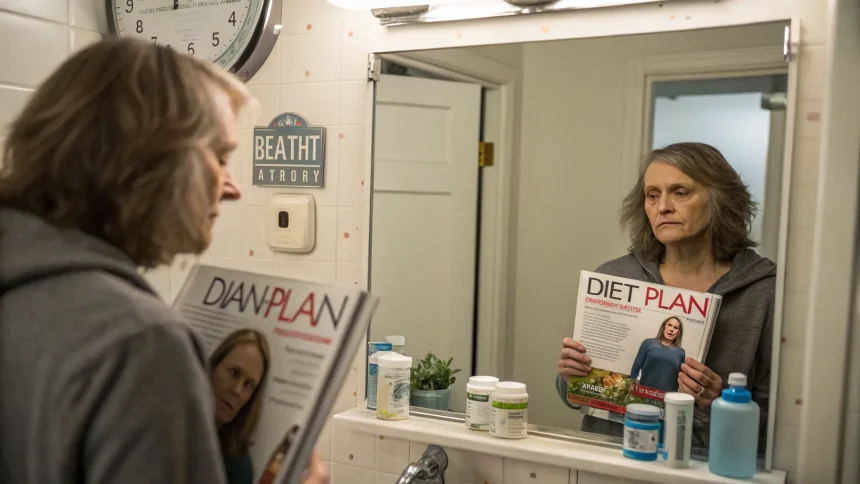
As the new year begins, diet plans surge and so do the pressures that come with them. Across social feeds and store shelves, quick fixes promise a new body by February. The core tension is simple: January drives diet trends, and with them, one-size-fits-all ideas about health that rarely fit anyone well.
“January is peak season for diet trends — and the consequences of cookie-cutter stereotypes.”
That line sums up a yearly cycle. It starts with fresh goals and ends, for many, in frustration. The stakes are real: health, money, and self-worth are on the line.
Why January Becomes Diet Month
Search interest for “diet” jumps sharply in early January, according to long-running Google Trends patterns. Gyms report sign-ups spiking in the first weeks of the year. Meal-replacement products pile up in shopping carts. The weight-loss market, estimated in the tens of billions of dollars in the U.S., counts on this rush.
Experts say timing is key. Holidays bring rich food and less sleep. Resolutions create a clear start date. Marketers know it and flood screens with before-and-after photos and 30-day promises.
The Cost of Stereotypes
Cookie-cutter health rules sound simple: eat this, avoid that, hit 10,000 steps, drop 15 pounds. But bodies vary by age, culture, income, medication, and disability. So do schedules and stress. When the plan fails, people often blame themselves, not the plan.
Clinicians warn that rigid diet scripts can fuel binge-restrict cycles and shame. People in larger bodies face bias at work and in clinics, where weight is too often treated as the only measure that matters. Communities of color, shift workers, and caregivers may have less access to safe spaces to exercise or fresh food, making “willpower” advice ring hollow.
Even algorithms can nudge harm. After a few clicks on diet content, feeds may serve more extreme tips. That can blur into disordered eating signals, especially for teens.
What Actually Helps
Public health research favors small, steady changes over crash diets. That includes more fiber, less ultra-processed snacks, better sleep, and regular movement that fits a person’s day. Programs that pair nutrition guidance with social support tend to last longer.
- Focus on patterns, not perfection.
- Build meals around plants, protein, and whole grains.
- Schedule movement you enjoy and can keep.
- Track how you feel, not only your weight.
Primary care teams report better outcomes when they screen for food insecurity, depression, and chronic pain, then tailor goals. That moves the plan from “cookie-cutter” to personal and realistic.
Industry Responses and Gaps
Some gyms now offer beginner classes and rest-day coaching to reduce burnout by February. App makers pitch habit stacking and daily check-ins instead of rapid drops on the scale. A few brands partner with registered dietitians and highlight cultural foods instead of rigid meal plans.
Yet the January blitz still favors quick wins. Subscription programs often see high churn by March. Consumer advocates call for clearer disclosures on results and refund terms. Clinicians urge platforms to flag extreme claims and direct users to evidence-based help.
Different Bodies, Different Needs
Weight-loss drugs entered the mainstream last year and changed the conversation for some patients with obesity and related conditions. Access, cost, and long-term data remain concerns. Athletes returning from injury need fueling plans that protect healing tissue. Menopause shifts metabolism and sleep, changing how plans should look. People on insulin or other medications must avoid diet swings that can be risky.
These cases show why context matters more than a calendar date. A plan that ignores health history or daily constraints is likely to fail.
What To Watch Next
Regulators have stepped up pressure on deceptive weight-loss ads. Social platforms are testing labels for altered images. Employers are adding sleep and stress programs to wellness benefits, not just step challenges.
Researchers are tracking which habits still stick by June, not just January. Early signs point to plans that cut friction: simpler grocery lists, shorter workouts, and social accountability.
The message is clear. New Year urgency sells, but health changes stick when they fit real lives. As another January surge fades, the smart move is slow, personal, and kind. The result may not trend, but it lasts.