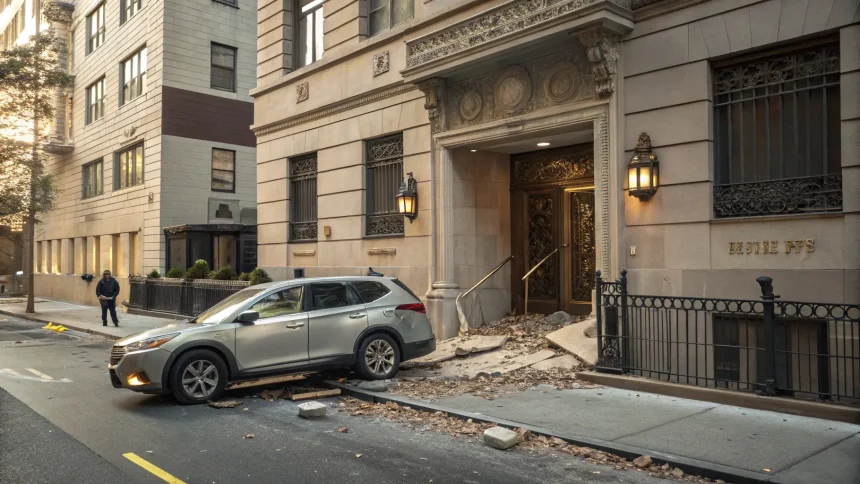
A man was arrested after driving into the Chabad Lubavitch world headquarters in New York City, an event that rattled a community that draws visitors from across the globe. The individual had recently formed ties with Hasidic residents and attended a gathering at the site earlier this month, according to a statement describing his connection.
The crash occurred in Brooklyn’s Crown Heights, home to Chabad’s central synagogue and offices, a magnet for worshippers and guests. The incident raised fresh concerns about safety at houses of worship and the delicate balance between openness and security.
A Rare Breach at a Global Center
Chabad’s headquarters, often called “770” for its street number, serves as a spiritual and administrative hub. It is a place of prayer, study, and constant foot traffic. For decades, visitors have arrived from around the world to participate in services, mark holidays, and seek guidance.
Any breach on its steps carries weight well beyond the block. The building holds historic significance for Hasidic Jews and remains a symbol of continuity. The episode stirred memories of past threats faced by Jewish institutions and renewed calls to review protective measures.
What Witnesses Say
“A man arrested after crashing his car into the Chabad Lubavitch world headquarters in New York City had recently connected with the Hasidic community and this month attended an event at the revered Jewish site.”
The description of the man’s recent presence inside the community complicates the picture. It suggests he was not a total stranger and had at least some interaction with local members before the crash. That detail is likely to shape both the investigation and community discussions in the days ahead.
Security Concerns and Community Response
Leaders of synagogues in New York and elsewhere have spent years upgrading security, often with government grants and volunteer patrols. Many houses of worship aim to remain welcoming while adding cameras, controlled access points, and training for staff and congregants.
Jewish organizations have pointed to a rise in threats and harassment. The Anti-Defamation League reported record U.S. antisemitic incidents in 2023, citing thousands of cases of harassment, vandalism, and assault. While the motive in this crash was not immediately clear, the broader climate heightens sensitivities.
Why This Site Matters
The headquarters is more than a local synagogue. It is a nerve center for a movement known for outreach, education, and social services. Visitors come to study, celebrate milestones, and connect with a global network of emissaries.
That openness is part of its identity. It also creates challenges for security planning, especially during holidays and large events. Balancing hospitality with safety remains an ongoing task.
What Investigators Will Look For
Authorities typically examine several threads after a crash at a sensitive location. They seek to determine intent, mental health history, substance use, and any prior contact with the community. Vehicle condition and speed at impact also matter.
- Whether there was intent or negligence.
- Any prior encounters with staff or congregants.
- Social media activity or statements.
- Possible mechanical failures.
The note that the man had “recently connected” with the community may lead to interviews with event organizers and attendees who saw him. Timelines from those interactions could offer clues about his state of mind.
Broader Implications
Incidents at religious sites can ripple far beyond a single neighborhood. They prompt security drills, funding requests, and conversations about community relations. They also affect attendance, especially among families weighing safety against routine worship.
Experts say clear communication after such events helps restore confidence. That includes updates from officials, support for those who witnessed the crash, and visible steps to prevent a repeat. Transparency often calms nerves faster than silence.
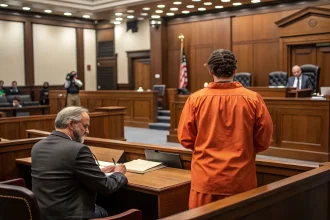
The arrest marks the start of a legal process that may take time to resolve. For now, the focus is on fact-finding and reassurance. Community members will look for answers about intent and safety, while investigators map out what happened and why. As more details emerge, watch for adjustments to security at “770” and across other houses of worship, and for renewed efforts to keep public spaces open yet secure.