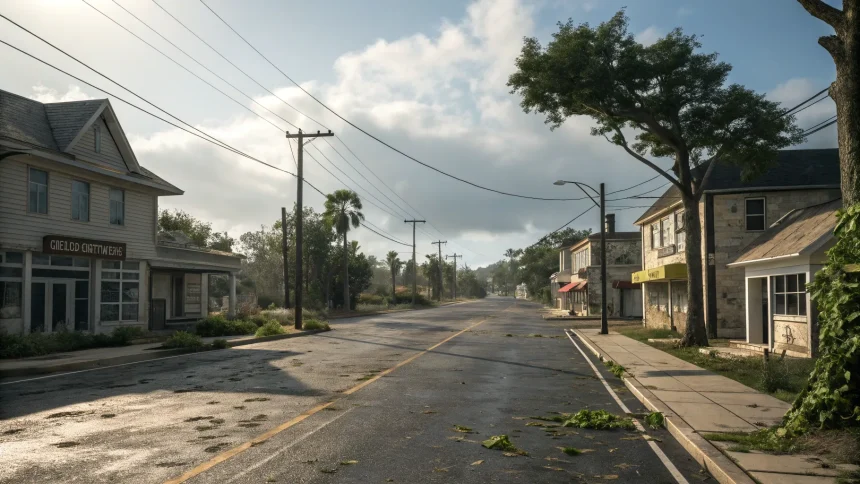
Days after Storm Goretti swept through the region, internet service remains down in parts of rural Cornwall, disrupting homes, farms, and small businesses that rely on stable connections. Residents report patchy coverage and long waits for updates as providers assess damage and crews work in hard-to-reach areas.
Fallen trees, flooded lanes, and damaged lines have slowed repairs across scattered communities. The outage has raised questions about the durability of rural networks and the speed of emergency response during extreme weather.
“People are still without internet in some of Cornwall’s rural areas after Storm Goretti.”
Why Connectivity Matters in Rural Cornwall
Rural Cornwall has long faced uneven broadband access. Many households use a mix of copper, fiber-to-the-cabinet, fixed wireless, and mobile hotspots to get online. When storms knock out one link, backup options are limited.
For local businesses, connectivity is not a luxury. Tourism operators handle bookings online. Fishers, farmers, and craftspeople sell through digital platforms. Schoolwork and routine health appointments also depend on internet access.
During a storm response, internet links help residents access flood maps, power outage updates, and insurance claims portals. When those links fail, people turn to phone lines or travel to town centers with public Wi-Fi, if roads are open.
What Damage Crews Are Seeing
Early reports point to downed poles, damaged roadside cabinets, and power interruptions that cascade into network failures. Rural routes complicate the work. Narrow lanes and debris make it hard to bring in bucket trucks and fiber splicing gear.
Providers often schedule repairs in stages. First come safety checks and power restoration. Then engineers test backhaul links, replace damaged segments, and bring customers back online in batches. That process can take time where there are long stretches between properties.
Voices From Affected Communities
Residents describe a mix of frustration and patience. Some have seen partial restoration, only to lose service again when another line fails. Others rely on mobile data, but signal strength drops during heavy use or power cuts at cell sites.
Small business owners say the outage has halted card payments and online orders. One shopkeeper reported switching to cash only and logging sales by hand. Home workers have commuted to friends’ houses or community hubs with service.
Local volunteers say the lack of connectivity makes it harder to check on isolated neighbors. They are using door-to-door visits and printed notices while waiting for updates.
Provider Response and Repair Timelines
Network companies typically prioritize areas with critical services, such as clinics, care homes, and emergency depots. Rural hamlets often fall next in line once power is stable and roads are cleared. Weather windows also affect work, as high winds delay climbing and lift operations.
Engineers expect to swap damaged copper with new runs and replace blown fiber splices. In some spots, temporary microwave or mobile units can restore service while permanent fixes are installed. Where poles are broken, joint teams coordinate to reset power and telecom lines.
Resilience and What Could Change
Each storm renews debate over how to harden networks. Options include burying more cable, adding backup power at cabinets and masts, and expanding community fiber schemes. Costs are high, but outages carry their own price in lost trade and public safety risk.
Local councils and rural groups have pushed for faster build-out of full-fiber lines. They argue that direct fiber to homes is less vulnerable than aging copper, especially over long runs. Mobile operators are also testing stronger mast designs and better battery backup.
- Map vulnerable routes with repeat storm damage.
- Add backup power for key cabinets and masts.
- Improve rural emergency Wi-Fi hubs for outages.
What Residents Can Do Now
People waiting for service can check status pages when mobile data allows and report line damage with precise locations. If safe, taking photos of fallen lines or broken cabinets helps crews plan. Community halls with working connections can act as shared workspaces for students and home workers.
Businesses can switch to offline card readers that sync later, keep paper logs, and post clear customer notices. Households should have a plan for receiving alerts through radio and text, in case internet and power fail together.
As crews continue repairs, the focus is on restoring stable service to the last pockets still cut off. The outage has exposed weak points in rural networks and revived calls for stronger infrastructure. The next weeks will show whether temporary fixes hold and whether longer-term upgrades follow. Residents and businesses will be watching for clearer timelines, better backup systems, and faster recovery after the next storm.